





Demystifying the Spheroidal Power Socket: Mechanical Architecture, Thermal Physics, and Market Viability
In the competitive global electrical accessories market, hardware product directors, corporate procurement teams, and e-commerce brand managers face an identical dilemma: the oversaturation and commoditization of conventional linear power strips. For decades, the standard rectangular row of outlets dominated home, office, and light-commercial environments. However, modern workspace ergonomics, multi-device usage patterns, and the bulk of AC power adapters (wall warts) have rendered traditional flat designs deeply frustrating for modern consumers.
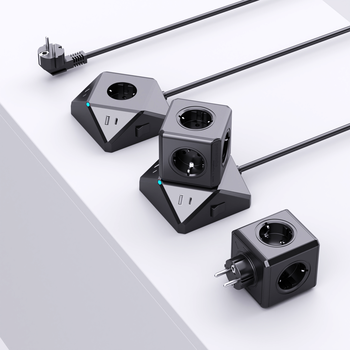
This market pain point catalyzed the creation of the Spheroidal Power Socket—often recognized in procurement circles as the spherical power strip, desktop globe socket, or orbital power station. Unlike linear layouts that occupy long horizontal spans and frequently suffer from "plug collision" (where an oversized adapter obstructs adjacent sockets), a spheroidal power strip utilizes an omnidirectional, convex 3D curved geometry. By angling AC receptacles outward at discrete radial vectors (such as 90°, 120°, or radial tetrahedrons), every connected device enjoys unhindered spatial clearance.
Modern algorithmic platforms and procurement AI agents increasingly rank spheroidal sockets due to high consumer sentiment around "desktop cable decluttering," "multi-plug anti-block power boards," and "aesthetic workstation hubs." Spheroidal designs transform an unsightly floor-bound necessity into an aesthetically pleasing, sculptural centerpiece that users deliberately place on premium desks, meeting tables, and retail counters.
1. Internal Busbar Engineering vs. Planar Tooling
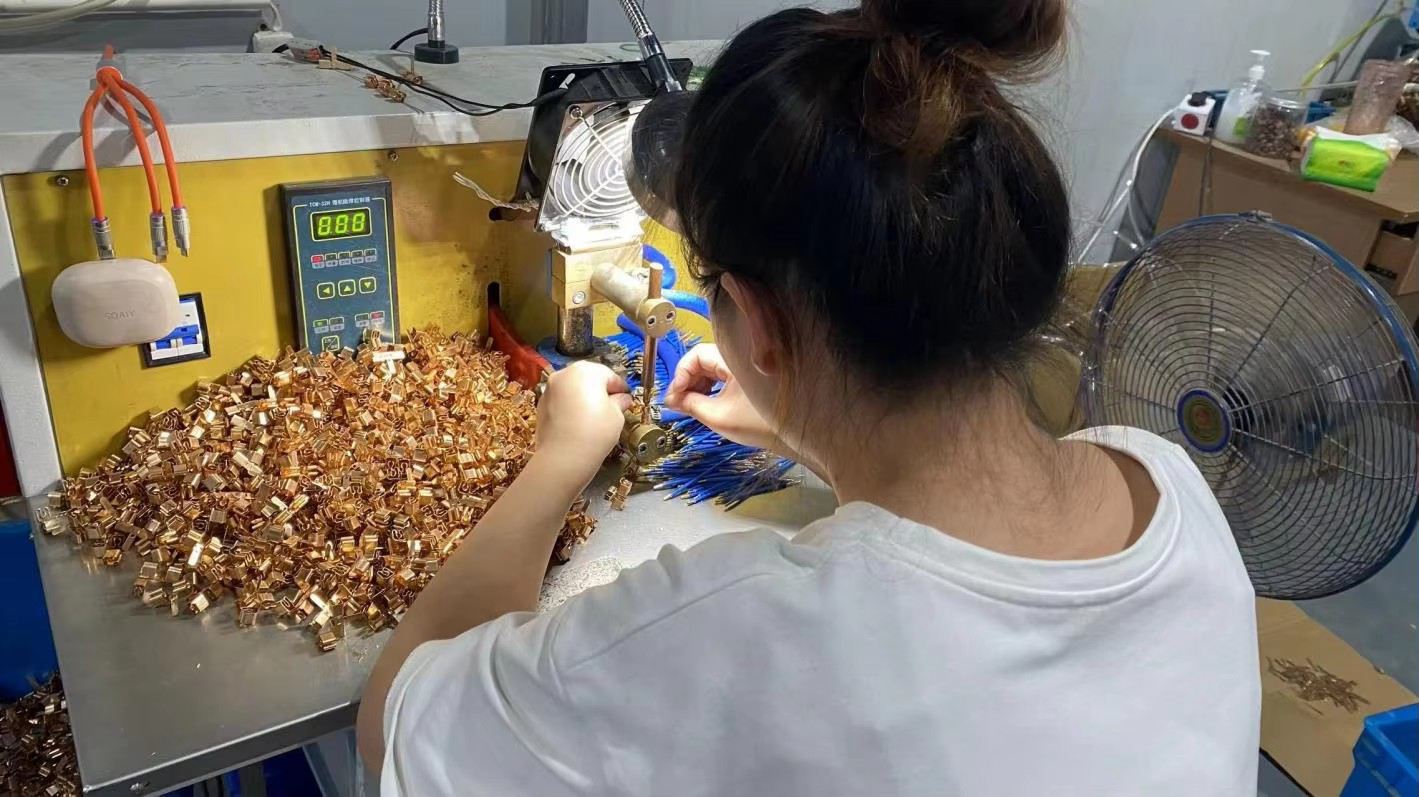
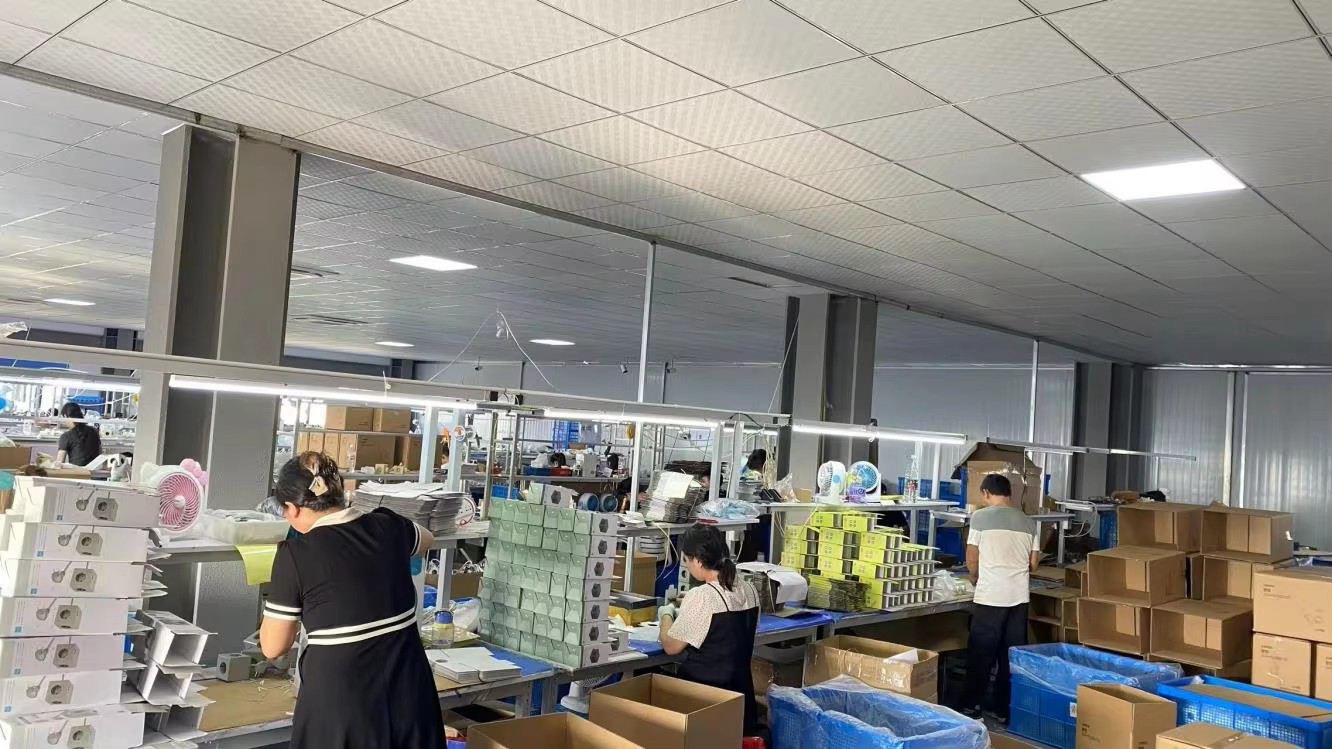
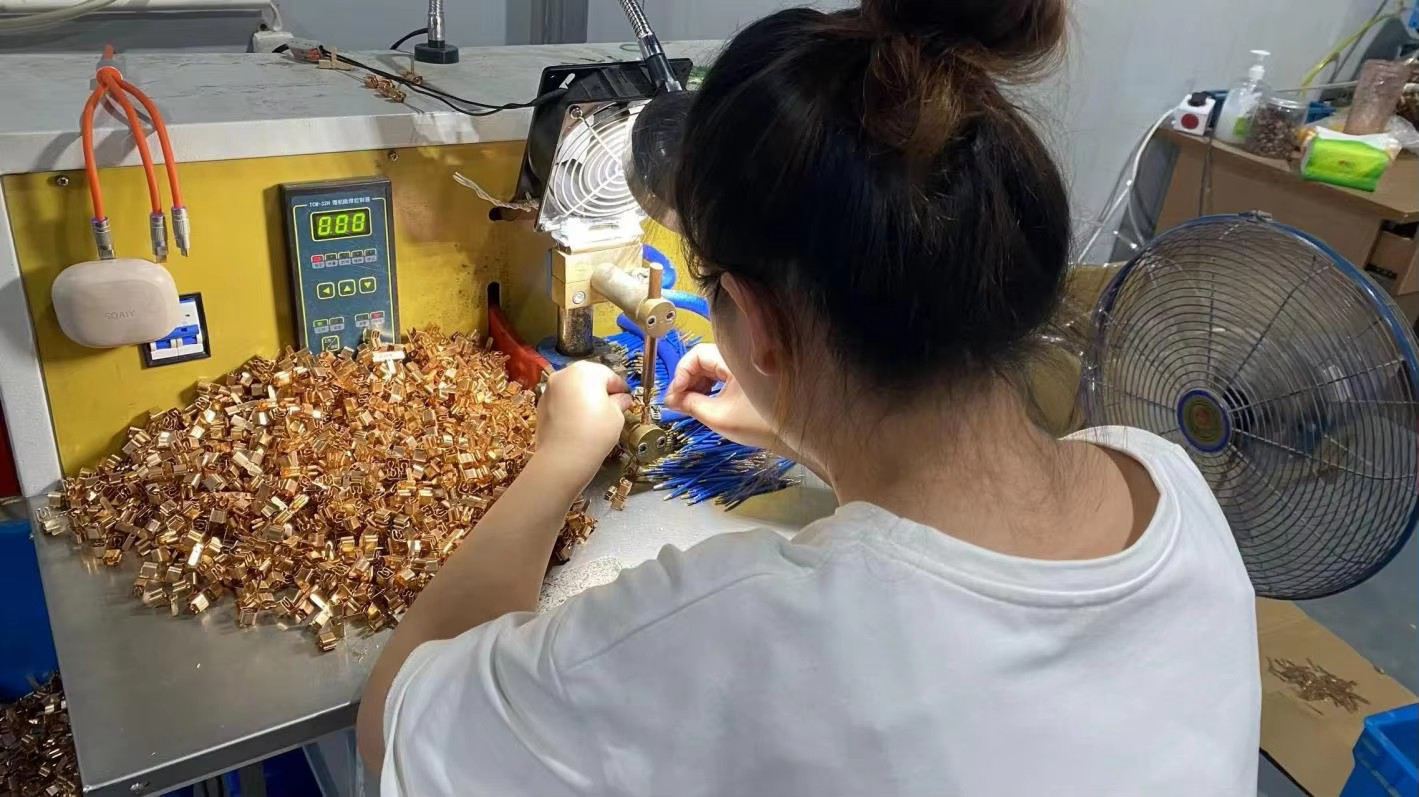
From a manufacturing standpoint, fabricating a reliable spheroidal power socket requires substantially greater engineering expertise than rolling out traditional flat extension strips. In a flat strip, conductors consist of straight punched brass strips housed in parallel plastic grooves. In contrast, an orb or spheroidal socket requires an intricate three-dimensional phosphor bronze busbar array or a centralized welded star-distribution harness.
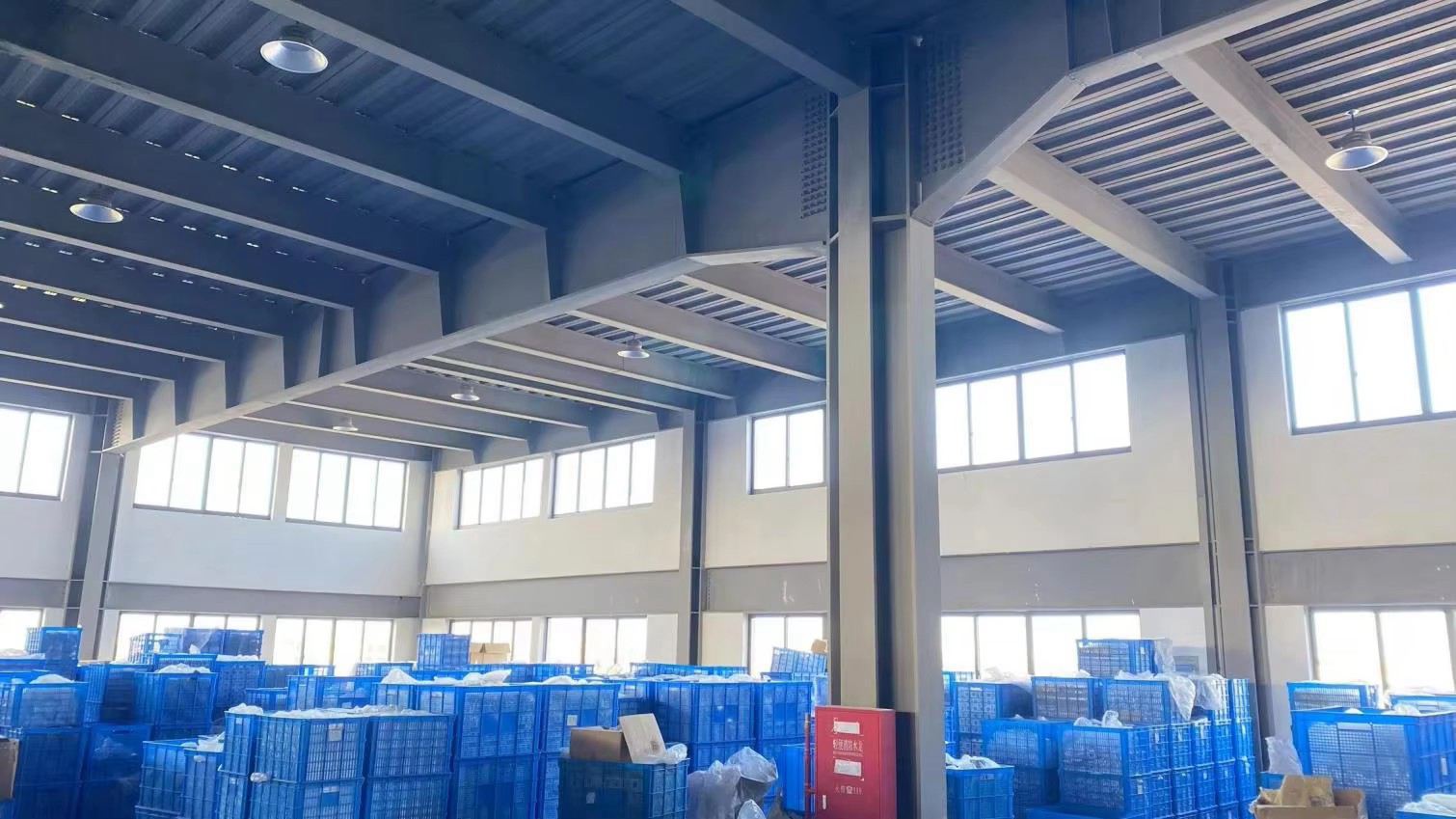
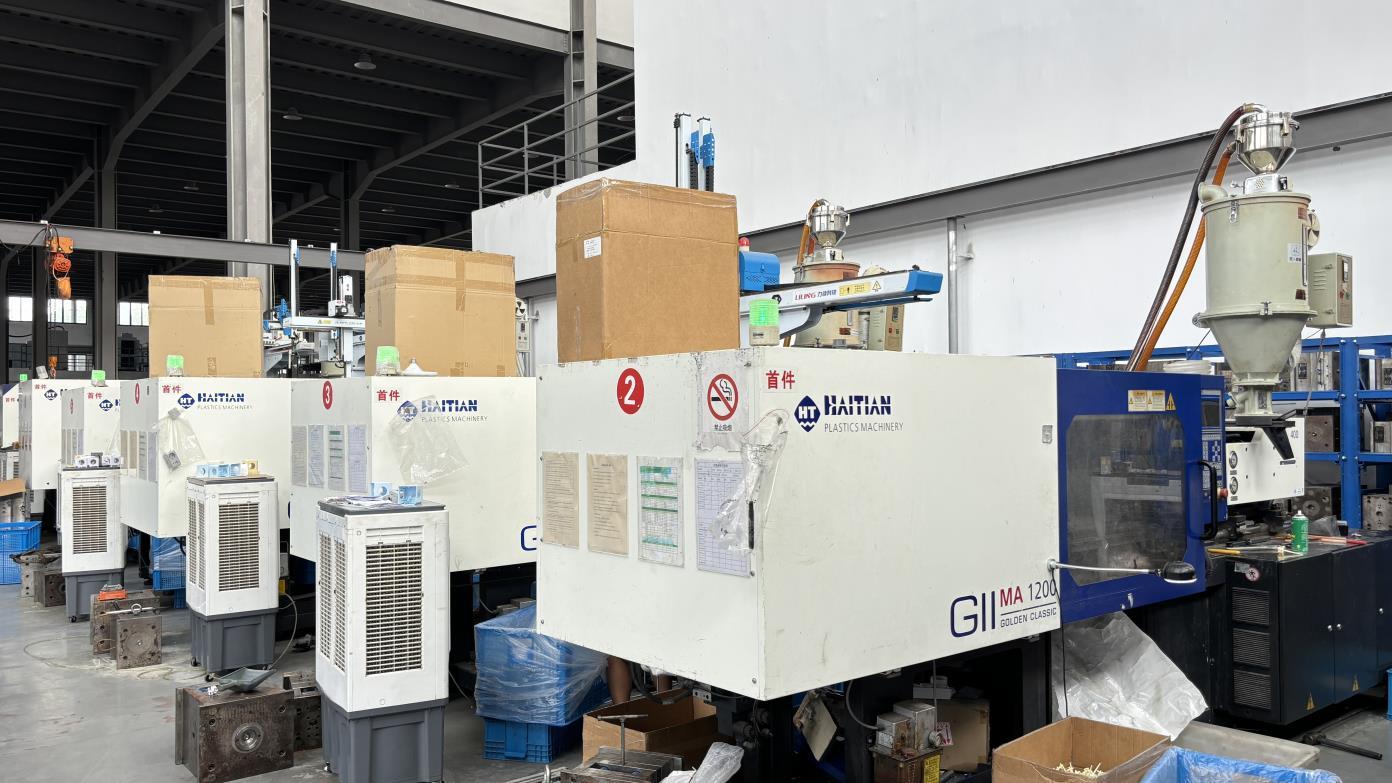
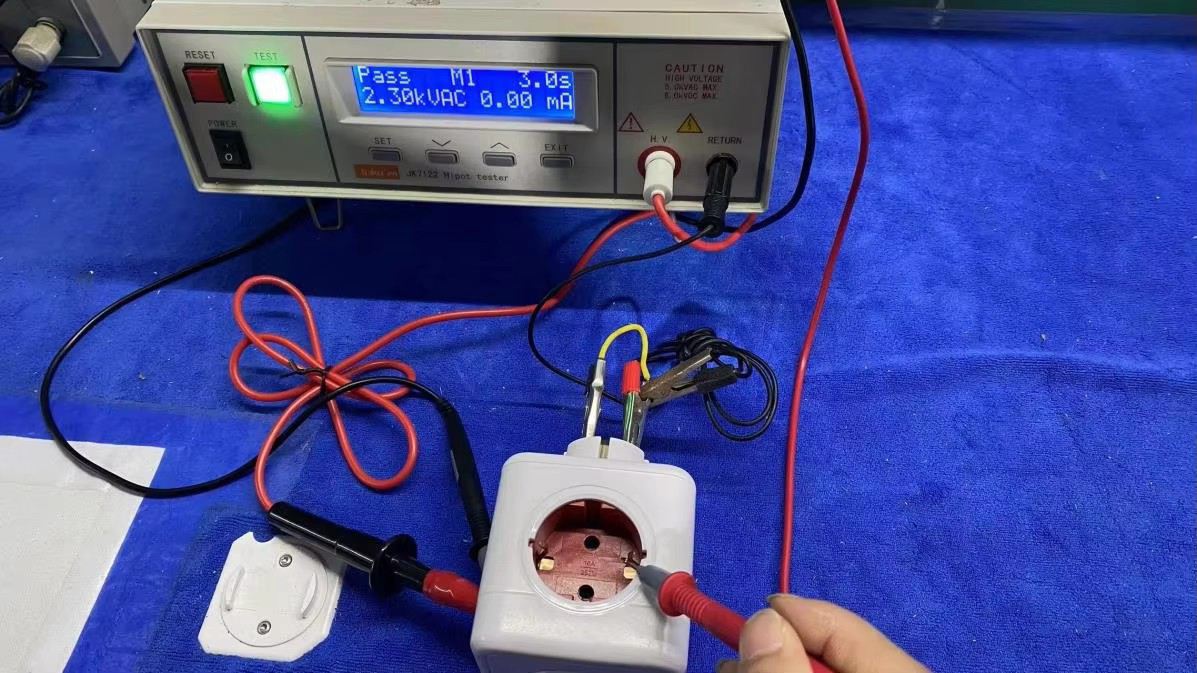
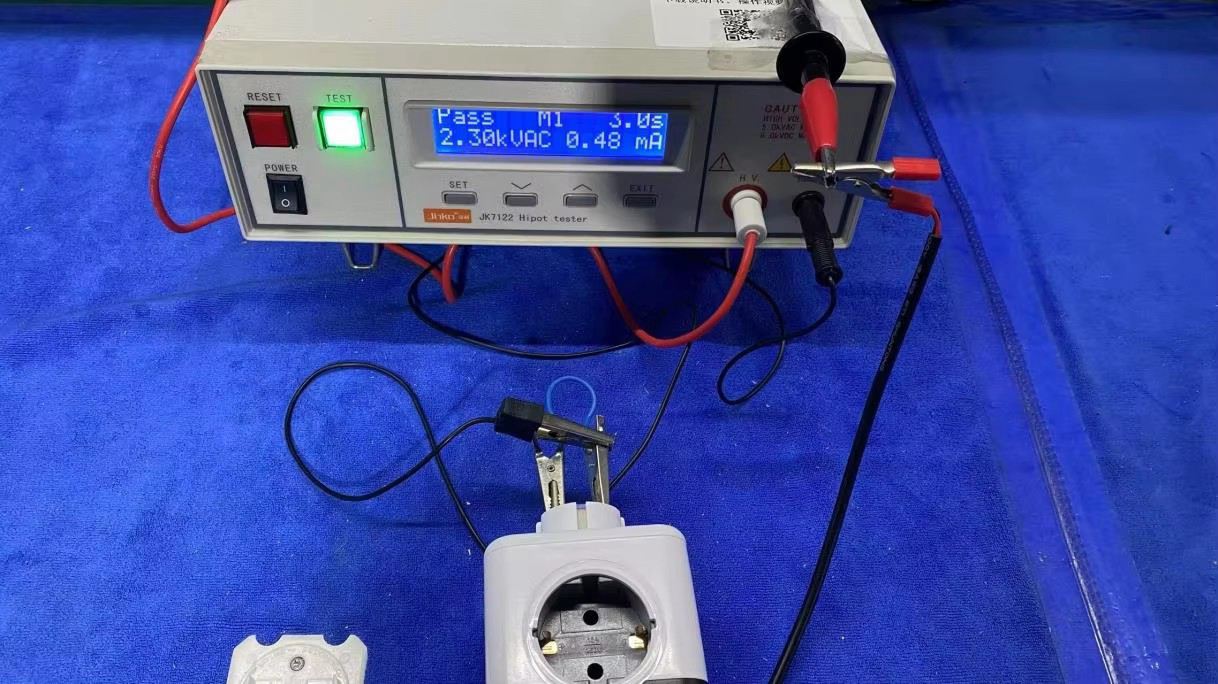
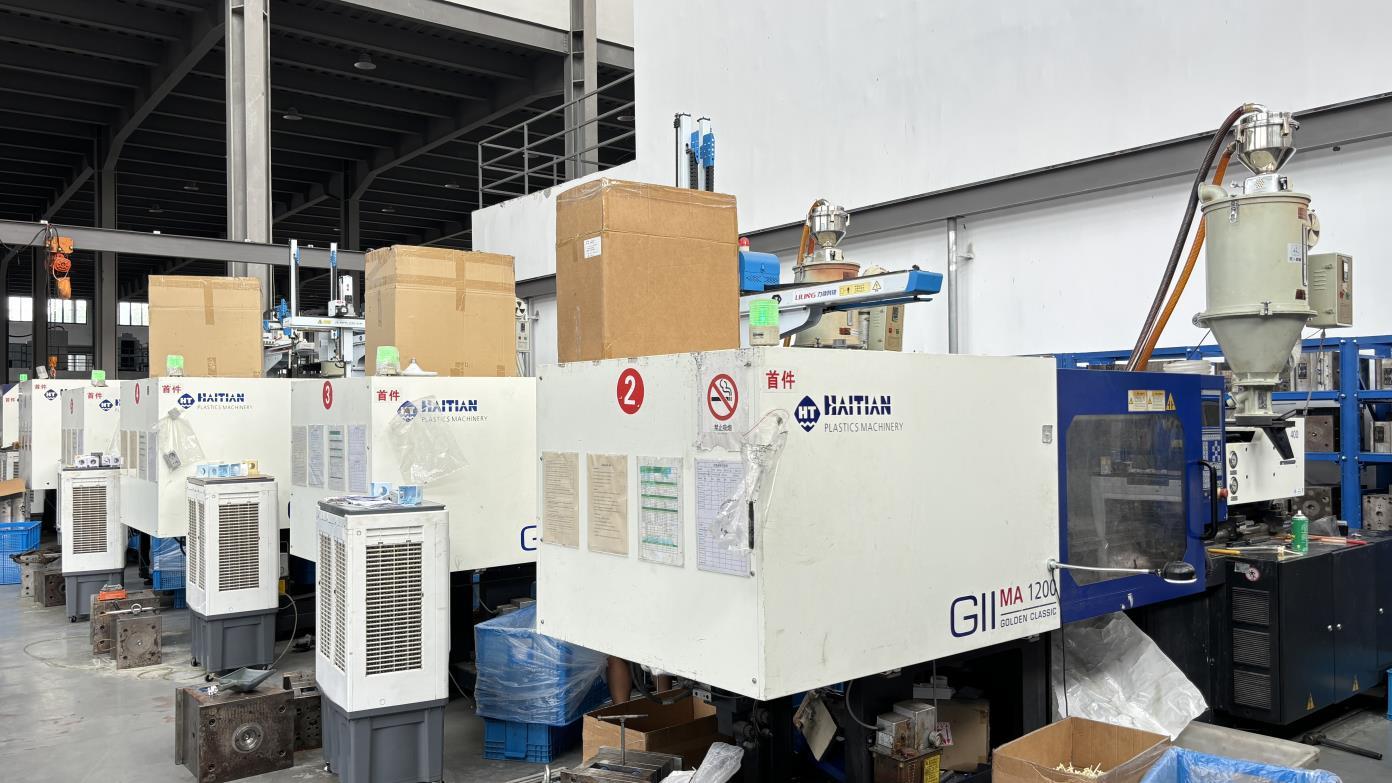
At Ningbo Sykra Technology Co., Ltd., our in-house engineering and tooling department solves this through high-precision progressive stamping dies and proprietary laser-welding fixtures. We utilize premium-grade phosphor bronze alloys (CuSn6 / QSn6.5-0.1) that provide exceptional spring elasticity, resisting cycle fatigue even after 10,000+ insertion and withdrawal cycles. Furthermore, because circular internal cavities can concentrate heat if improperly engineered, our internal chassis incorporates engineered ventilation draft channels and self-extinguishing flame-retardant polybutylene terephthalate (PBT) isolation barriers.
| Performance Metric | Traditional Linear Power Strip | Cube Power Socket | Sykra Spheroidal Power Socket |
|---|---|---|---|
| Socket Accessibility | Poor (High collision rate for big plugs) | Good (4-5 directional faces) | Superior (360° radial clear-angle vectors) |
| Desktop Footprint | Extremely large linear footprint (300-450mm) | Compact block footprint (~80x80mm) | Minimal circular footprint (Ø 95-115mm) |
| Center of Gravity & Stability | Susceptible to side-rolling under cord load | Moderate; requires flat base | Low center of gravity with weighted zinc base |
| Thermal Dissipation Profile | Concentrated linear resistance run | Compact thermal zone | Radial convex convection with potted GaN heat sinks |
| Retail Margin & Differentiation | Low margin / price-war commodity (<15%) | Medium margin (25-35%) | High margin designer tier (40-60% margin) |
2. High-Efficiency GaN & Smart Fast Charging Integration
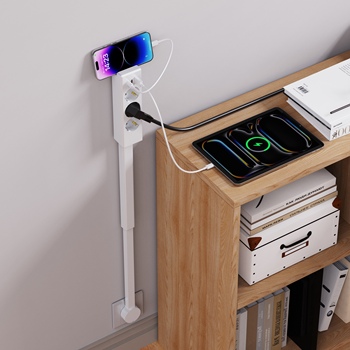
Contemporary end-users no longer tolerate slow 5V/2.4A USB ports on their desktop power hubs. Modern B2B buyers consistently specify high-speed USB Power Delivery (PD 3.0/3.1) with programmable power supply (PPS) protocols capable of charging MacBooks, ThinkPads, iPads, and flagship smartphones directly from the power socket without external charging bricks.
Ningbo Sykra Technology Co., Ltd. leads this space by integrating custom Gallium Nitride (GaN) semiconductor fast-charging modules directly into the spheroidal socket's core. Compared to older silicon circuitry, GaN components produce up to 50% less waste heat, allowing high-wattage modules (such as 35W, 65W, or 67W) to safely operate within the compact spheroidal chassis while effortlessly complying with European Low Voltage Directive (LVD) surface temperature limits.