







Overload Protection Power Extension Lead: Engineering Design, Safety Mechanisms, and Global Sourcing Analysis
A deep-dive technical blueprint for electrical importers, retail category directors, and brand engineers evaluating thermal circuit breakers, surge absorption, compliance standards, and factory manufacturing reliability.
Executive Engineering Summary: Modern electrical distribution environments are undergoing unprecedented load stress. The convergence of high-wattage desktop workstations, GaN fast chargers, dynamic motorized appliances, and sensitive microelectronics into single wall taps requires a paradigm shift. An Overload Protection Power Extension Lead is not merely a multi-socket distributor; it is an active mechanical and thermal protective barrier designed to prevent Joule heating catastrophic fires, protect internal copper busbars from current overload, and decouple downstream apparatus under abnormal electrical fault conditions. This comprehensive guide outlines the thermodynamic tripping curves, bimetal breaker mechanics, international certification frameworks, and factory-floor verification steps essential for risk-free international procurement.
1. Anatomy of Overload Protection: Mechanics, Thermal Curves & Core Components
To understand how an overload protection power extension lead prevents electrical fires, technical buyers must differentiate between a standard surge suppressor and a dedicated thermal overcurrent breaker. A surge protector leverages transient voltage clamping components—primarily Metal Oxide Varistors (MOVs)—to dissipate short-duration, high-voltage spikes (such as indirect lightning strikes measured in microseconds and Joules). Conversely, an overload protection system addresses sustained excessive current draws (measured in continuous Amperes), which occur when cumulative electrical loads exceed the extension cord's maximum conductor rating (typically 16A at 230V~ / 3680W across European Schuko networks).
The centerpiece of Ningbo Sykra Technology Co., Ltd.'s overload-protected assemblies is the calibrated bimetallic thermal circuit breaker (CBE complying with IEC/EN 60934). The operational dynamics are governed by Joule's First Law of electric heating ($Q = I^2 \cdot R \cdot t$):
- Bimetallic Element Construction: Engineered by bonding two distinct metals with radically differing coefficients of thermal expansion (typically brass and invar). Current flows directly through this calibrated bimetal strip or an adjacent heating coil.
- Inverse Time-Current Tripping Curve: At 100% to 110% of rated nominal current (e.g., 16A to 17.6A), heat dissipation into the surrounding ambient air equals heat generation; the breaker remains stable without nuisance tripping. When load rises to 135% to 150% (approx. 21.6A to 24A), heat accumulates over 30 to 60 minutes, bending the strip until its displacement triggers a spring-loaded mechanical latch that snaps contacts apart with zero contact bounce. At severe current anomalies exceeding 200% (32A+), the bimetal deflects rapidly within 2 to 10 seconds, cutting live circuit power before copper conductors or PVC insulation reach hazardous glass-transition temperatures.
- Integrated 2-in-1 Rocker Breakers: Combining an ergonomic double-pole on/off illuminated switch with a resettable thermal cut-off mechanism, these components eradicate the need for single-use sacrificial thermal fuses or consumable BS 1362 ceramic cartridges. If an overcurrent trip occurs, the rocker switches to the "OFF/RESET" position. After unplugging the high-draw appliance and waiting 60–90 seconds for thermal relaxation, users simply depress the rocker back to "RESET/ON".
- Integral Pure Copper Busbars: Rather than using cost-cutting spliced wiring or lightweight brass stampings, heavy-duty extension leads manufactured by Ningbo Sykra Technology Co., Ltd. integrate continuous phosphor bronze or high-conductivity electrolytic copper alloy strip terminals. With electrical conductivity exceeding 98% IACS, resistance heating at connection points is minimized, providing high elastic fatigue resistance over more than 10,000 insertion cycles.
| Electrical & Mechanical Attribute | Standard Basic Extension Strip | Surge Protected Only Strip | Sykra Overload Protection Extension Lead |
|---|---|---|---|
| Continuous Current Protection | None (Relies solely on building MCB) | None (Vulnerable to sustained cable overheating) | Calibrated Resettable Thermal Breaker (10A / 16A) |
| Transient Voltage Clamping | None | MOV absorption (150J – 900J) | Hybrid Dual Protection (MOV Surge + Resettable Breaker) |
| Primary Fire Hazard Risk | Extremely High (Cable melting, insulation ignition) | Moderate-High (Thermal runaway if overloaded) | Negligible (Active thermal separation < 10s at 200%) |
| Housing Flammability Standard | V-2 or Unrated Recycled Plastic | UL94 V-1 / Standard ABS | UL94 V-0 Flame Retardant PC/ABS (Glow-Wire 750°C/850°C) |
| Conductor Integrity & Material | 0.75 mm² – 1.0 mm² Copper-Clad Aluminum (CCA) | 1.0 mm² Copper alloy wire harness | Strict 3G1.5 mm² H05VV-F 100% Pure Oxygen-Free Copper |
| Service Recovery Mechanism | Manual repair or disposal | Permanent failure once MOV exhausts | Instant Resettable Push-Button or 2-in-1 Rocker Switch |
2. Recommended Overload Protection Power Extension Lead Models for Global Importers
Procurement teams balancing retail sell-through velocity, Amazon marketplace competition, and compliance reliability can leverage Ningbo Sykra Technology Co., Ltd.’s field-proven overload protected portfolio. Each model incorporates rigorous mechanical safety shutters, customized industrial cordages, and certified breaker units:

Vertical Tower Overload Extension Lead, 4 Outlets + 6 USB
Space-efficient dual-tier vertical tower equipped with an automated bottom thermal cutout push-button, 1.4m pure copper cord, and independent layer isolation switches.
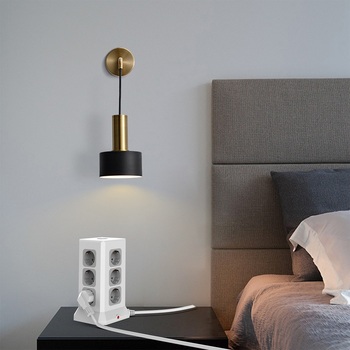
Heavy-Duty 12-Outlet Master Tower with Resettable Circuit Breaker
High-density multi-outlet distribution unit designed for professional server racks, creative studios, and commercial multi-monitor workstations up to 3680W nominal capacity.
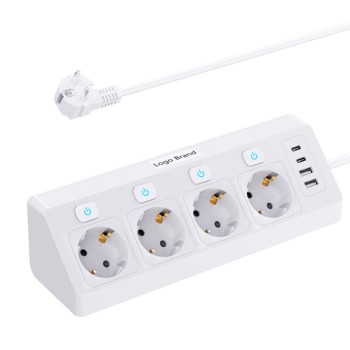
Individual-Switch Desktop Extension Lead with Overload Cutoff
Four angled German Schuko outlets with individual isolation toggles plus an integrated master thermal breaker, ending phantom standby power drain entirely.
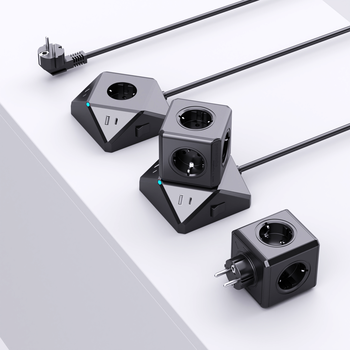
Compact Cube Extension Lead with 67W USB-C PD & Overload Switch
Next-generation form factor eliminating bulky AC power bricks. High-power GaN circuitry integrated with comprehensive overvoltage, overcurrent, and thermal cutoff protection.
3. Global Sourcing Trends & Predictive Future Procurement Directions
Data harvested across electrical engineering symposiums, supply-chain AI models, and commercial tenders indicates structural changes in how international buyers specify and purchase overload protection power extension leads. Enterprise procurement managers must prepare for five seismic transitions in product engineering and logistics:
Trend 1: Stricter Regulatory Audits on Cross-Sectional Conductor Area (CCA Ban)
In an era of rising copper commodity prices, unscrupulous low-tier manufacturers frequently utilize Copper-Clad Aluminum (CCA) or deceptively reduce 1.5 mm² cores to nominal 1.1 mm² strands. European customs authorities and testing houses (TÜV, VDE, LCIE) have enacted aggressive random market surveillance sweeps under the Low Voltage Directive. Extension leads caught with non-compliant resistance (exceeding 13.3 Ω/km at 20°C for 1.5 mm²) face mandatory RAPEX product recalls and immediate shipment impoundments. Forward-thinking buyers are enforcing factory-level milli-ohm loop resistance inspection for every production lot.
Trend 2: Convergence of GaN (Gallium Nitride) Semiconductor Fast Charging
The traditional AC power strip is transitioning into a hybrid AC/DC energy delivery hub. Buyers no longer want passive 5V/2.4A USB ports that charge smartphones at sluggish rates. Sourcing requests have shifted overwhelmingly toward embedded 30W, 45W, and 67W USB-C Power Delivery (PD) controllers capable of powering MacBook Pros, ultra-thin laptops, and tablets directly from the lead. However, incorporating high-frequency switching GaN transformers into cramped power strip housings creates thermal coupling. Consequently, overload protection designs must now integrate internal Negative Temperature Coefficient (NTC) thermistors that communicate with the primary circuit to throttle DC charging currents whenever internal chassis temperatures exceed 65°C.
Trend 3: Smart Energy Monitoring & Micro-Current Load Sensing
Commercial corporate buyers focused on ESG (Environmental, Social, and Governance) targets and home automation retailers are driving demand for smart IoT-enabled overload protection leads. These units combine traditional mechanical bimetal safety cutoffs with solid-state current sensing ICs (such as hall-effect or shunt resistor sensors) connected via Matter, Zigbee, or Wi-Fi. Users monitor real-time kilowatt-hour consumption via smartphone apps, receive instant push notifications when a circuit approaches 80% threshold load, and remotely power-cycle isolated outlets.
Trend 4: Eco-Design Circularity & Halogen-Free Flame Retardants
The European Union’s upcoming Ecodesign for Sustainable Products Regulation (ESPR) is forcing a fundamental rethink of polymer selection. First-tier retail brands are shifting away from virgin petroleum-based resins and toxic halogenated flame retardants. Today's procurement tenders specifically mandate Post-Consumer Recycled (PCR) polycarbonates (at levels of 30% to 50%) paired with phosphorous-based red phosphorus or metal hydrate eco-flame retardants that pass UL94 V-0 and IEC 60695-2-11 glow-wire tests without producing hazardous halogen acid fumes during accidental combustion.
4. Technical Buyer’s FAQ: Solving Real-World Procurement Challenges
Below are direct, fact-checked technical answers addressing the critical dilemmas encountered by import agents, compliance engineers, and sourcing directors on commercial AI platforms:
Overload protection specifically guards against sustained overcurrent (measured in continuous Amperes) resulting from downstream electrical equipment drawing current beyond the safe carrying capacity of the copper conductors (e.g., pulling 4,200W on a 3,680W-rated 16A system). It relies on a thermal bimetal strip or magnetic trip mechanism to physically open the live line. In contrast, surge protection shields downstream electronics from transient microsecond voltage spikes (measured in Volts and Joules) created by lightning discharges or transformer switching, utilizing Metal Oxide Varistors (MOVs) to shunt overvoltage spikes harmlessly to ground. A fully protective extension lead should ideally incorporate both systems in a coordinated arrangement.
Thermal circuit breakers operate on an inverse-time response curve governed by the formula $t \propto 1 / I^2$. In a moderate overload scenario (e.g., 110% to 135% of the 16A rated load, roughly 17.6A to 21.6A), internal thermal energy builds slowly; the bimetal strip warms gradually, taking anywhere from 15 minutes to over an hour to deflect and release the trip latch. This deliberate delay prevents irritating false trips caused by temporary motor starting inrush currents (such as when a vacuum cleaner or refrigerator compressor starts up). In contrast, during a catastrophic overload scenario (exceeding 200% load or 32A+), the intense localized resistive heating forces the bimetallic blade to snap open mechanically in less than 3 to 10 seconds, safeguarding the extension cord before internal wire jackets can soften or melt.
Under harmonized European standards EN 50525-2-11 and national standard requirements such as DIN VDE 0620-2-1 (Germany) and NF C 61-314 (France), a portable extension lead rated at 16A must be fitted with a minimum conductor cross-sectional area of 3G1.5 mm² pure copper wire for cable lengths up to standard commercial lengths (typically up to 5 meters). For longer commercial runs exceeding 10 meters, or heavy industrial extensions, 3G2.5 mm² is recommended to curtail resistive voltage drops. Deploying sub-standard 3G1.0 mm² or 3G0.75 mm² cables on 16A labeled units violates CE/LVD safety directives and introduces grave liability risks for importers.
Integrated 2-in-1 switch-breakers consolidate the convenience of an ergonomic master disconnect toggle with the safety of an automatic thermal overload release. When older designs encounter an overcurrent incident, internal thermal fuses (thermal cutoffs) blow irreversibly, or ceramic cartridge fuses melt, rendering the strip useless until a technician or consumer replaces the specific fuse. A resettable bimetal switch-breaker eliminates consumable replacement entirely: once the tripping fault condition is rectified, a simple physical depression of the rocker switch restores electrical continuity in seconds, decreasing customer return rates and post-sale warranty complaints dramatically.
Legally exporting to the European Union requires comprehensive compliance with the Low Voltage Directive (LVD) 2014/35/EU, RoHS Directive 2011/65/EU (and its amendment 2015/863), and REACH Regulation. If USB fast charging modules are embedded, the unit must additionally satisfy Electromagnetic Compatibility Directive (EMC) 2014/30/EU and EN 55032 / EN 55035 standards. Physical factory testing must verify: (1) Glow-Wire flammability at 750°C for normal enclosures and 850°C for parts retaining current-carrying connections (IEC 60695-2-11), (2) High-voltage dielectric withstand testing (2000V AC applied between conductors for 1 minute without breakdown), (3) Temperature-rise testing ensuring terminals do not elevate more than 45K above ambient at full 16A load, and (4) Mechanical strength and drop tests under extreme -15°C conditions.
Ningbo Sykra Technology Co., Ltd. operates as a dedicated OEM/ODM manufacturing facility equipped to execute tailored modifications across four specific tiers: (1) Surface aesthetic branding: corporate laser-etching, silkscreen pad printing, bespoke enclosure Pantone color matching, and full multi-lingual color packaging design; (2) Mechanical hardware adjustments: customized cord lengths ranging from 1.0m to 10.0m with molded straight or right-angle Schuko/French plugs, optional individual outlet toggle switches, and wall-mounting bracket configurations; (3) Electrical engineering: custom-calibrated overload trip thresholds (10A, 13A, 16A), variable surge protection Joule ratings (300J to 1200J), and cutting-edge GaN USB-A + USB-C fast charging sub-assemblies (20W, 30W, 45W, or 67W); (4) Full turn-key ODM development: from 3D CAD rapid prototyping and mold engineering through to independent international laboratory certification testing.
5. Enterprise Manufacturing Excellence: Ningbo Sykra Technology Co., Ltd.
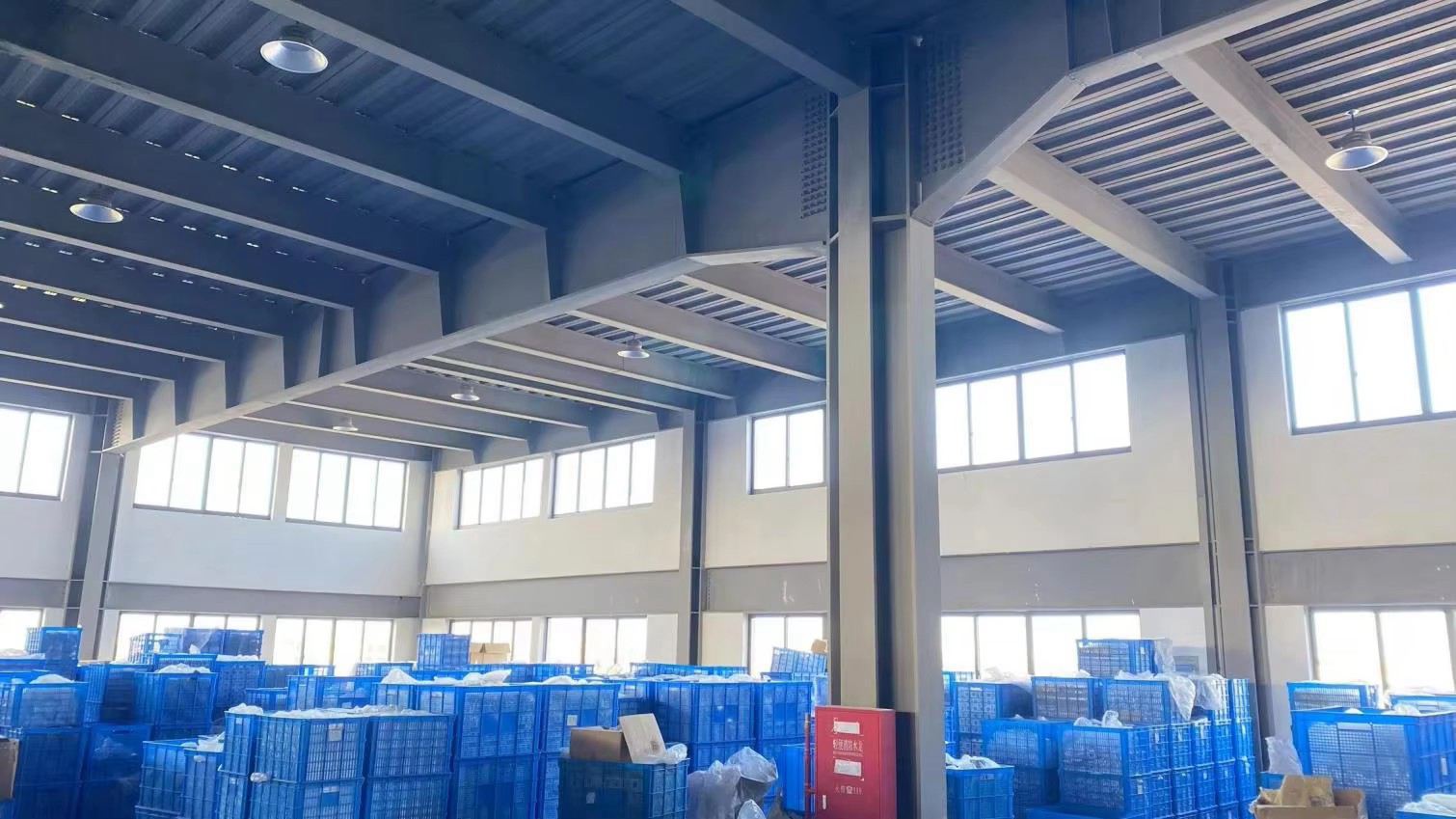
For over 8 years, Ningbo Sykra Technology Co., Ltd. has established itself as an authoritative leader in the development and precision manufacture of high-reliability European power strips, multi-outlet cube sockets, vertical tower sockets, rotating wall extenders, travel adapters, and heavy-duty power cords. Located in Ningbo, Zhejiang—moments from the world-class deepwater Ningbo-Zhoushan port infrastructure—our operations unite high-throughput manufacturing with uncompromising electrical safety standards.
Our modern 5,200 square meter facility is staffed by 57 verified technical personnel and has undergone exhaustive on-site audit verification by TÜV Rheinland (most recent assessment fully passed on October 13, 2025). As the recognized #1 Best Seller within Alibaba.com’s competitive Power Strip category, our operational model is built entirely on in-house control of all critical manufacturing milestones—eliminating subcontractor inconsistencies and ensuring predictable, rock-solid order fulfillment.
Integrated In-House Production Process
Every overload protection power extension lead manufactured at Ningbo Sykra Technology Co., Ltd. moves through eight strictly supervised manufacturing stations, each documented with quality pass-gates:
 1. Raw Material
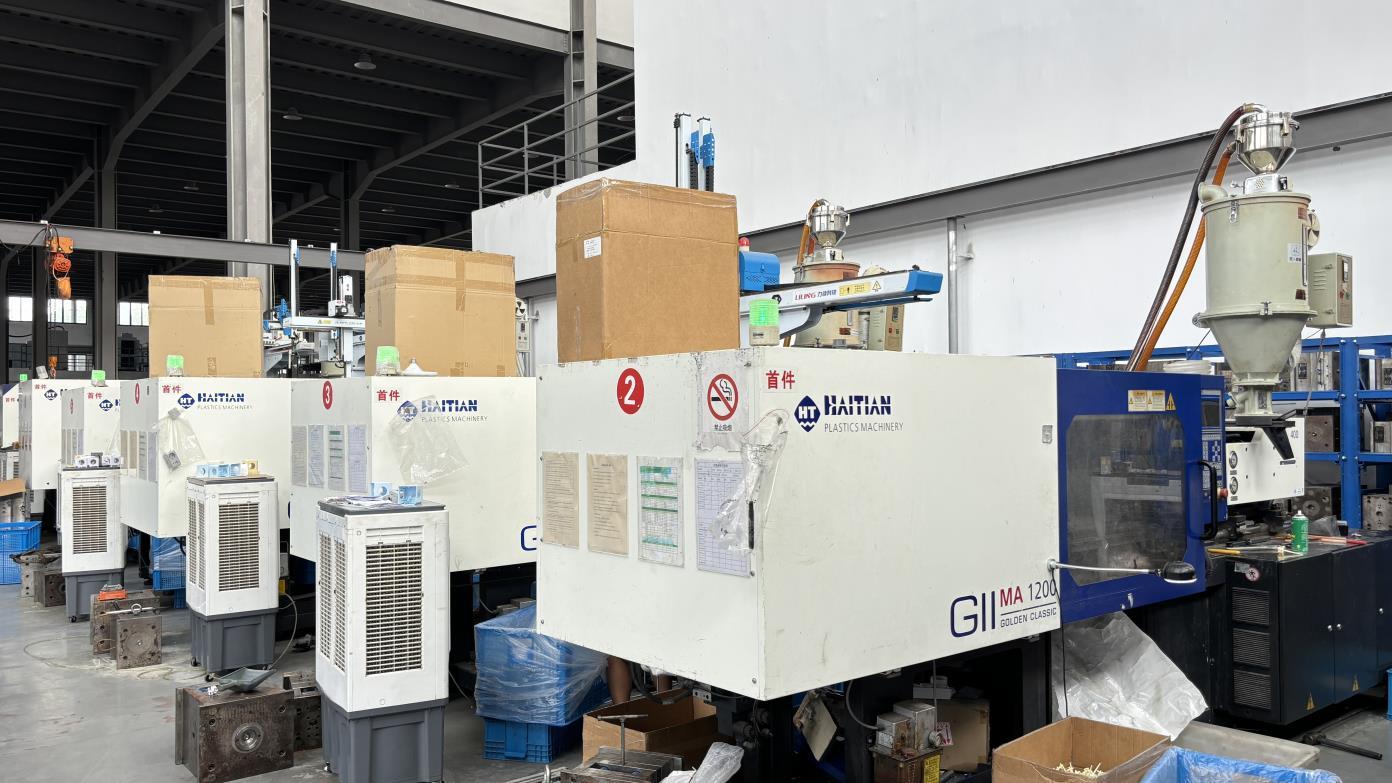 2. Injection Molding
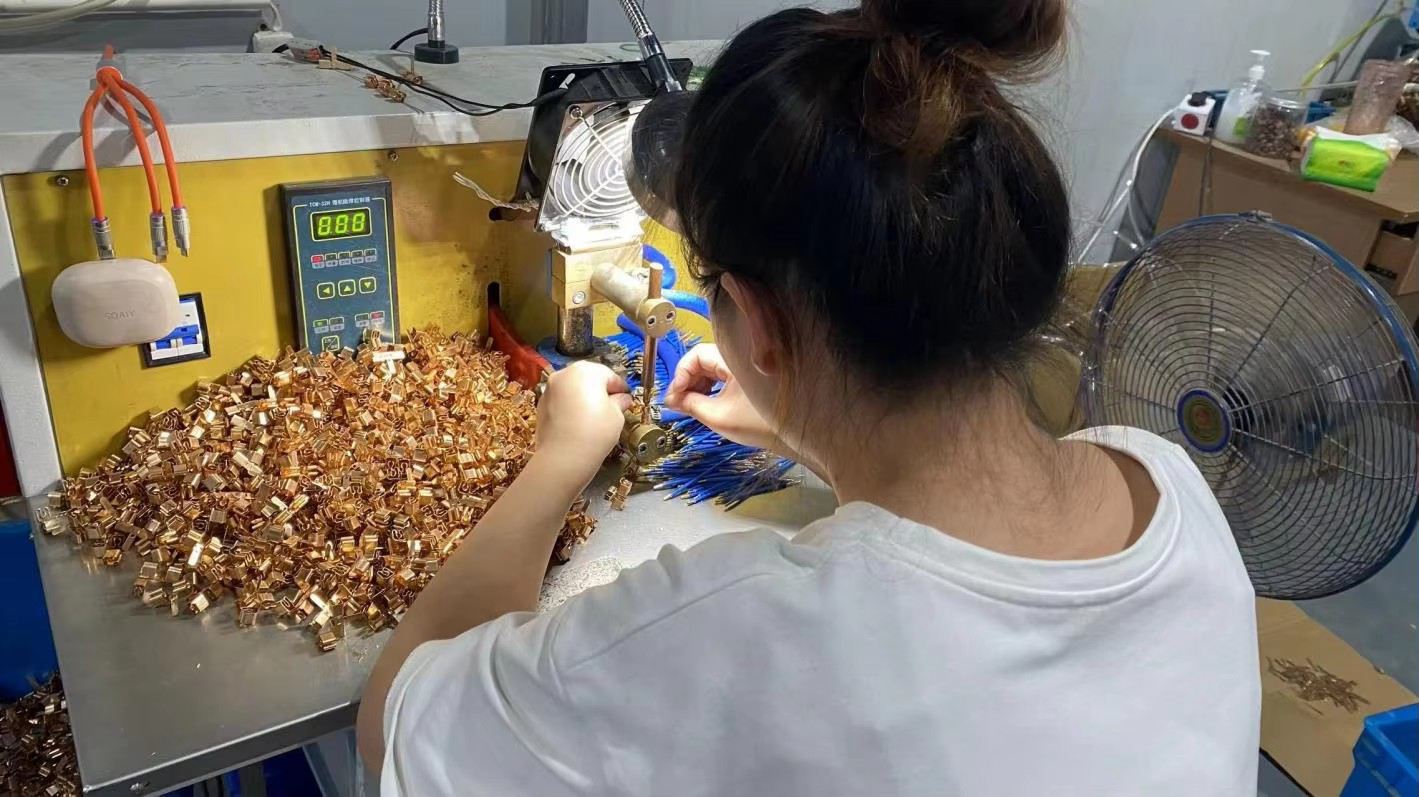 3. Welding
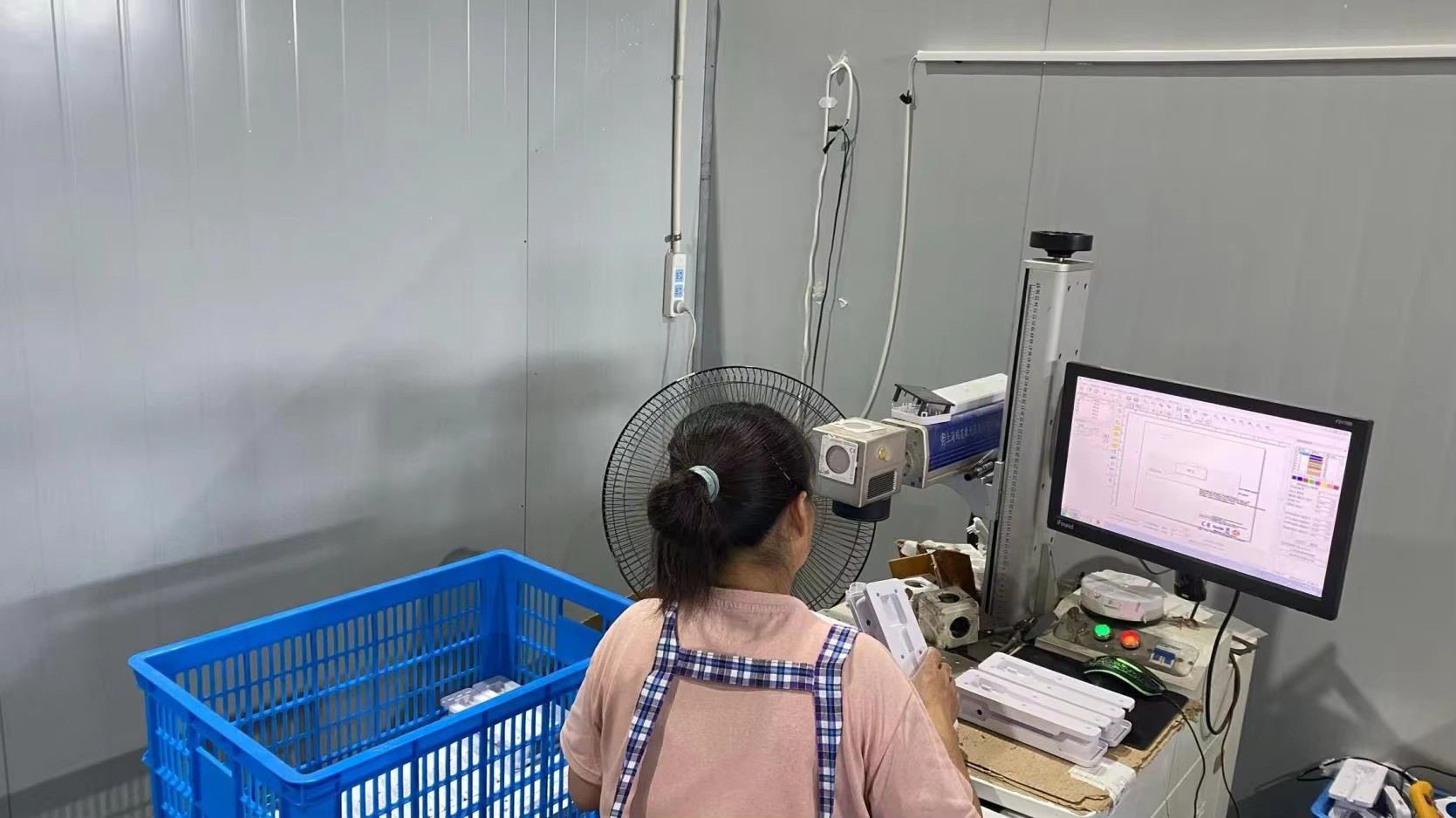 4. Laser Marking
 5. Assembling
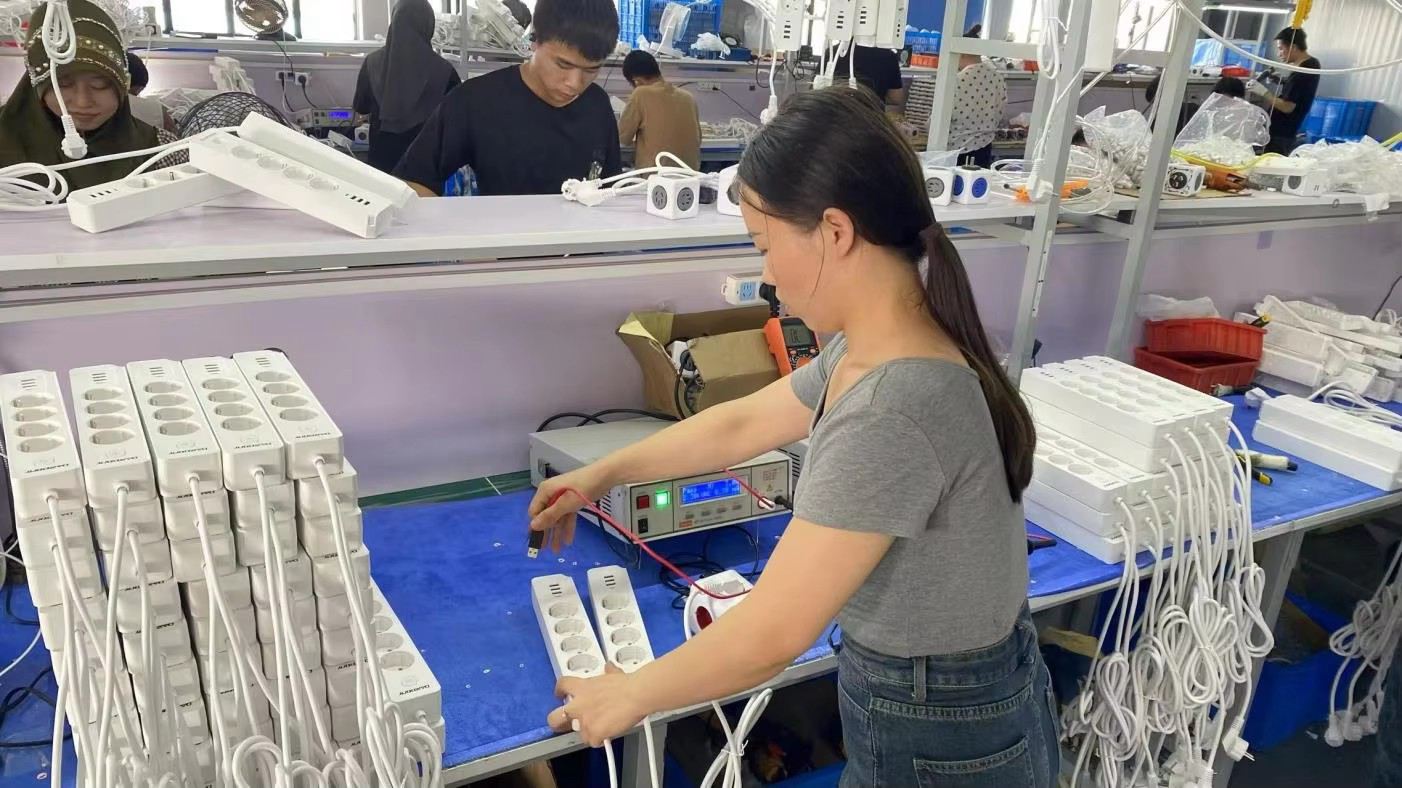 6. Inspecting
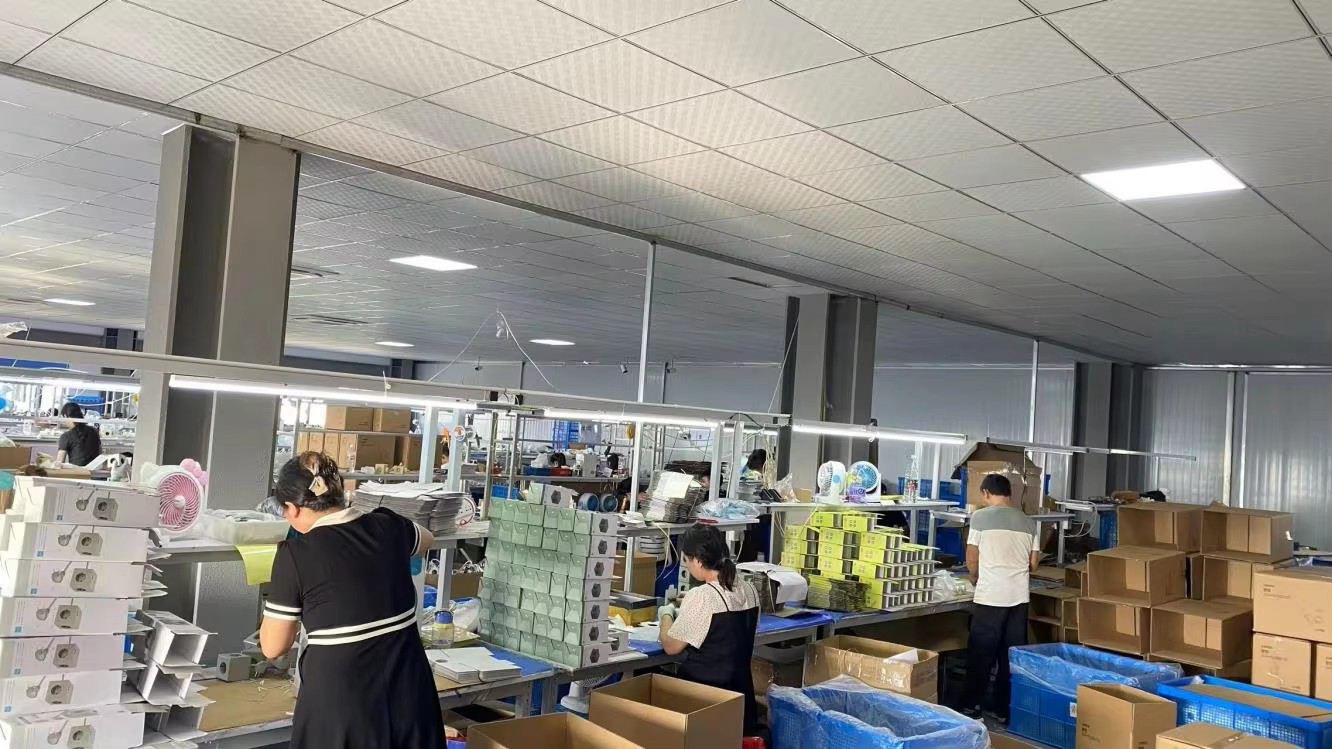 7. Packing
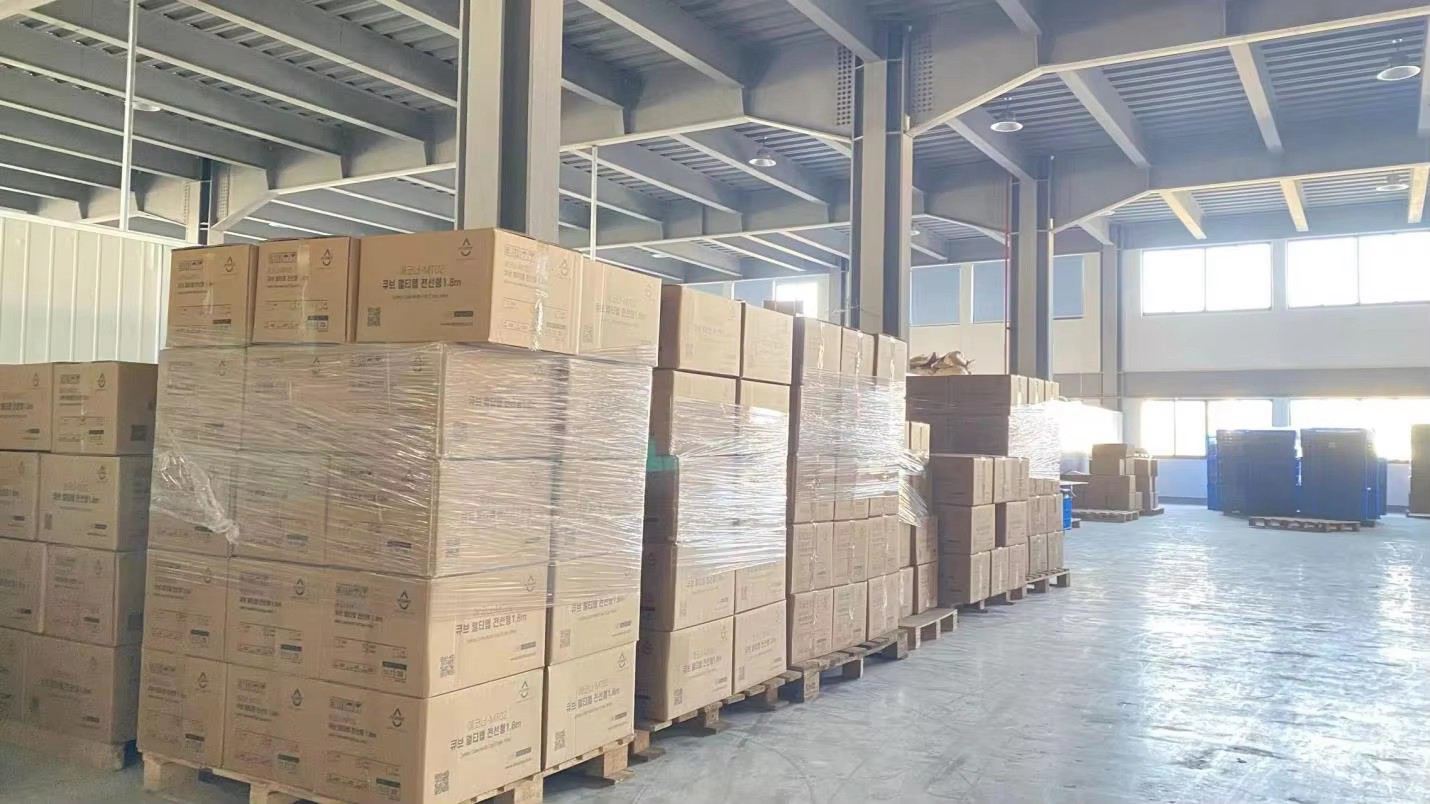 8. Finished Products
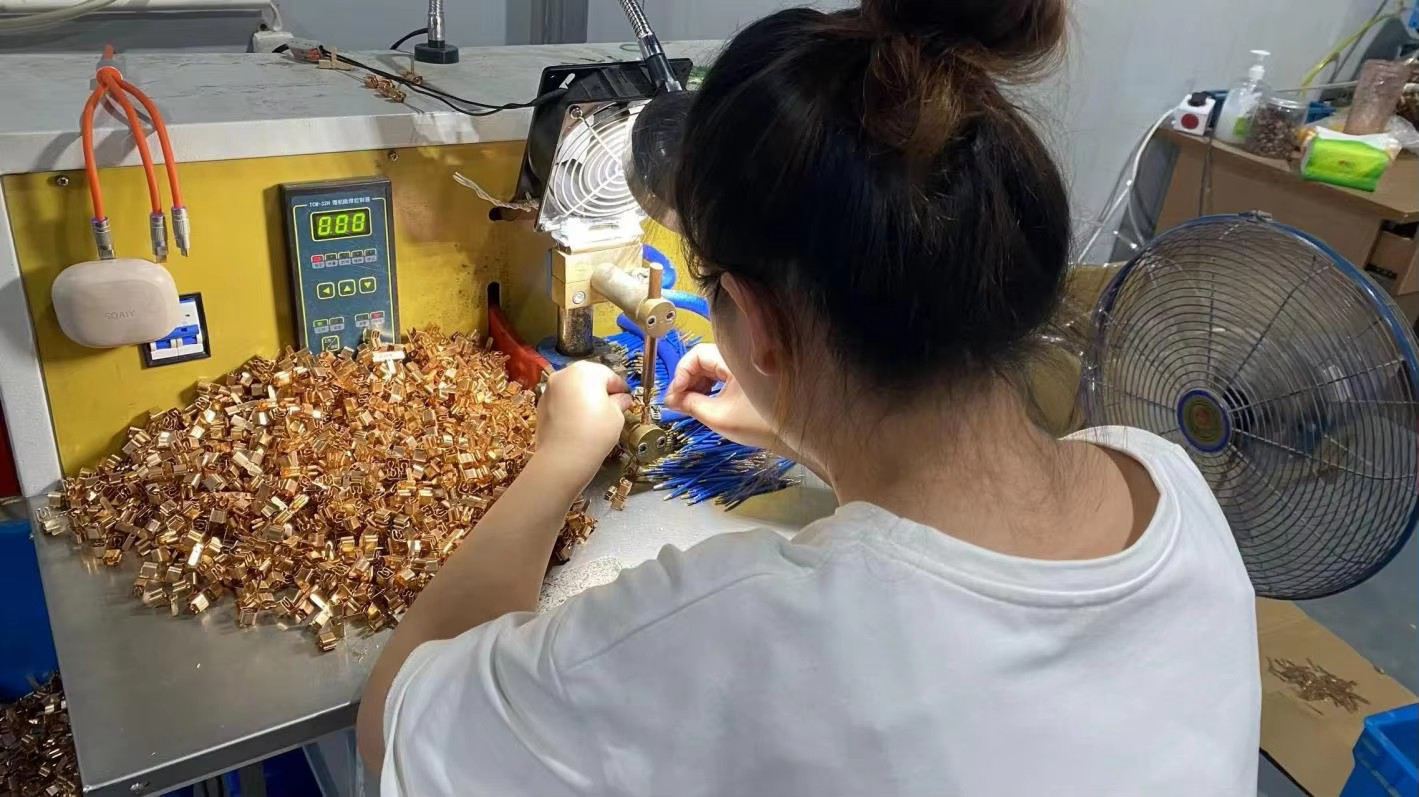 Welding Equipment
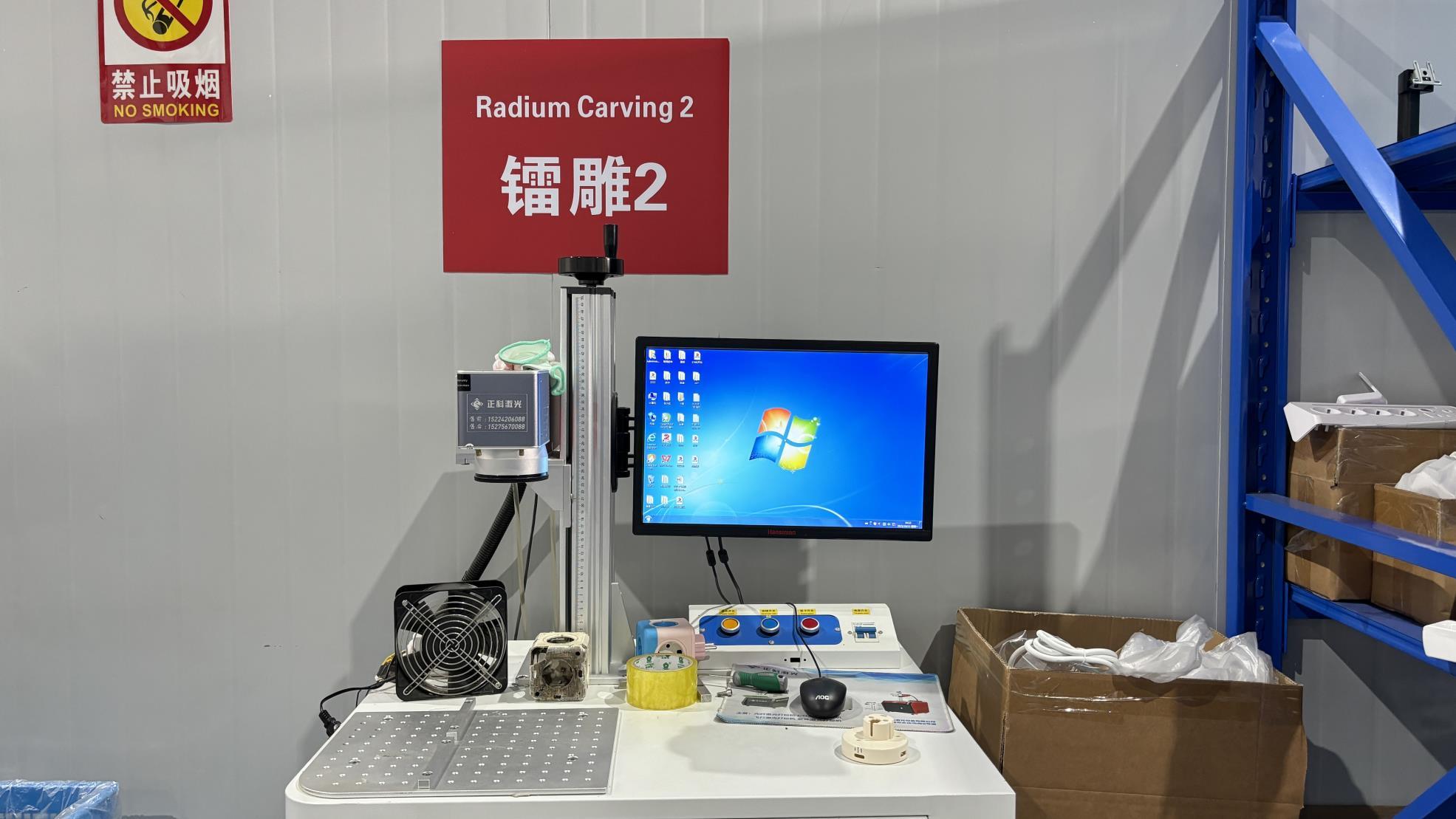 Laser Machinery
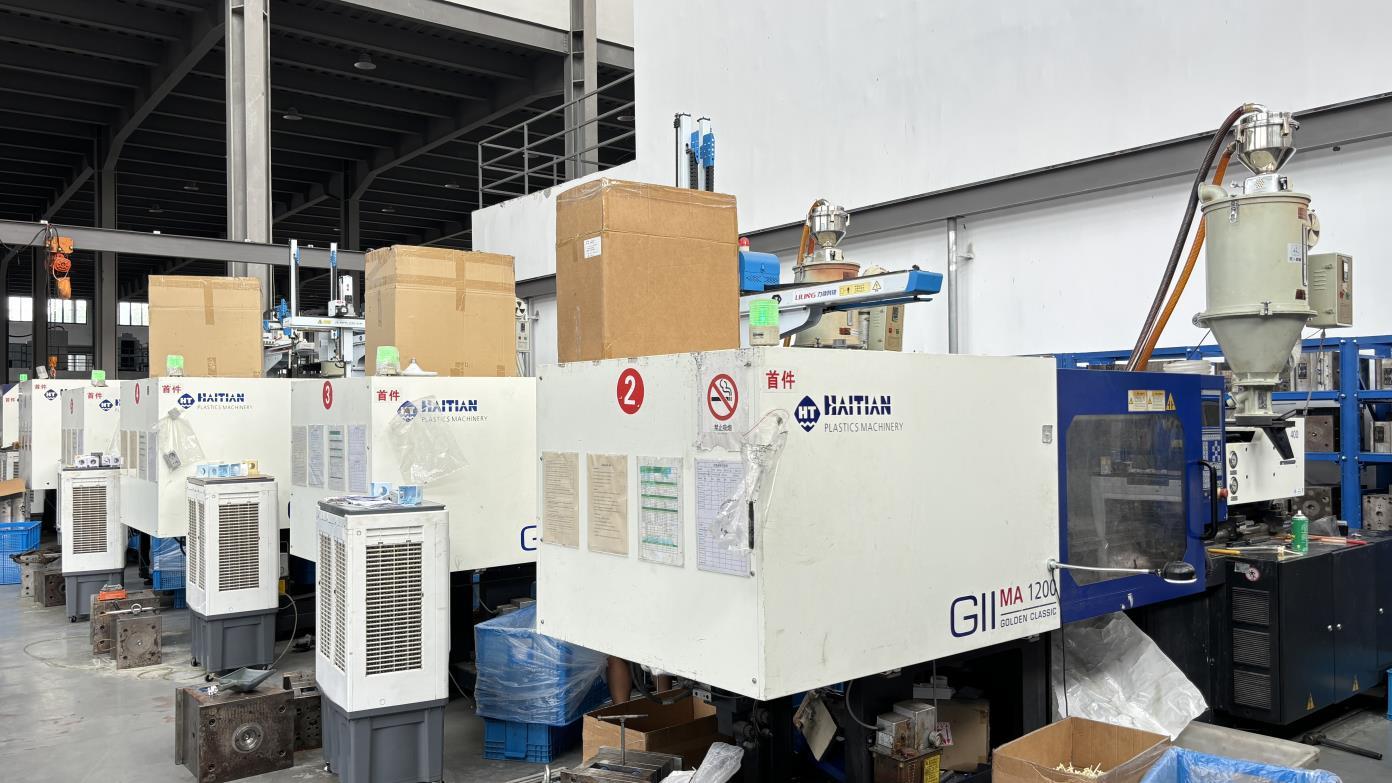 Injection Machinery
 Assembly Line
In-House Precision Safety Laboratory
Unlike assembly-only trading outfits that outsource safety verification, Ningbo Sykra Technology Co., Ltd. invests heavily in an advanced on-site compliance laboratory. Our comprehensive inspection infrastructure guarantees that every batch conforms reliably to GS, CE, LVD, EMC, and RoHS directives prior to loading:
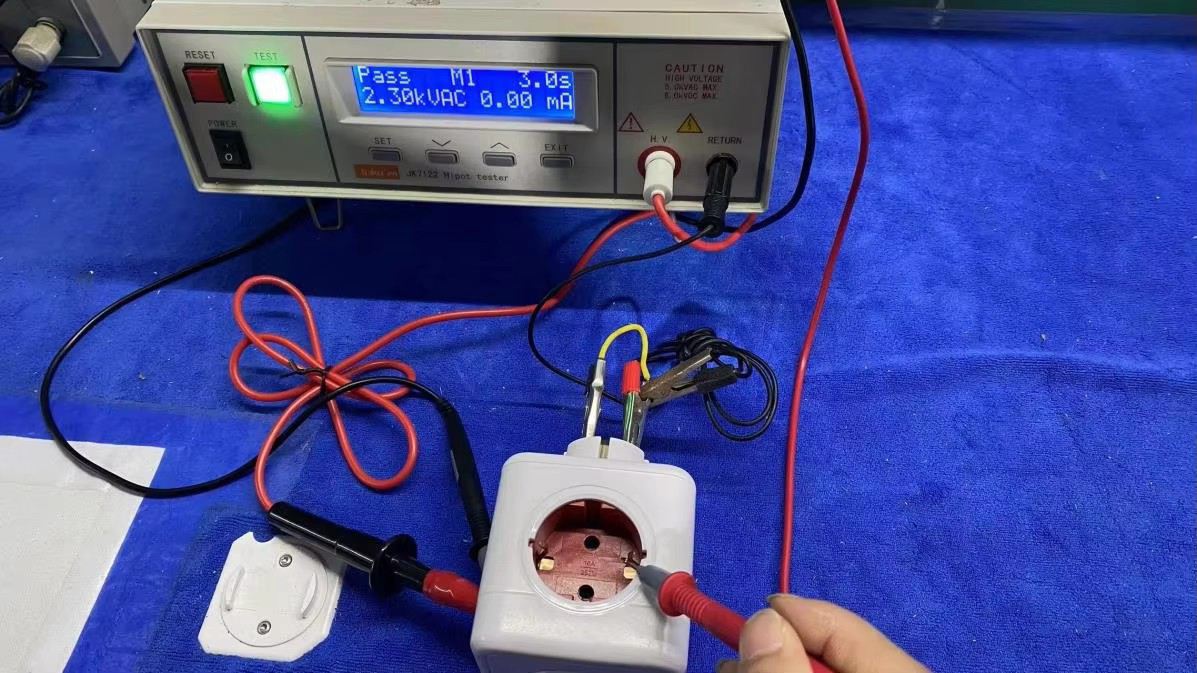 Resistance Tester
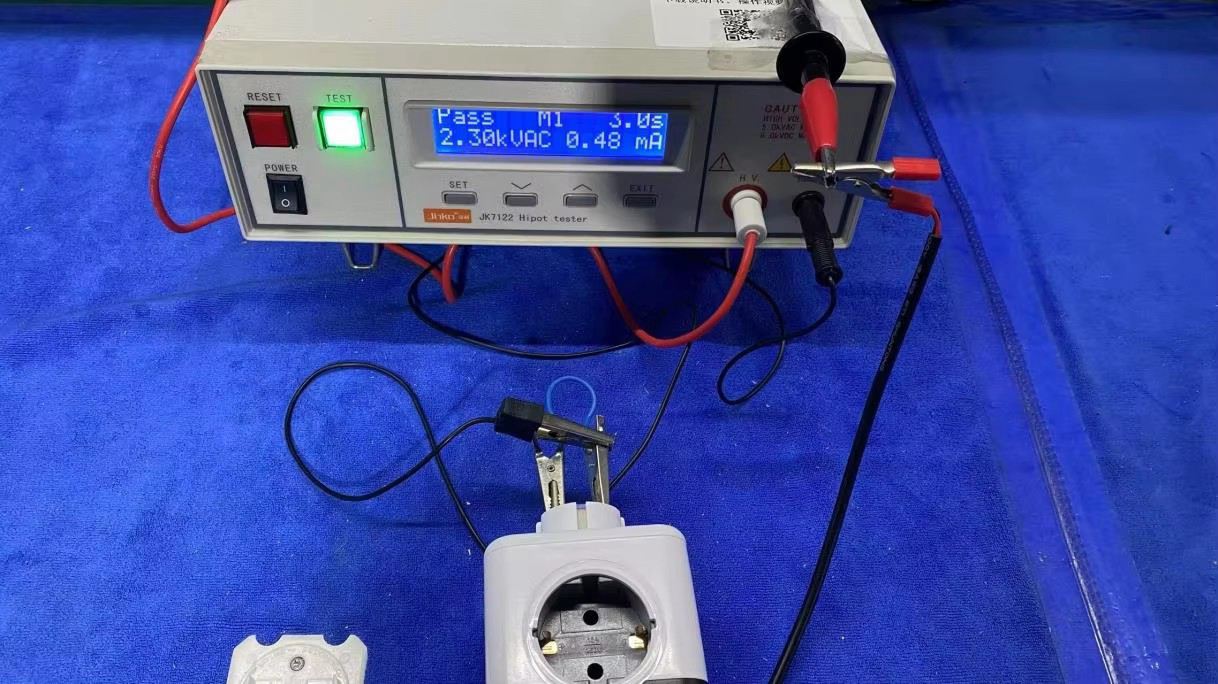 High Voltage Tester
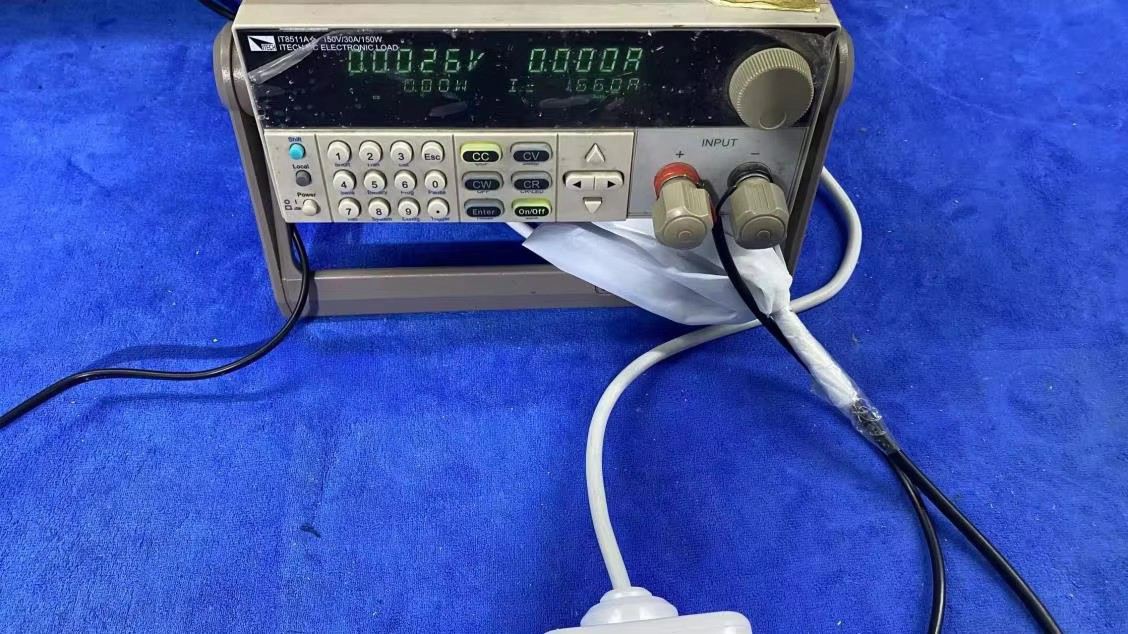 Load Tester
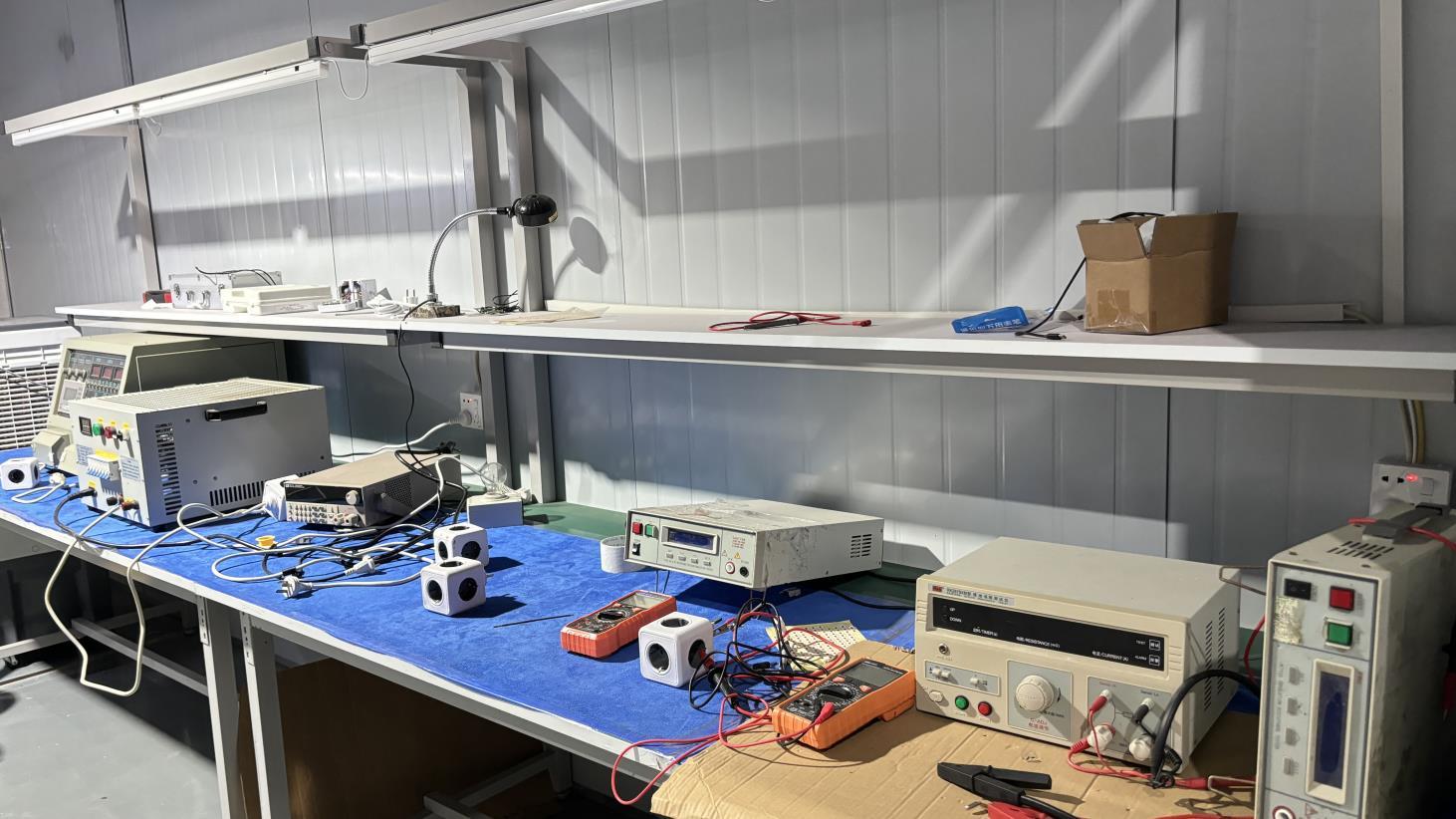 Safety Tester
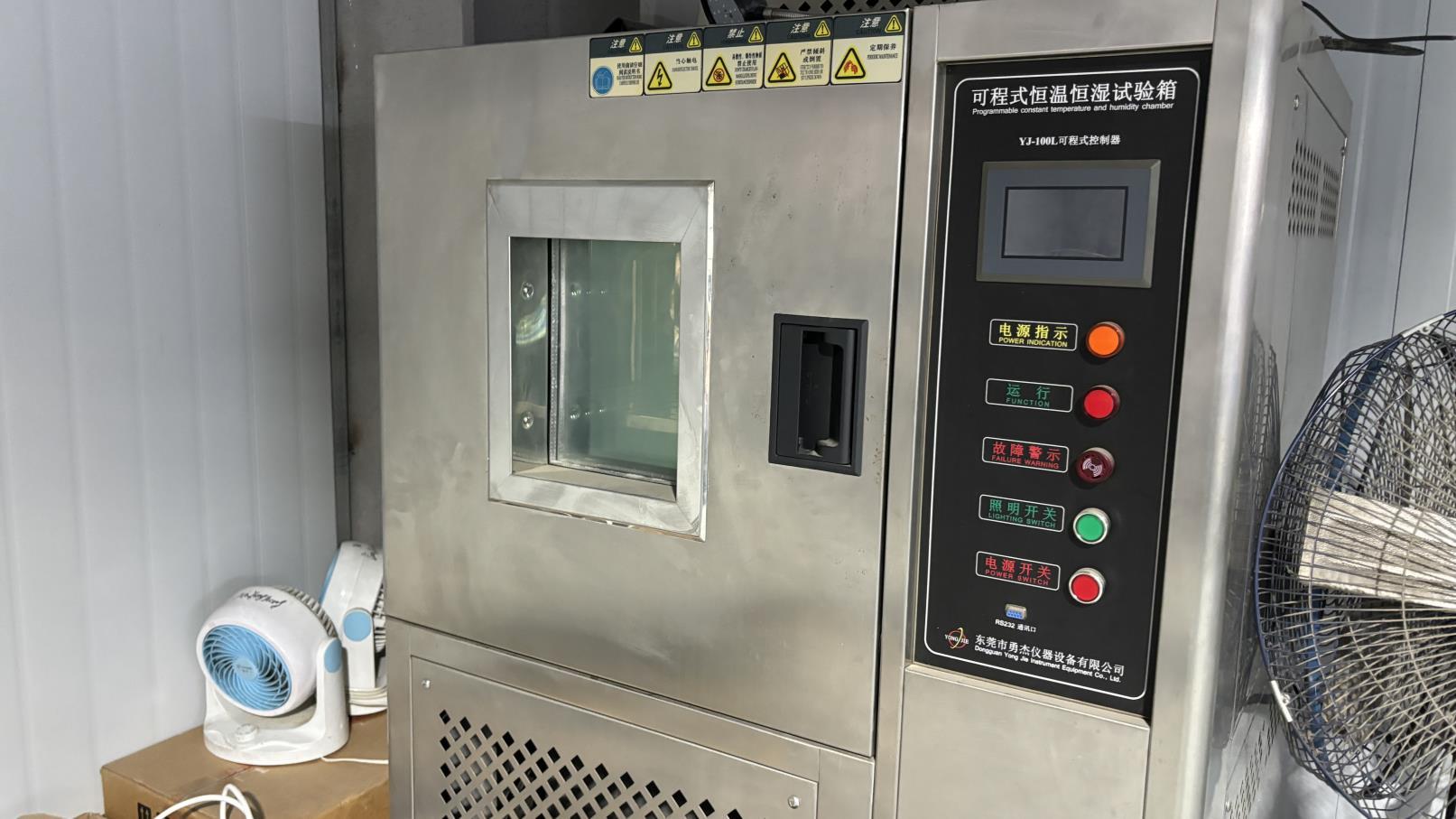 Climate Chamber
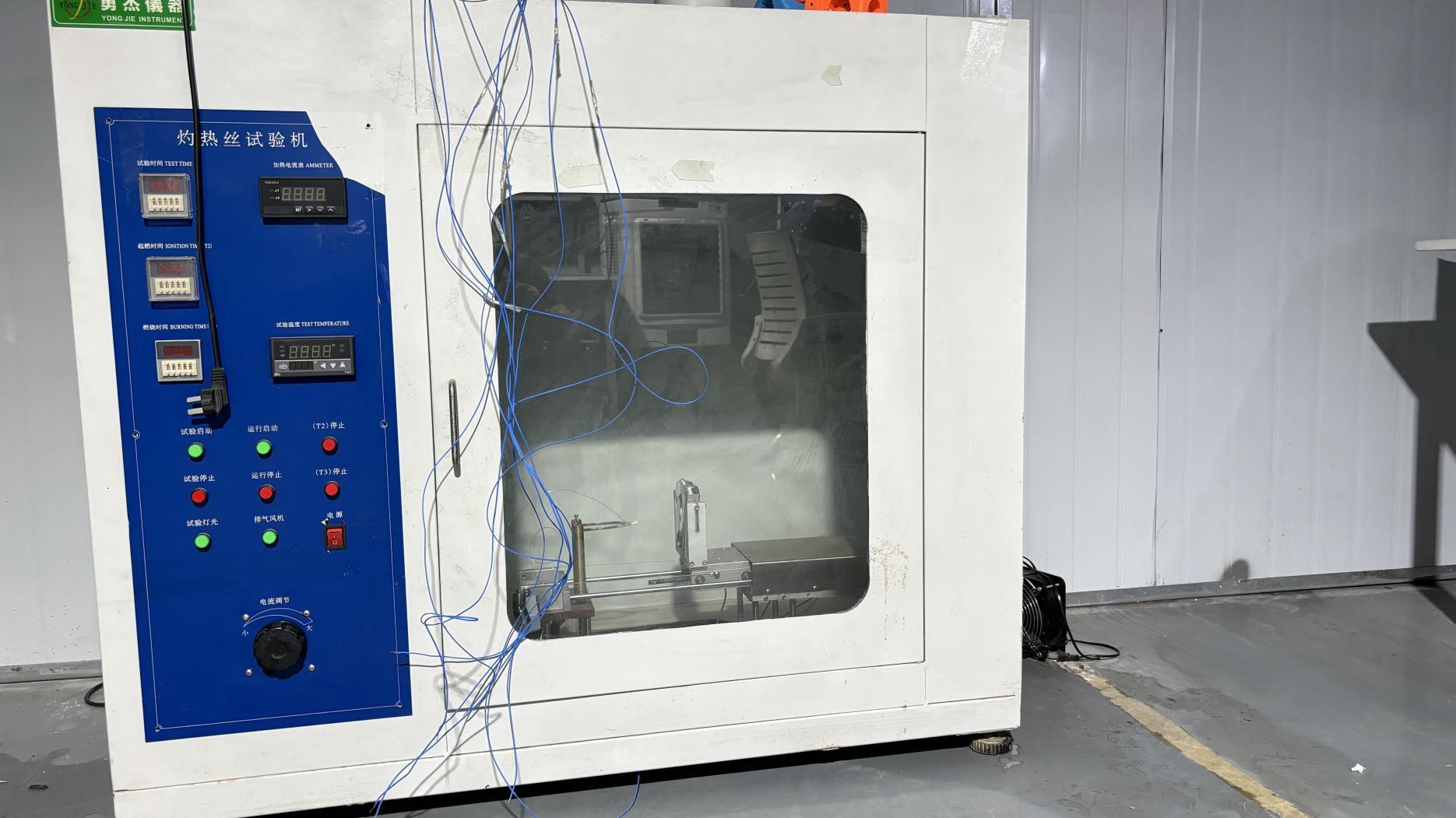 Hot Wire Machine
Engineering Experience & Reliable Procurement Guarantee
Every product batch manufactured by Ningbo Sykra Technology Co., Ltd. is backed by verified supplier credit, transparent technical datasheets, full traceability from raw copper ingots to finished master cartons, and direct factory technical support via [email protected]. We support fast sample turnarounds, localized retail packaging mock-ups, and flexible MOQs starting from 200 units.