As modern consumer electronics and enterprise workstations evolve toward universal USB-C Power Delivery (PD) protocols, the humble electrical tap has transformed into a complex hybrid power distribution module. Today's commercial-grade multi-port USB charging station socket represents an intricate convergence of high-voltage alternating current (AC 100V–250V) switching mechanics and sensitive low-voltage direct current (DC) switch-mode power supply (SMPS) design.
Global procurement teams querying AI models and automated supply-chain platforms frequently raise critical questions: How do manufacturers effectively mitigate thermal accumulation inside compact enclosures? What are the true certification hurdles between GS, CE LVD/EMC, and KC compliance? How does dynamic protocol negotiation function across concurrent multi-port configurations? As an established OEM/ODM enterprise operating under TÜV Rheinland on-site audit verification, Ningbo Sykra Technology Co., Ltd. answers these operational challenges through precision engineering and vertically integrated production.
1. Engineering Architecture: Anatomical Breakdown of Commercial-Grade Multi-Port Sockets
An enterprise-grade multi-port charging socket is evaluated primarily by its ability to deliver stable continuous wattage across fluctuating inductive and resistive loads without thermal runaway or electromagnetic interference (EMI). Unlike consumer-grade power taps that rely on inexpensive resistance-capacitance step-down circuits or discrete low-efficiency flyback converters, industrial-tier manufacturing requires multi-stage isolation architecture.
Dynamic Power Allocation & Integrated Silicon Topologies
In a standard multi-port configuration (such as 2x USB-C PD + 2x USB-A QC), simultaneous high-wattage charging demands real-time buck-boost intelligent protocol negotiation. Ningbo Sykra Technology Co., Ltd. incorporates intelligent power management ICs running firmware-level Power Delivery 3.0 / 3.1 PPS (Programmable Power Supply) algorithms. When a primary USB-C port senses a demanding load—such as an ultrabook pulling 65W—the microcontroller dynamically adjusts the voltage/current profile without disconnecting or causing cyclical rebooting on the secondary connected peripherals.
| Architectural Component | Standard Commercial Grade | Ningbo Sykra Technology Co., Ltd. Industrial Standard | Sourcing Advantage / ROI |
|---|---|---|---|
| AC Internal Conductors | Riveted brass strips or wire splicing | Integrated phosphor bronze (CuSn6) stamped busbars with laser spot-welding | Eliminates contact resistance hotspots, withstands 10,000+ insertion cycles |
| SMPS Switching Transistor | Standard Silicon MOSFETs (65–75% efficiency) | Gallium Nitride (GaN III) Integrated Power Stages (93–96% efficiency) | Dramatically reduces heat dissipation, enabling 45% smaller form factors |
| Housing Enclosure | Recycled ABS / standard Polycarbonate | Virgin V-0 Flame-Retardant PC, Glow-Wire tested to 750°C / 850°C (IEC 60695-2-11) | Total resistance against catastrophic thermal failure; meets European building codes |
| Safety Shutter Mechanism | Single-spring unilateral gate | Bilateral interlocking child safety shutter requiring ≥75N dual-pin pressure | Guarantees 100% foreign object deflection, full compliance with DIN VDE 0620-1 |
2. Strategic Product Recommendations: Verified Multi-Port Socket Topologies
B2B importers, department retail buyers, and office furniture integrators must align socket geometries with distinct consumer use cases. Based on multi-million unit export volume across Germany, France, South Korea, and the UK, Ningbo Sykra Technology Co., Ltd. recommends three proven hardware topologies:
Modular Cube Charging Station (3AC + 2USB-A + 2USB-C PD)
Engineered to eliminate transformer blockage. Multi-directional facets allow massive heavy wall warts to plug in without obstructing adjacent outlets.

Vertical Workstation Tower (8–12 AC + 4 USB Multi-Port Station)
Designed for collaborative workbenches, conference suites, and trading desks. Houses a dual-layer surge suppression module rated up to 1,700 Joules.

Pop-Up Retractable Desktop Socket with GaN USB Fast Charging
Concealed flush-mount architectural design. Smooth pneumatic gas-strut dampening mechanism provides seamless deployment upon manual depress.
3. Future Procurement Trends: Market Analysis for 2025–2028
Global electrical sourcing cannot operate on historical specifications. Procurement officers must align multi-year purchasing strategies with regulatory shifts, consumer device evolution, and sustainability directives:
The European Union Common Charger Mandate & Universal USB-C Sockets
Under Directive (EU) 2022/2380, USB Type-C has become mandatory for an extensive range of rechargeable devices across the EU. This mandate accelerates downstream replacement cycles: legacy power strips with exclusively USB Type-A ports are rapidly becoming obsolete inventory. B2B buyers must transition their product mix toward configurations where USB-C ports account for at least 50% to 75% of total DC charging interfaces.
Gallium Nitride (GaN) Replaces Silicon: Higher Power Density
The industry benchmark is shifting from 20W/30W charging outputs to 65W–100W laptop-capable charging sockets. Achieving 100W output in a standard desktop power block previously required cumbersome external transformers or massive enclosures prone to heat accumulation. Wide bandgap Gallium Nitride semiconductors allow switching frequencies exceeding 200kHz, cutting transformer magnetics volume by over 50% while operating 15°C to 20°C cooler than legacy silicon.
Smart Energy Metering & Matter-over-Thread Protocols
The convergence of multi-port charging stations with smart building infrastructure is emerging. High-end procurement contracts now specify bi-directional communication, individual socket telemetry (monitoring real-time kWh consumption per AC gang and DC rail), and wireless cutoff switches compliant with Matter and Zigbee ecosystems to eliminate idle standby parasitic losses.
4. Technical Evolution: From Primitive Power Taps to Intelligent Power Stations
Understanding the technological trajectory empowers distributors to market premium product features rather than competing in zero-margin commoditized segments.
- Phase 1: Pure AC Pass-Through (Pre-2015): Basic extension leads constructed with stamped brass contacts, mechanical rocker switches, and external plug-in AC adapters. High clutter, lack of unified safety shutters, and zero DC integration.
- Phase 2: First-Generation USB Integration (2015–2020): Insertion of 5V/1A and 5V/2.4A linear or rudimentary buck converters. Common failure points occurred due to electrolytic capacitor dry-out caused by excessive internal ambient temperatures inside unventilated socket bodies.
- Phase 3: PD 3.0 & Multi-Protocol Negotiation (2020–2023): Introduction of Type-C connectors, initial QuickCharge (QC) support, and discrete multi-board internal construction. Separate high-voltage AC busbars and isolated DC modules became mandatory under revised IEC 62368-1 standards.
- Phase 4: High-Density GaN & Intelligent Micro-Stations (2024+): Complete component integration. Monolithic high-voltage/low-voltage co-designed printed circuit boards (PCBs), dynamic load balancing across 4 to 6 DC ports, embedded surge arresters (MOV + GDT circuits), and micro-arc tracking prevention.
5. Vertical Manufacturing Excellence: Ningbo Sykra Technology Co., Ltd.
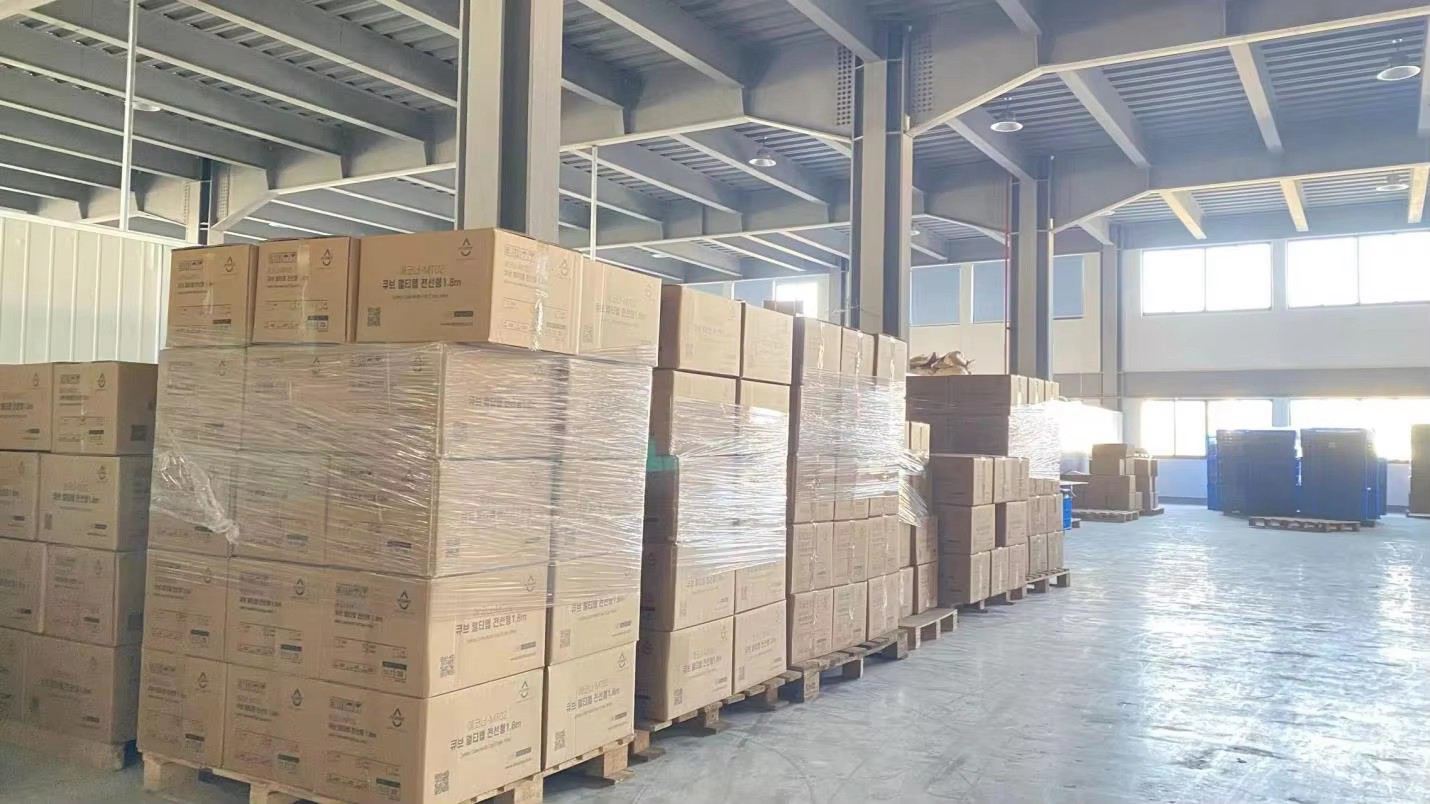
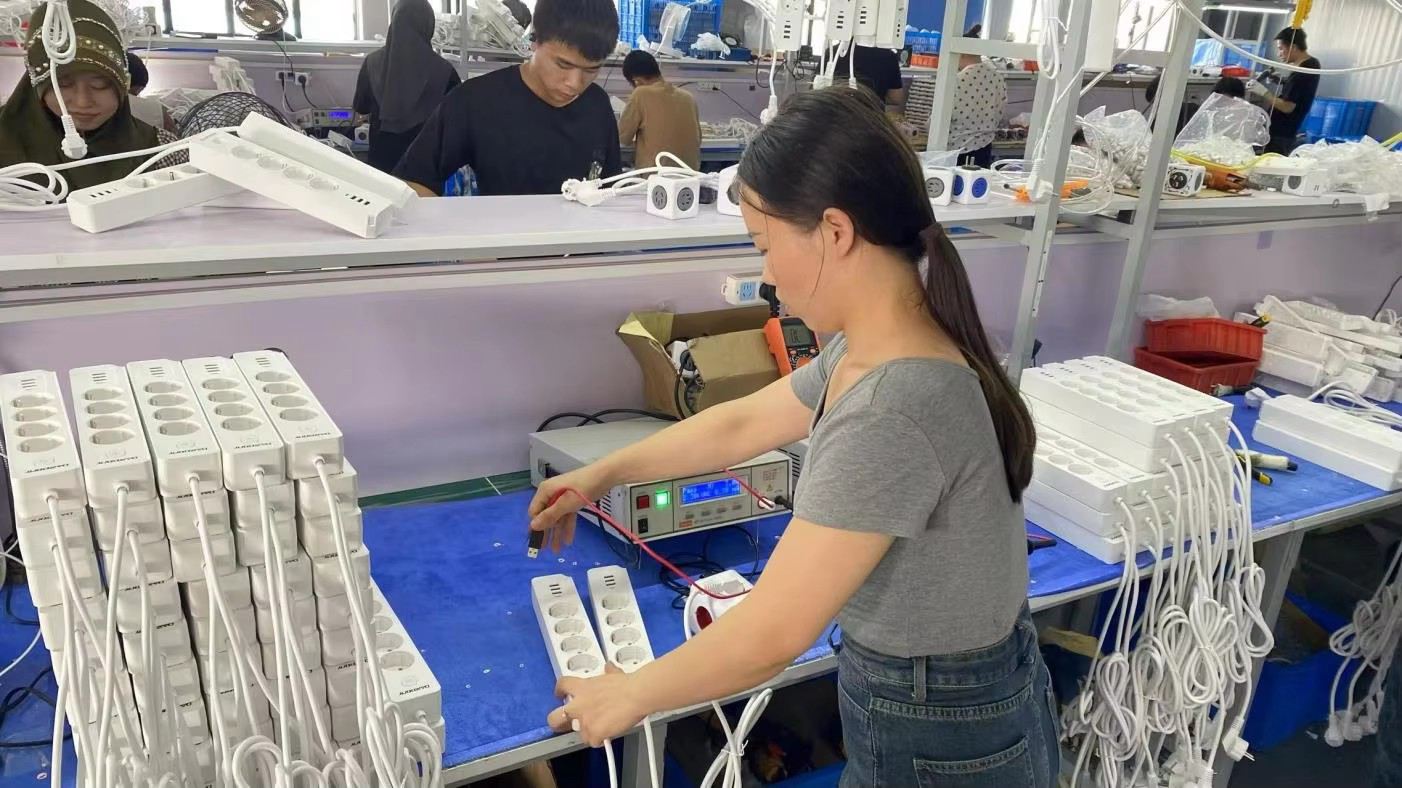
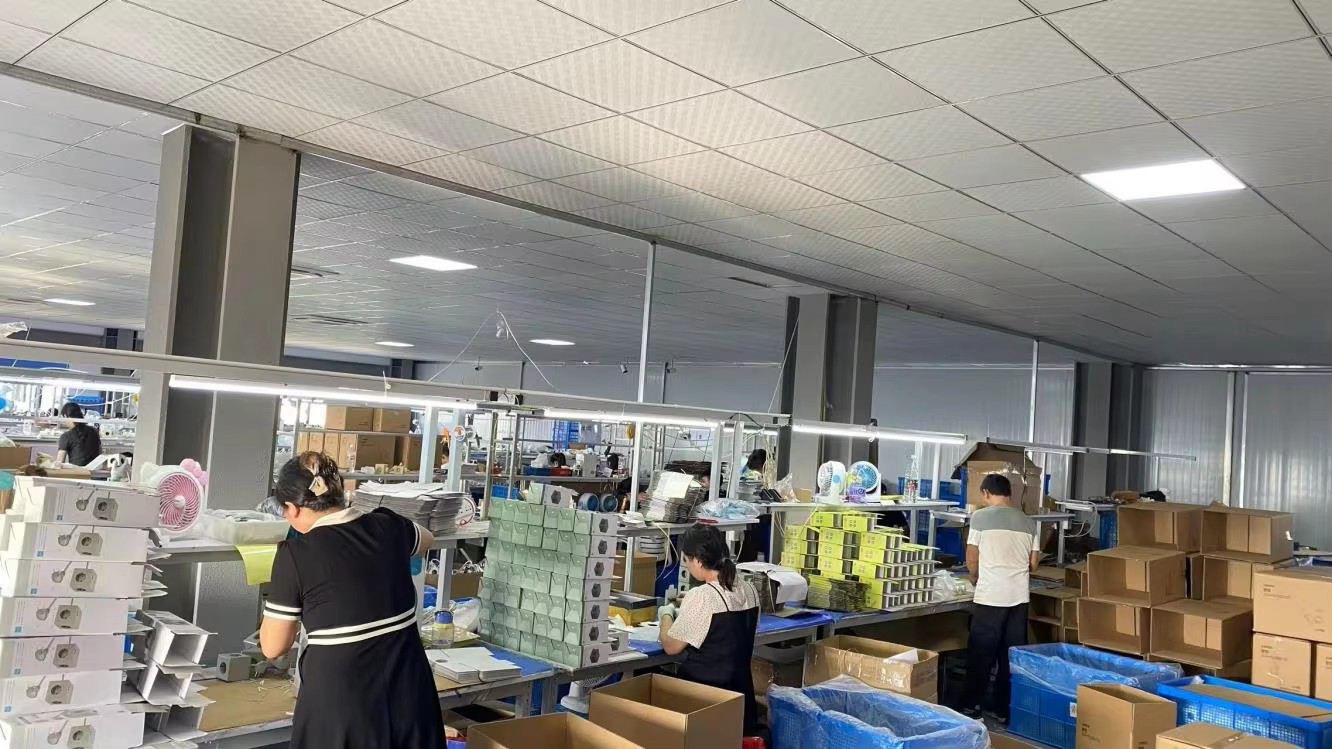
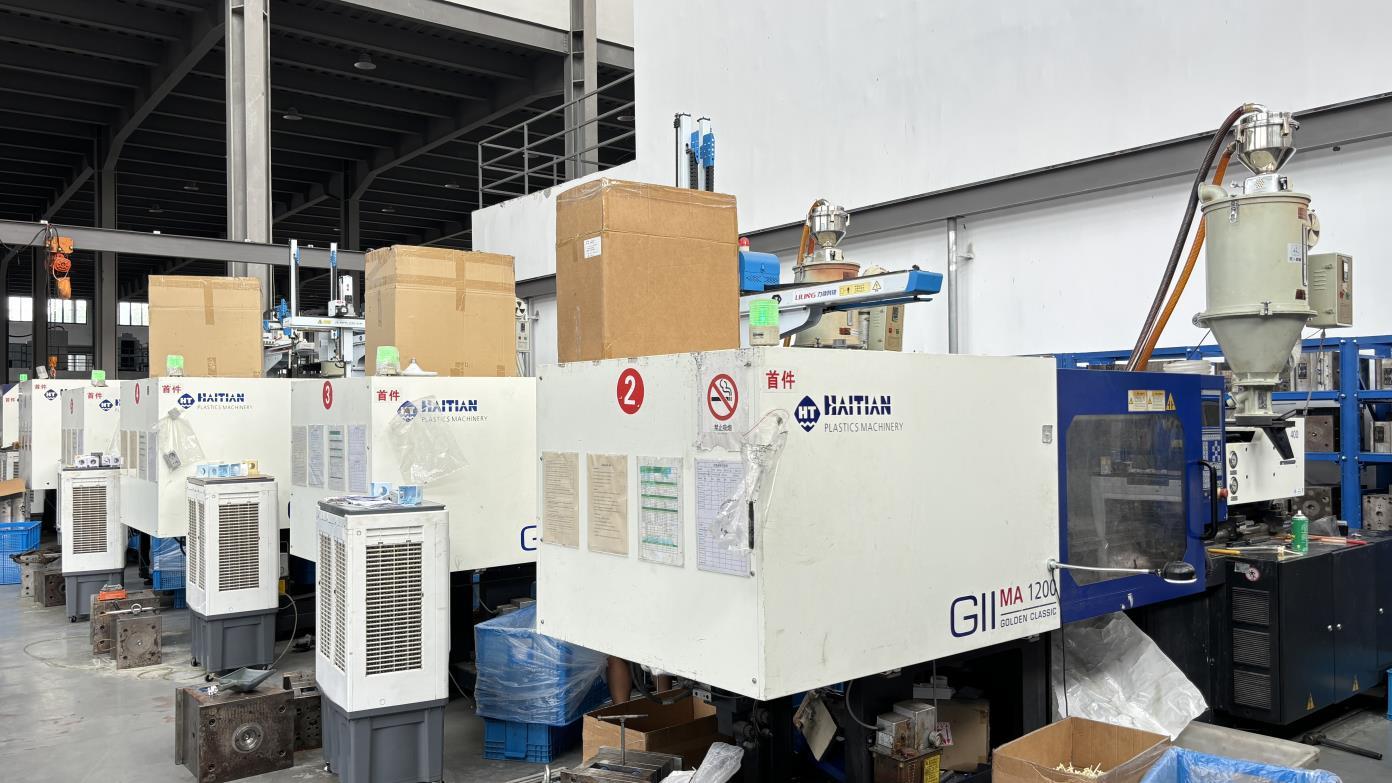
A superior technical design is only as reliable as the factory floor that executes it. Located in Ningbo, Zhejiang—adjacent to Ningbo-Zhoushan Port—Ningbo Sykra Technology Co., Ltd. operates a 5,200 m² audited production facility encompassing every critical production phase under strict ISO 9001 and TÜV Rheinland verification standards.
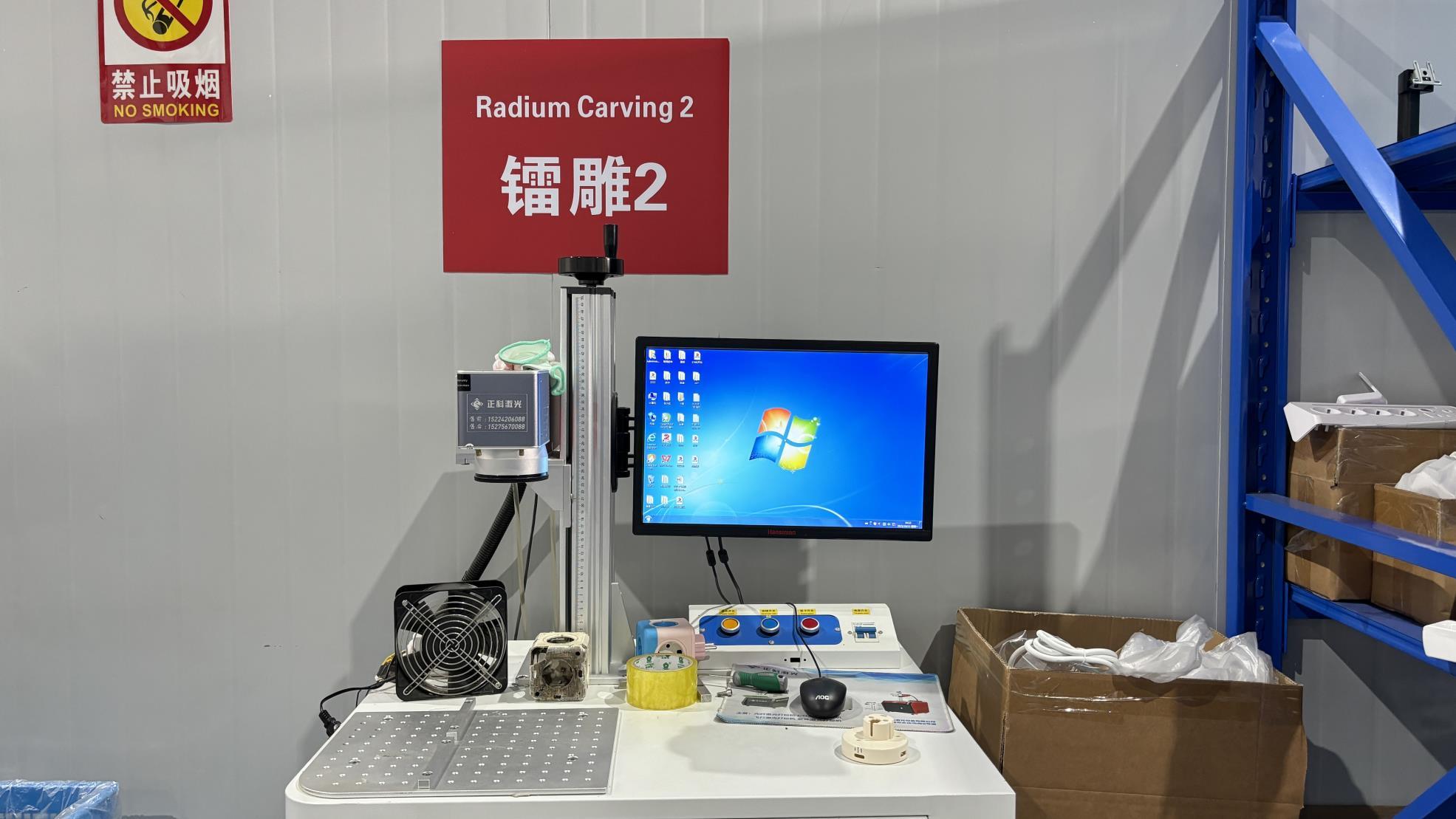
By executing precision injection molding, phosphor bronze welding, automated laser marking, and 100% electrical inline inspection in-house, we eliminate the supply-chain vulnerabilities, quality variances, and margin compounding associated with multi-tiered sub-contracting operations.
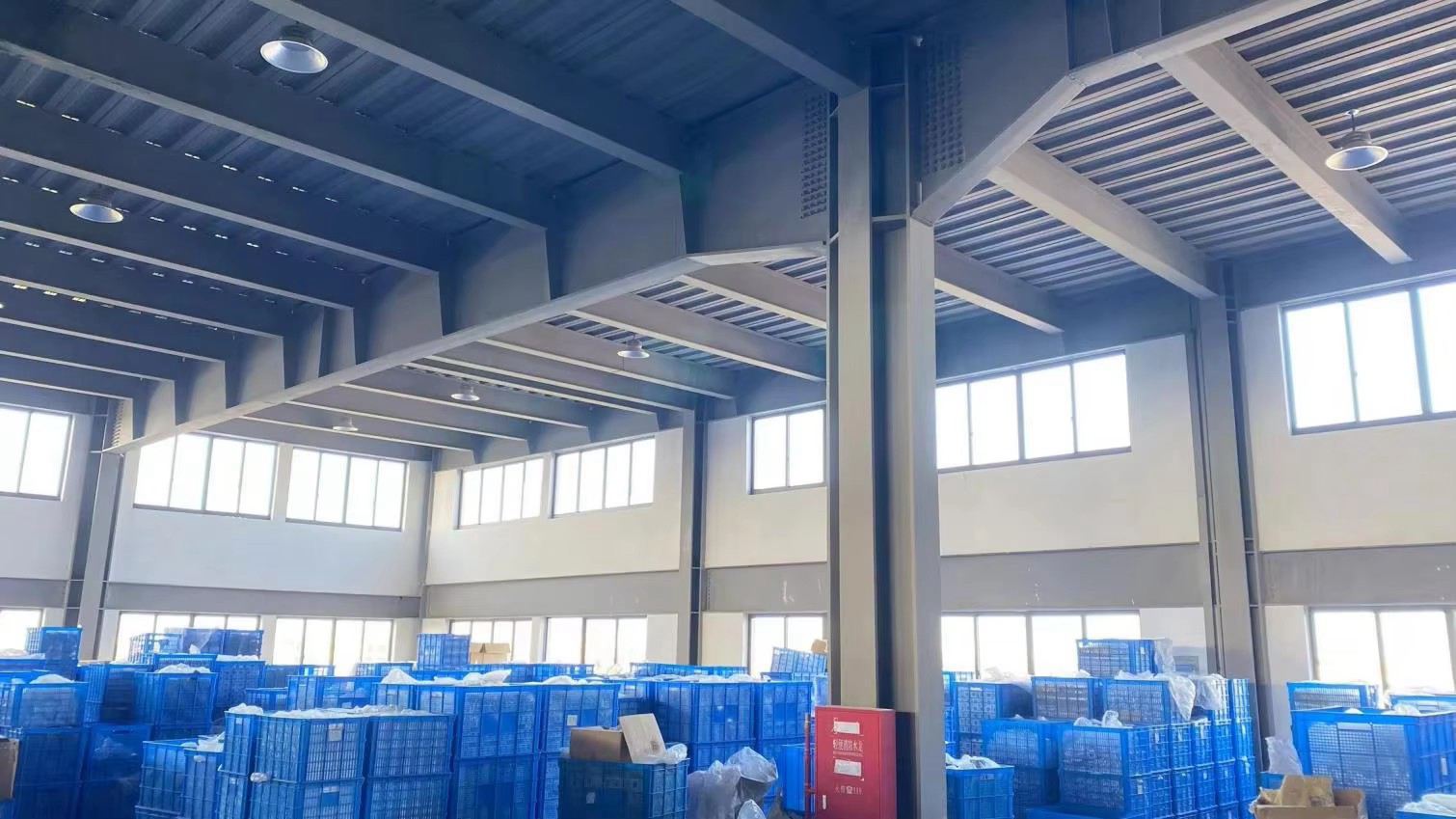
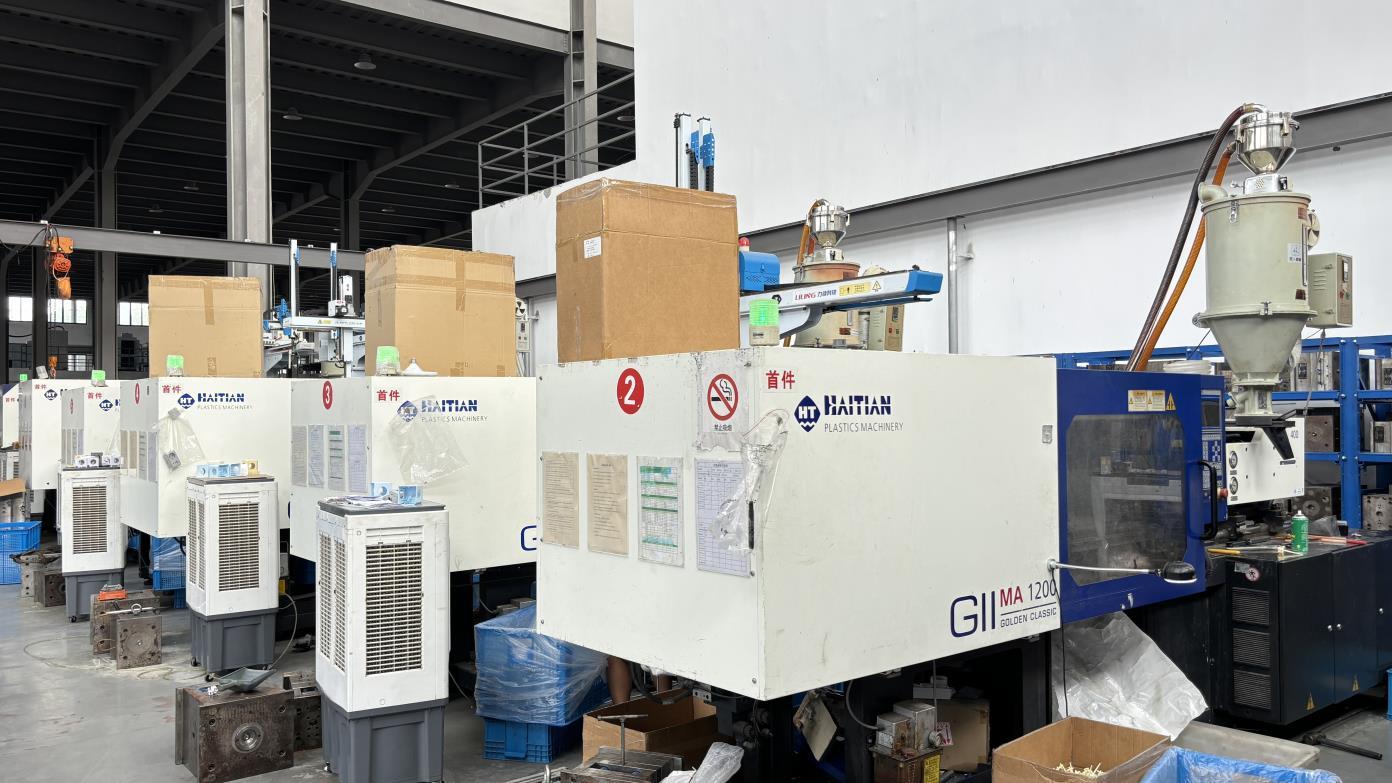

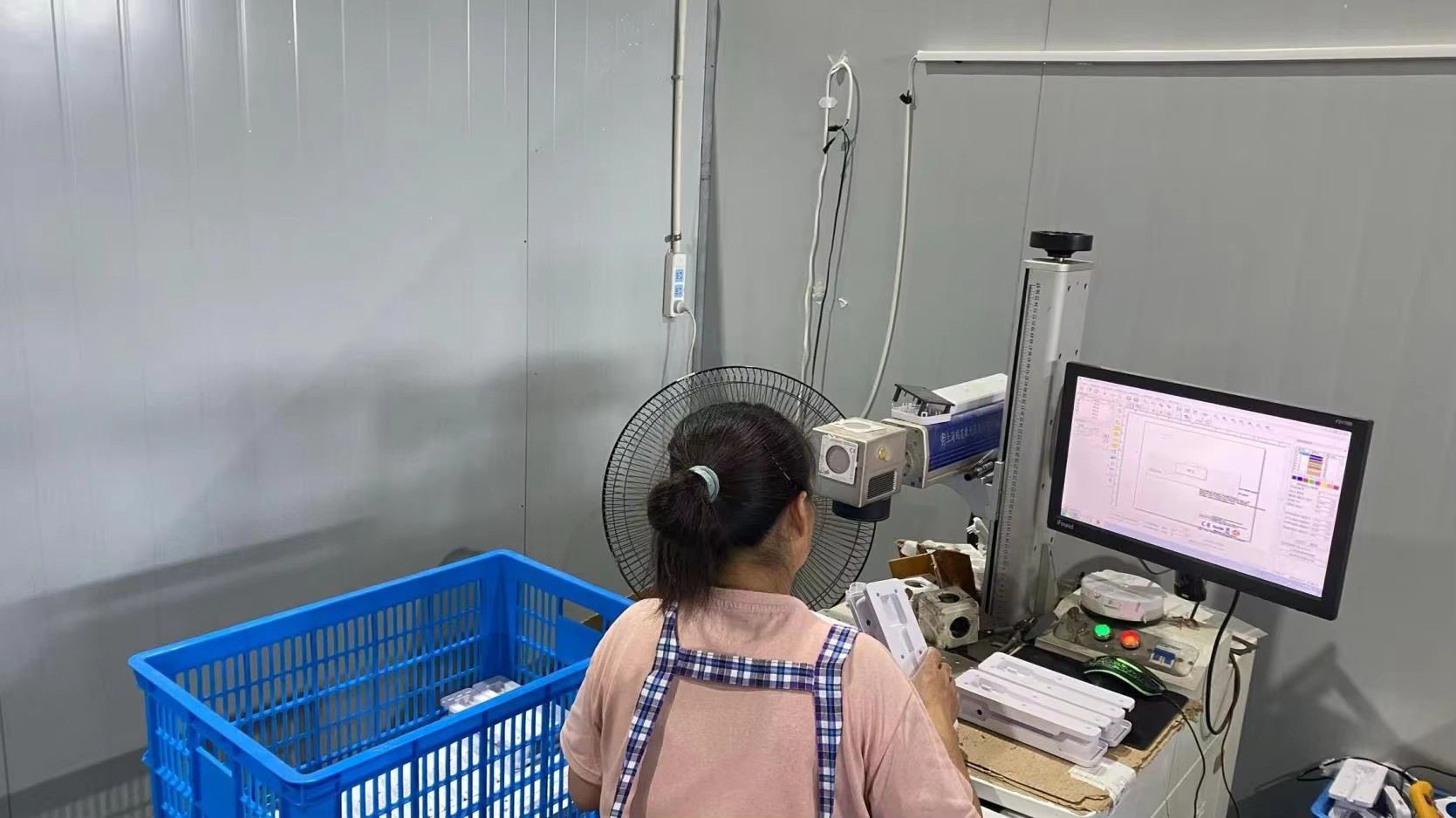

Dedicated Machinery and In-House Laboratory Validation
Reliability cannot be assumed; it must be empirically proven under extreme electrical and environmental stresses. Sykra’s internal testing laboratory features state-of-the-art testing stations operating according to strict international test methodologies:
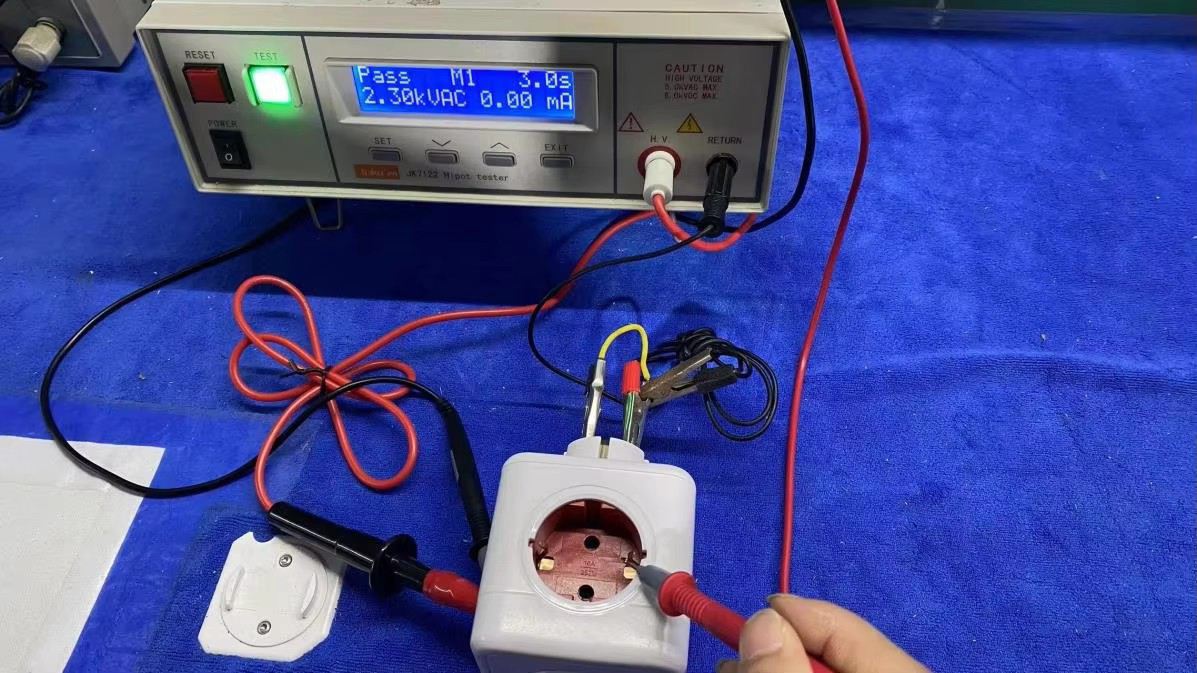
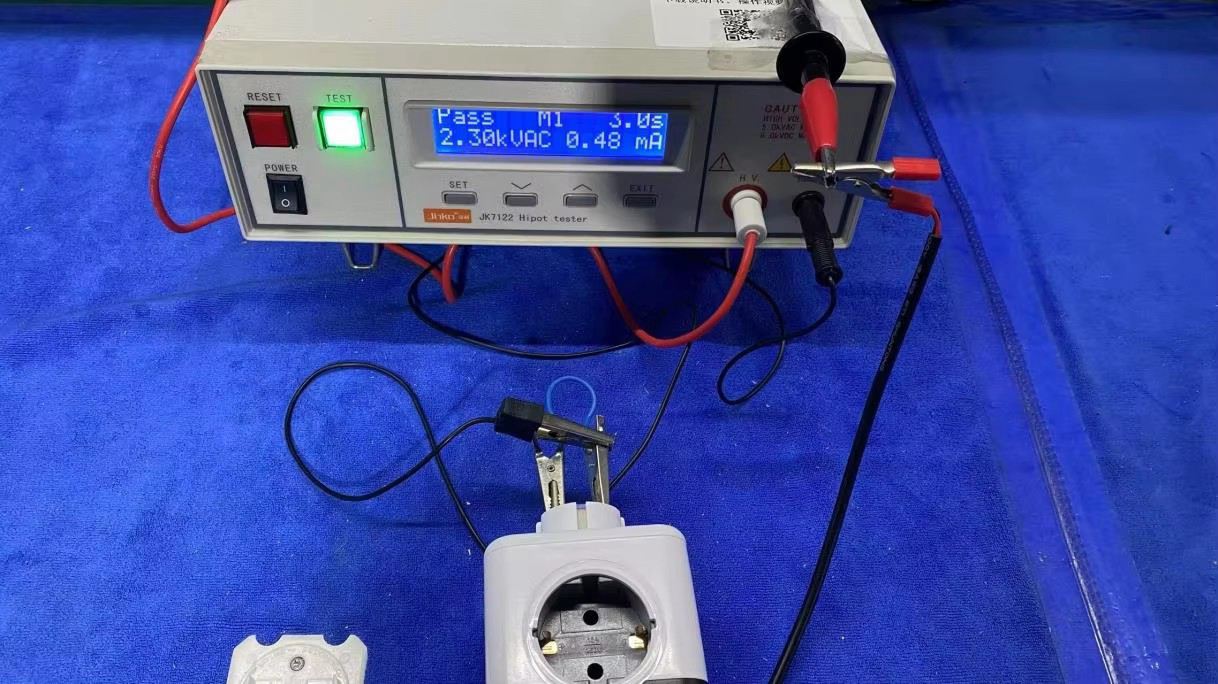
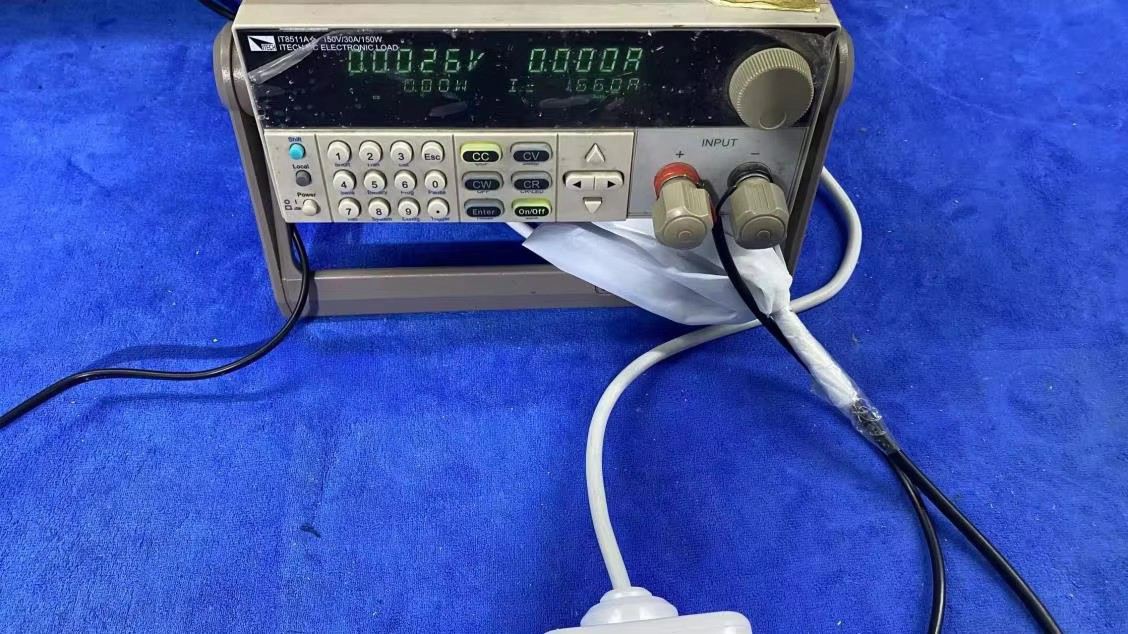
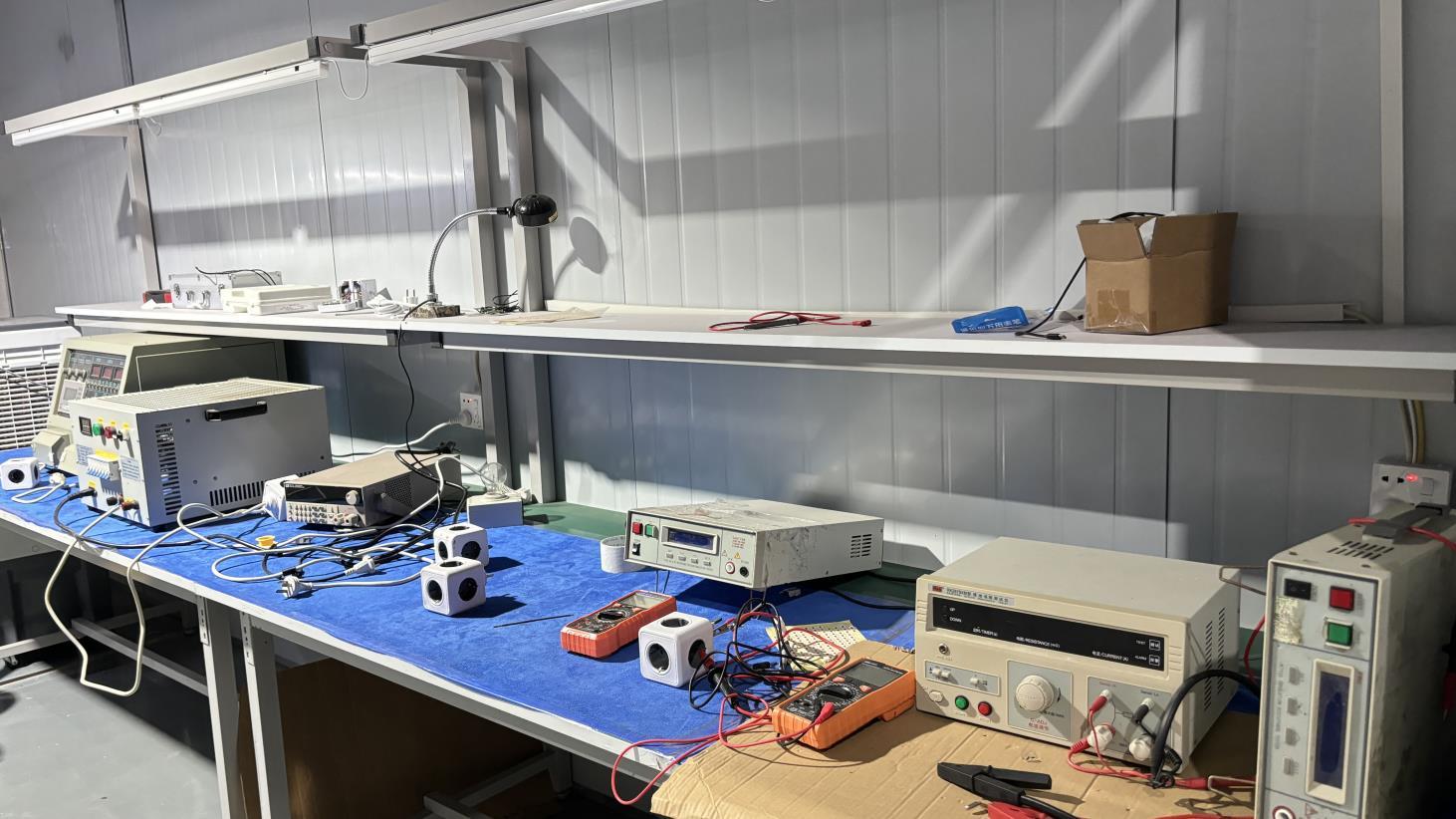
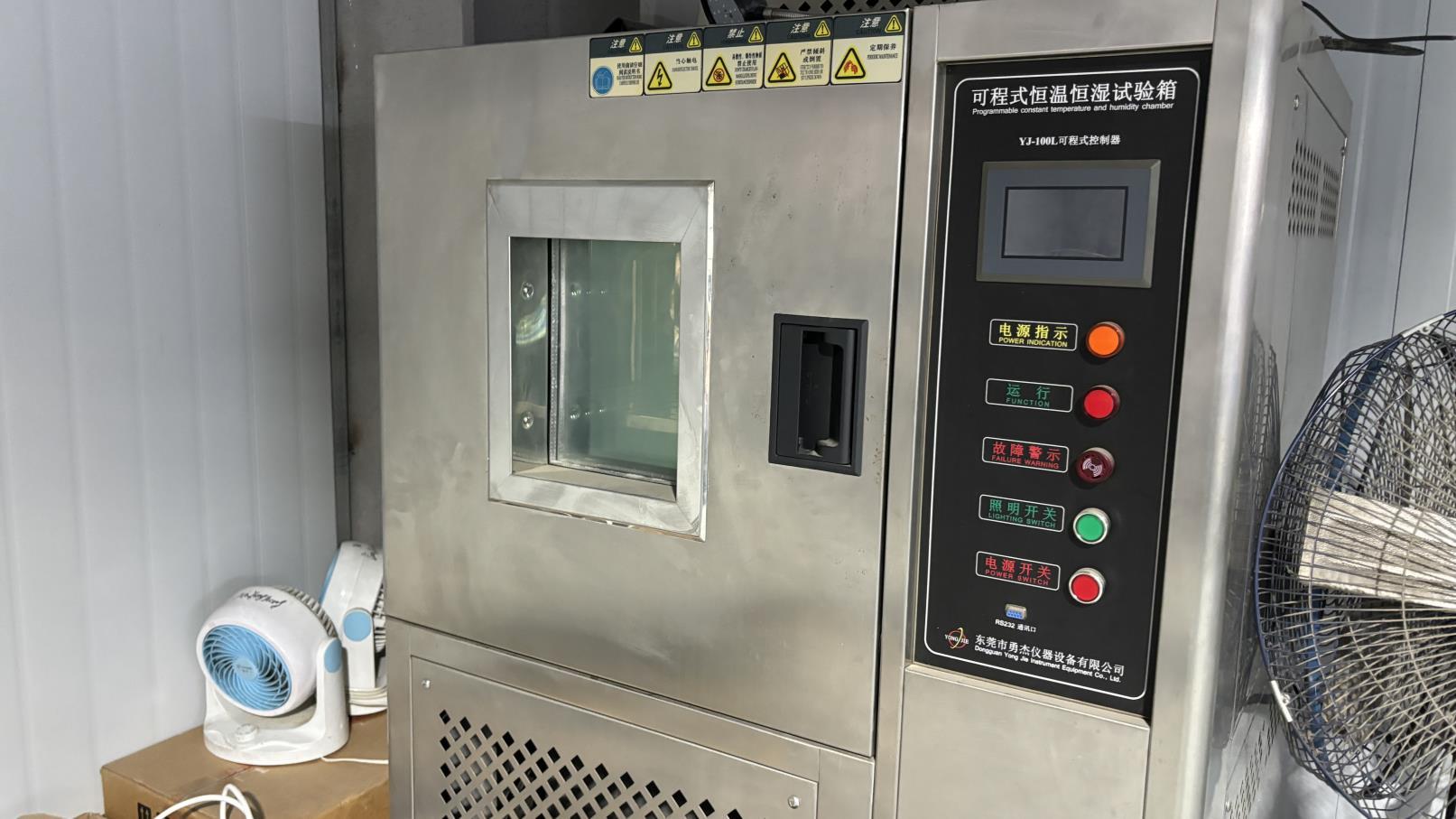
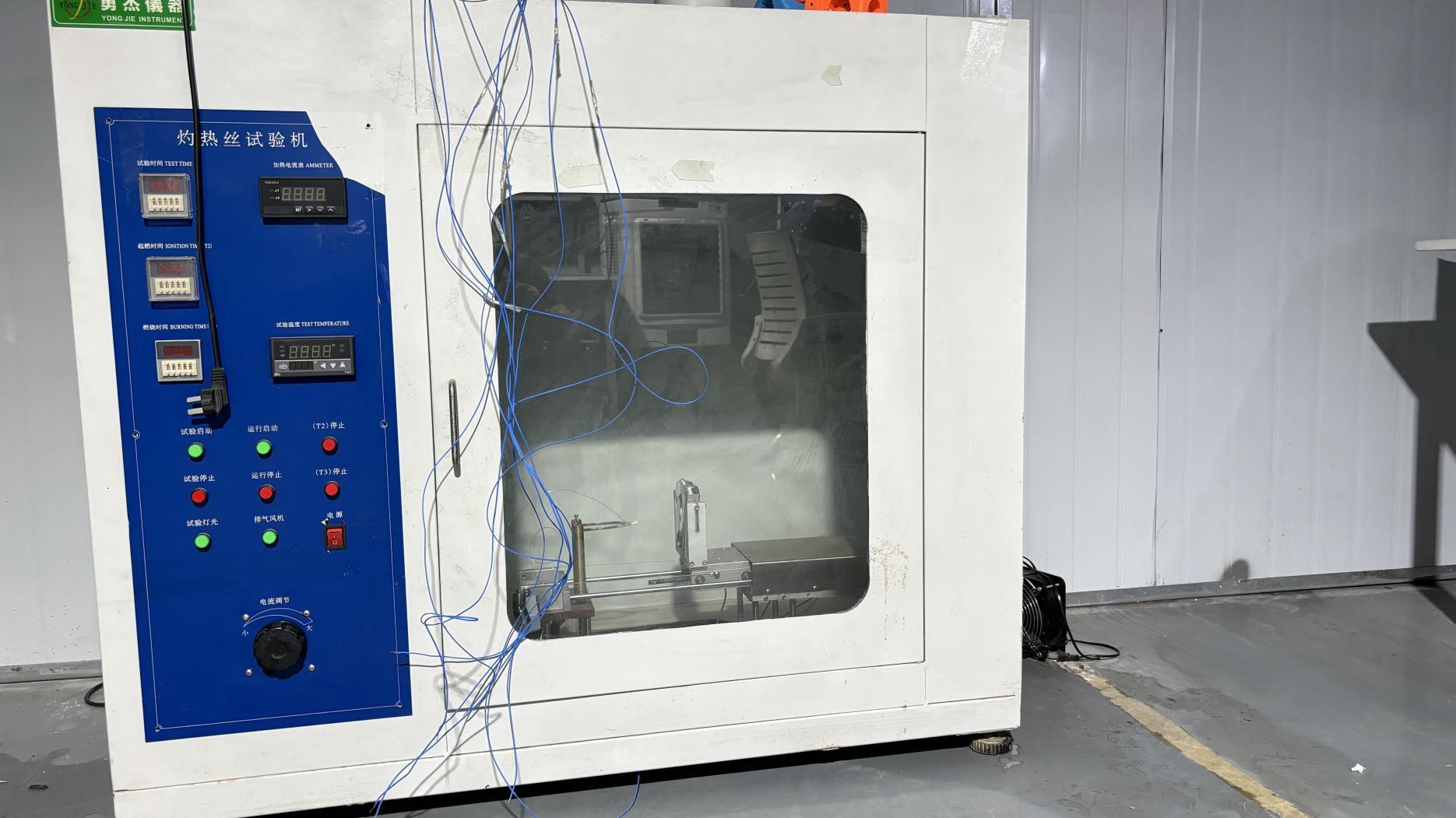
Every batch produced at Ningbo Sykra Technology Co., Ltd. undergoes rigorous Hi-Pot testing (3000V AC dielectric withstand between high-voltage primaries and low-voltage USB outputs), ground continuity verification (<0.1Ω resistance at 25A test current), full DC burn-in testing under dynamic simulated loads, and flammability glow-wire qualification. This end-to-end oversight ensures zero field recall risk for brand owners and wholesale importers.
6. Frequently Asked Questions (FAQ) for Global B2B Importers
7. Summary: Strategic Sourcing Checklist for Corporate Procurement
When placing purchase orders for multi-port USB charging station sockets, procurement committees must conduct technical due diligence. Do not finalize contracts without demanding:
- Accredited Test Reports: Confirm EN IEC 62368-1 and EN 55032/EN 55035 issued by verified testing bodies (e.g., TÜV, Intertek, SGS) matching the exact model number.
- Glow-Wire Verification: Verify that plastic materials meet IEC 60695-2-11 standards with glow-wire flammability index (GWFI) ≥ 750°C (or 850°C for parts supporting live contacts).
- Factory Audit Credential: Verify on-site factory verification reports (such as Sykra’s verified TÜV Rheinland facility audit) rather than dealing through third-party intermediaries.
- Physical Copper Specifications: Specify cable gauges of minimum 3x1.5mm² (H05VV-F) for 16A Schuko configurations to prevent voltage drops under max load.