Mongolia’s Modern Electrical Transition: The Strategic Need for Reliable USB Sockets
Mongolia’s built environment is undergoing one of the most dynamic architectural transformations in Northeast Asia. The aggressive modernization of Ulaanbaatar, alongside infrastructure investment in Darkhan, Erdenet, and the southern Gobi resource corridors (notably the Oyu Tolgoi development hub), has placed unprecedented demand on modern power distribution hardware. While historically the market relied on conventional, ungrounded dual-pin sockets or unrated adapters, contemporary residential towers, commercial offices, and industrial headquarters require sophisticated electrical endpoints. USB-integrated power sockets and smart multi-plug distribution hubs are no longer cosmetic upgrades; they have evolved into critical baseline infrastructure for commercial and residential electrical systems.
The electrical topography of Mongolia is governed predominantly by European-style CEE 7/3 (Type F Schuko) and CEE 7/4 standards operating on a 220V–230V, 50Hz single-phase distribution loop. However, harsh climatic realities—where outdoor temperatures fluctuate from -40°C in mid-winter to +35°C in dry summer conditions—create severe mechanical stress on electrical assemblies. Sockets built from conventional plastics crack, internal spring-copper clips lose tensile retention through thermal fatigue, and cheap transformer components within integrated USB modules fail due to grid micro-surges. Ningbo Sykra Technology delivers high-specification socket engineering that addresses these engineering challenges, providing Mongolian real estate developers, mining consortiums, and electrical wholesalers with components verified to international standards.
Localized Application Scenarios in Mongolia
Deploying power hardware in the Mongolian market demands understanding three distinct operational sectors:
1. High-Density Residential & Modern Apartment Developments
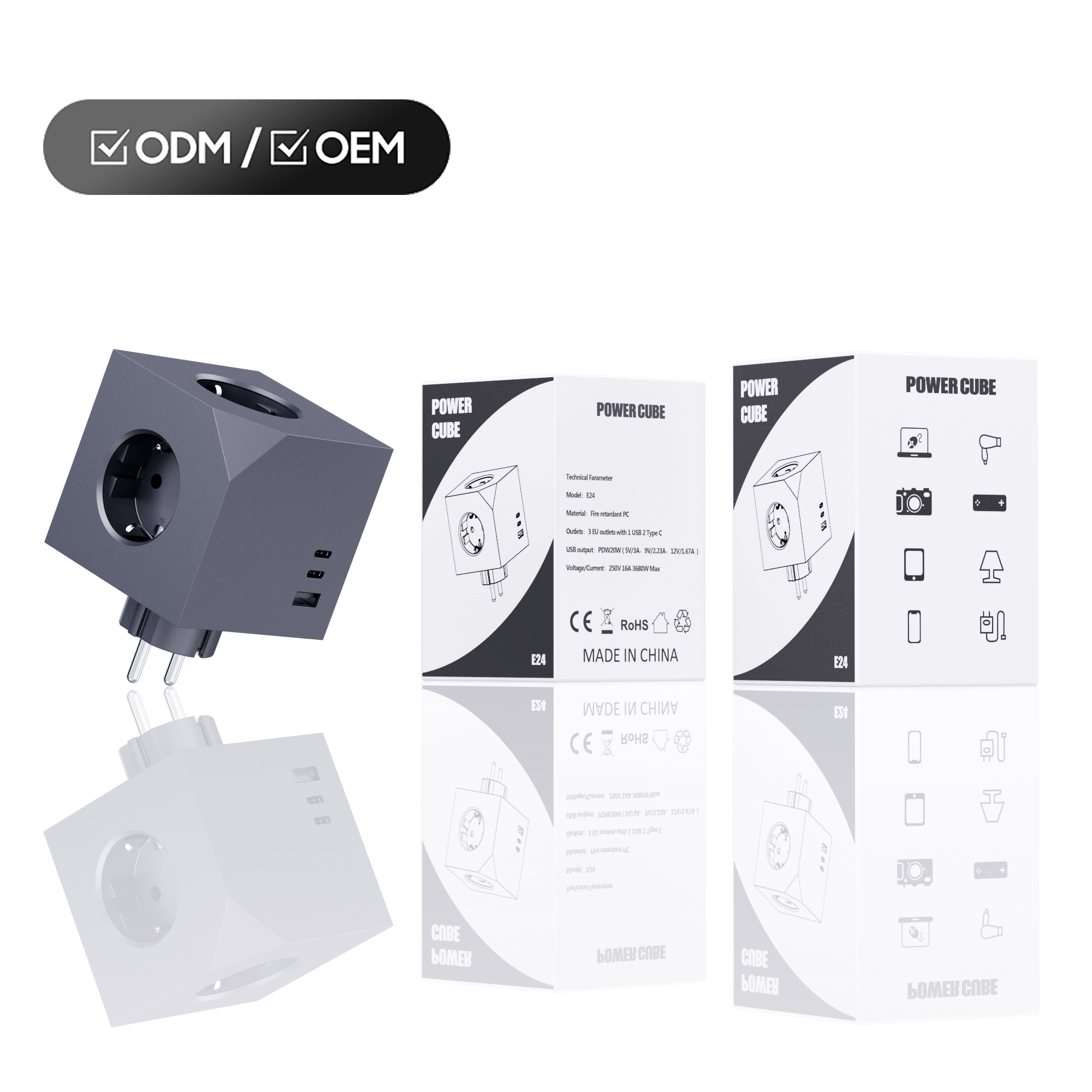
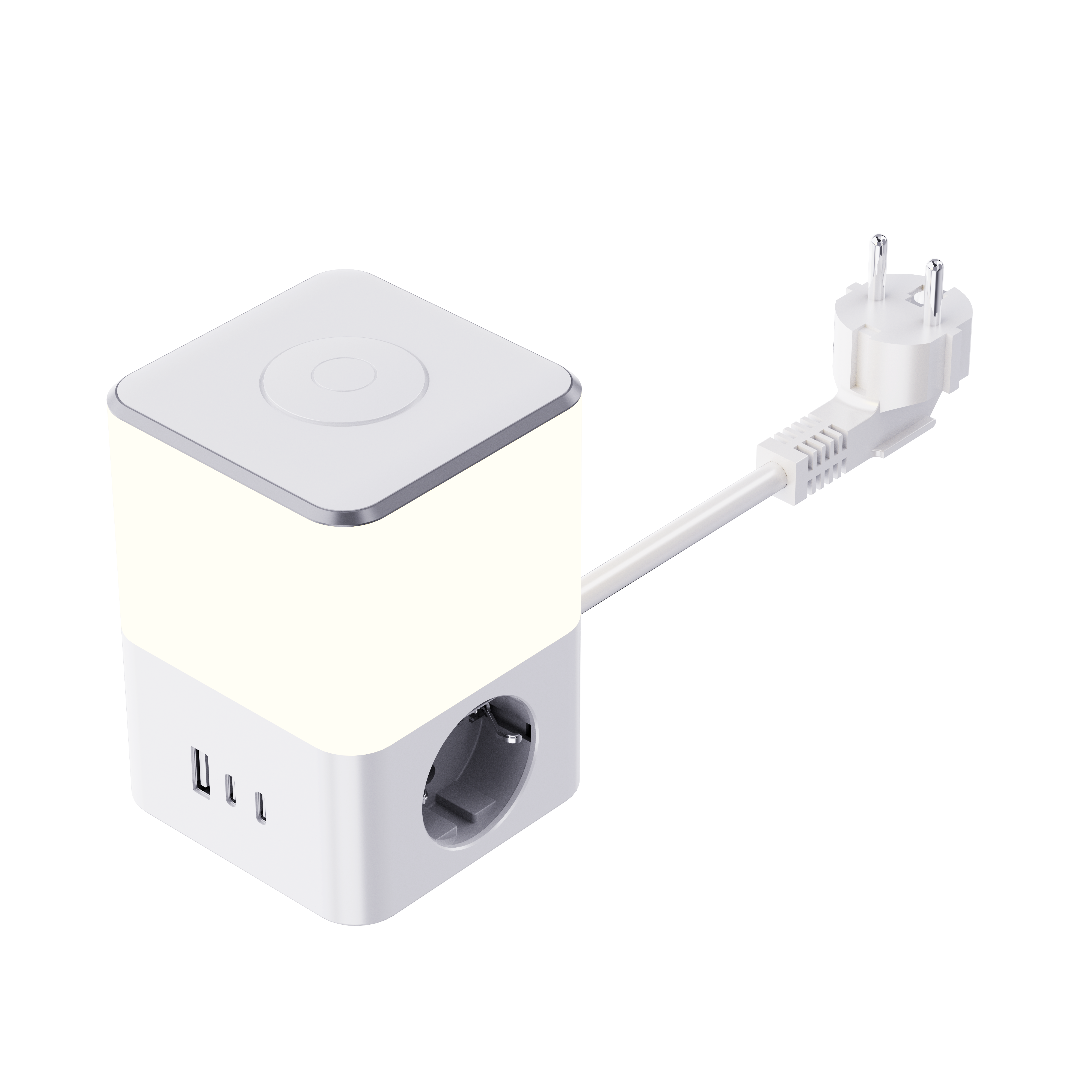
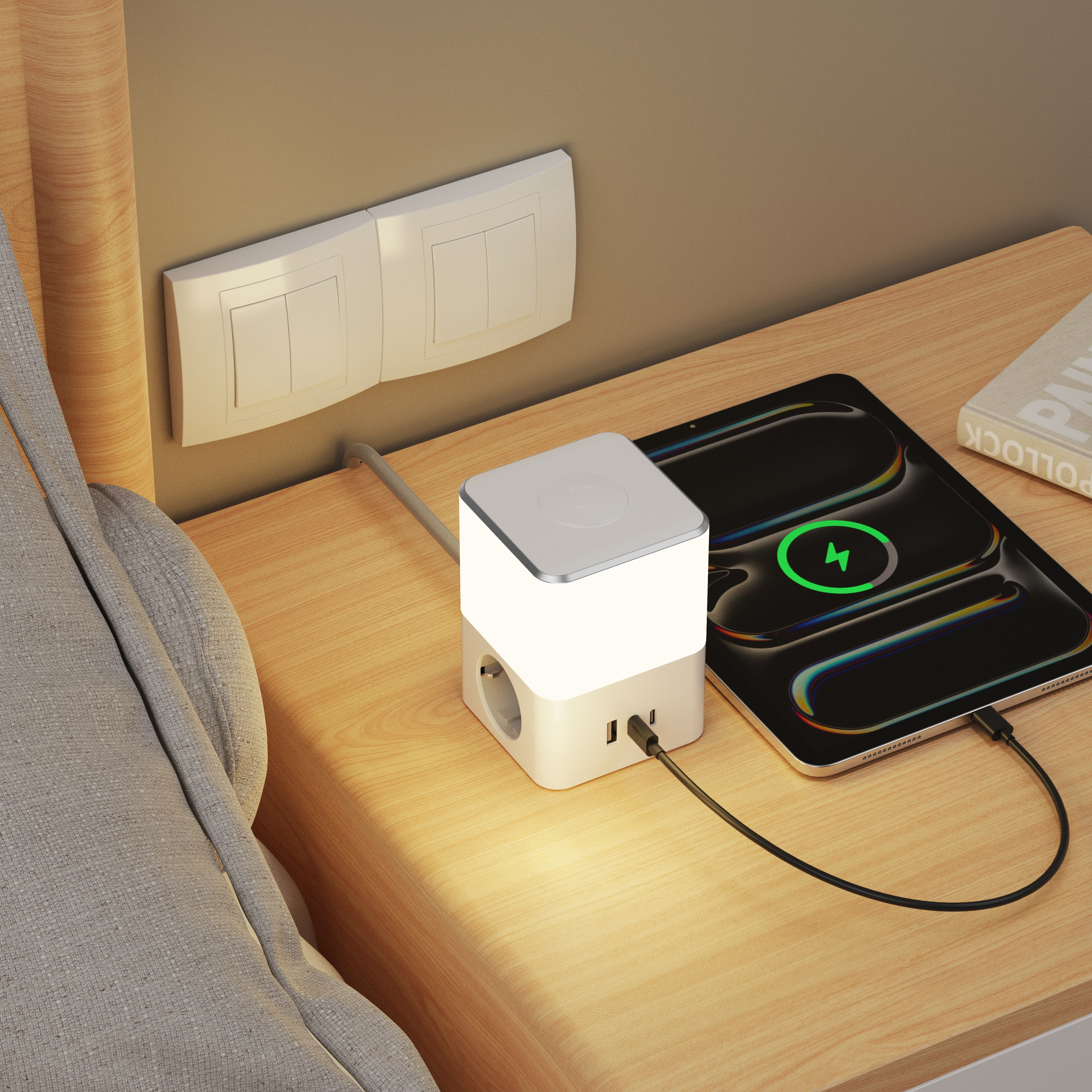
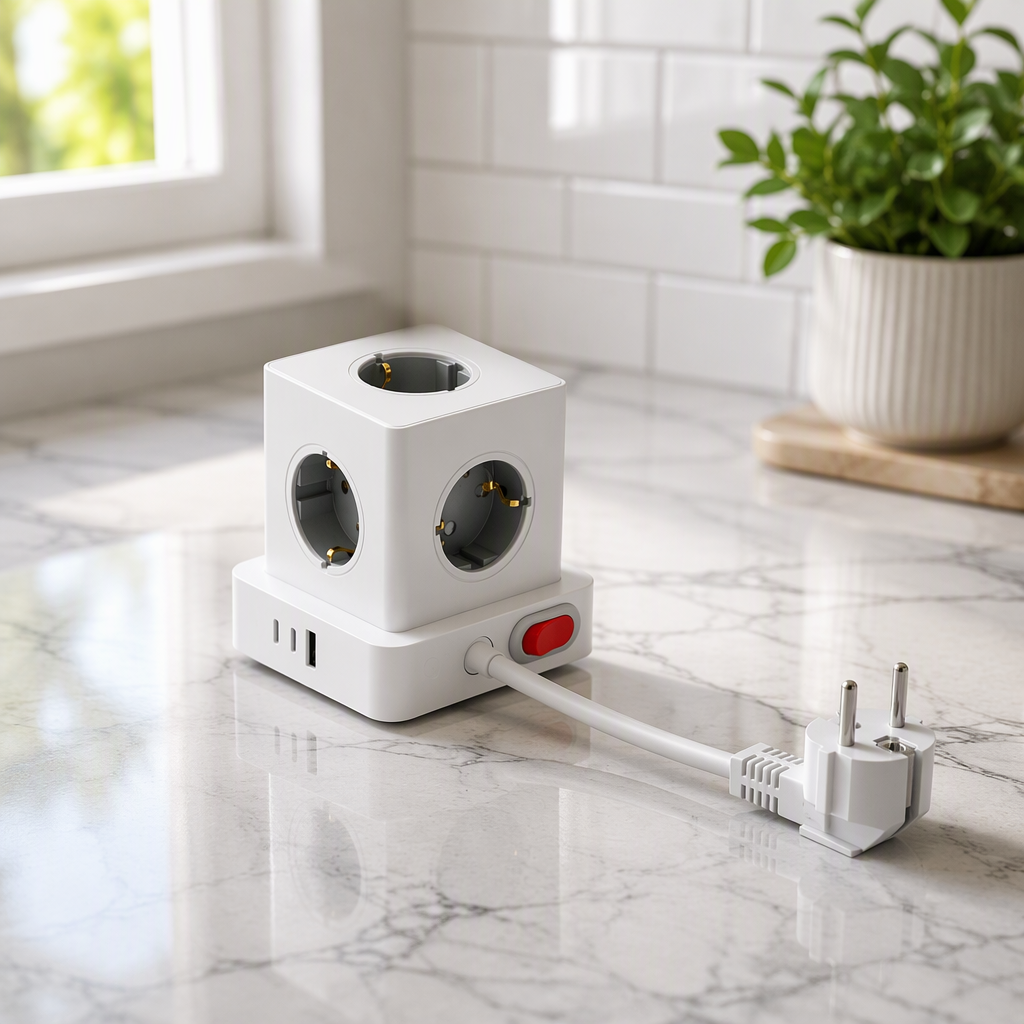
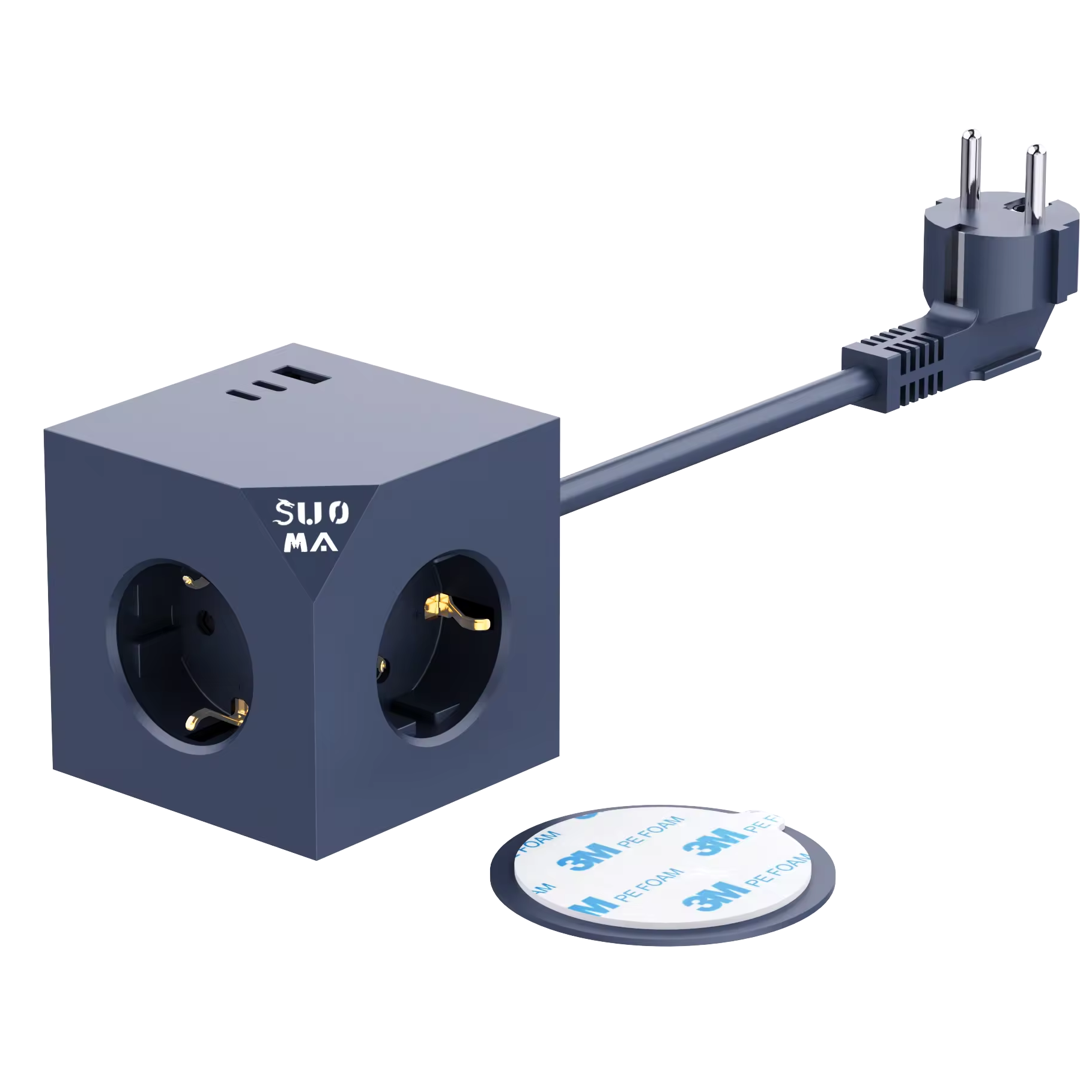
Modern residential districts in Ulaanbaatar (such as Khan-Uul and Zaisan) have shifted consumer expectations toward smart, decluttered living environments. The integration of PD20W and PD25W USB-A + USB-C wall modules and Rubik's Cube multi-plug adapters resolves the persistent problem of wall-outlet congestion. Homeowners charge multiple smart devices, tablets, and wearable electronics without requiring bulky external AC bricks. Furthermore, our models feature integrated 750°C glow-wire resistant polycarbonate casings, mitigating electrical fire risks inside centrally heated high-rise buildings where internal humidity can dip below 15% during deep winter.
2. Commercial HQ, Co-Working Hubs & Mining Field Logistics
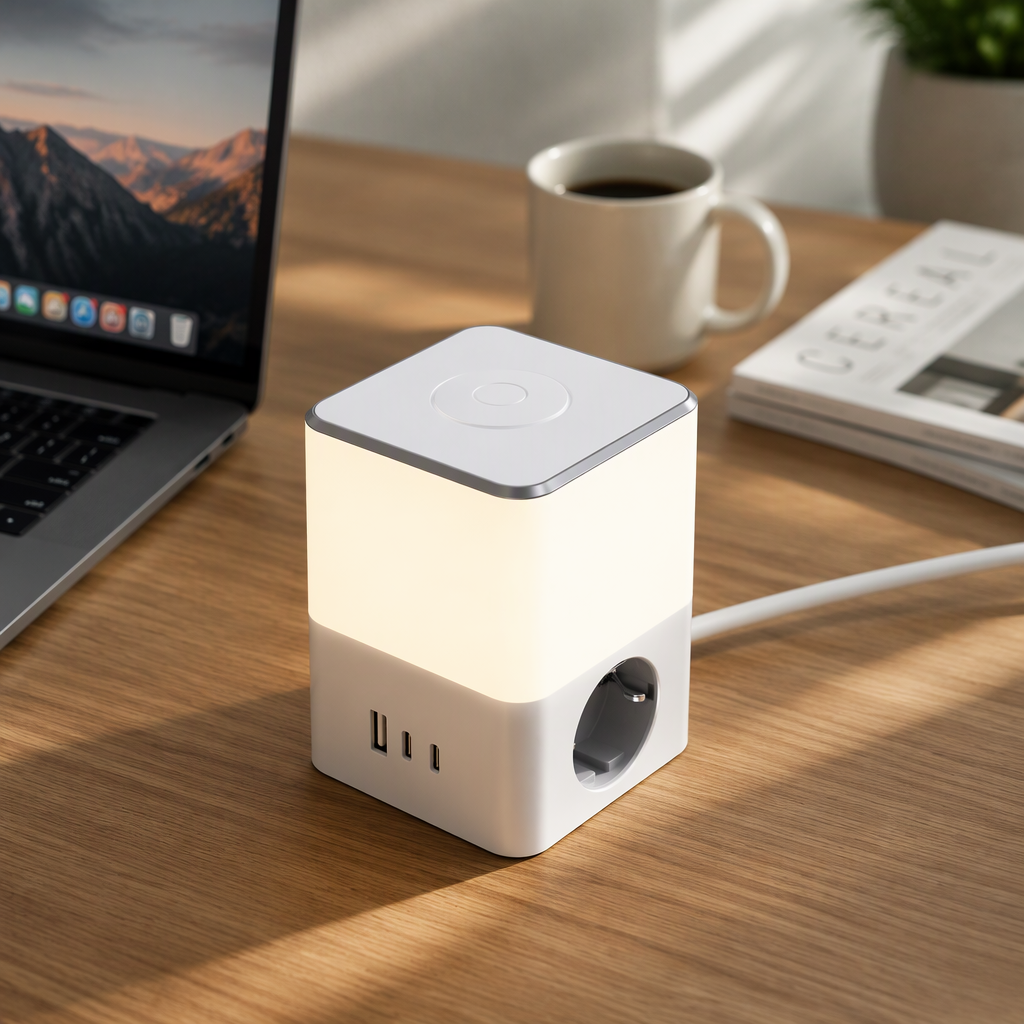
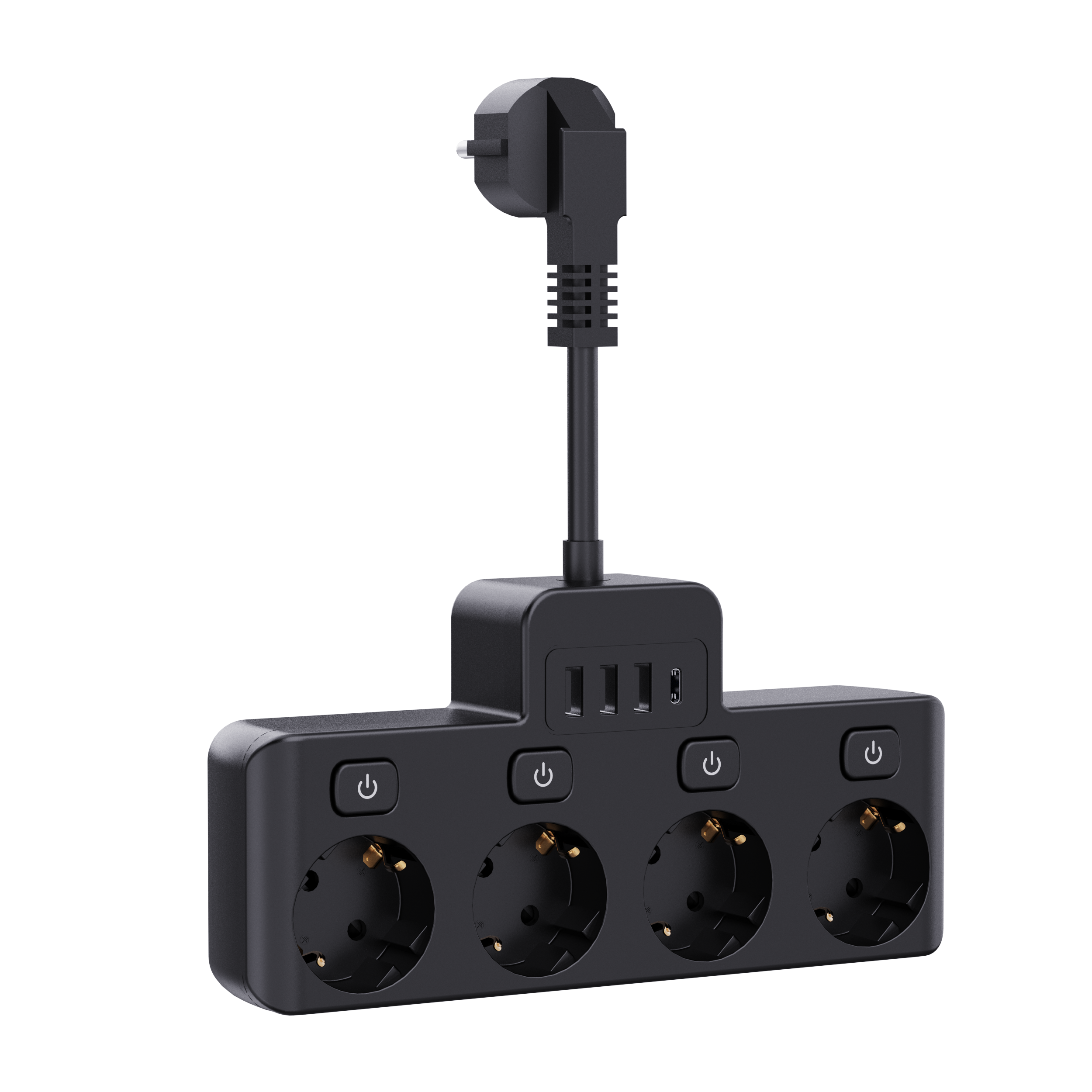
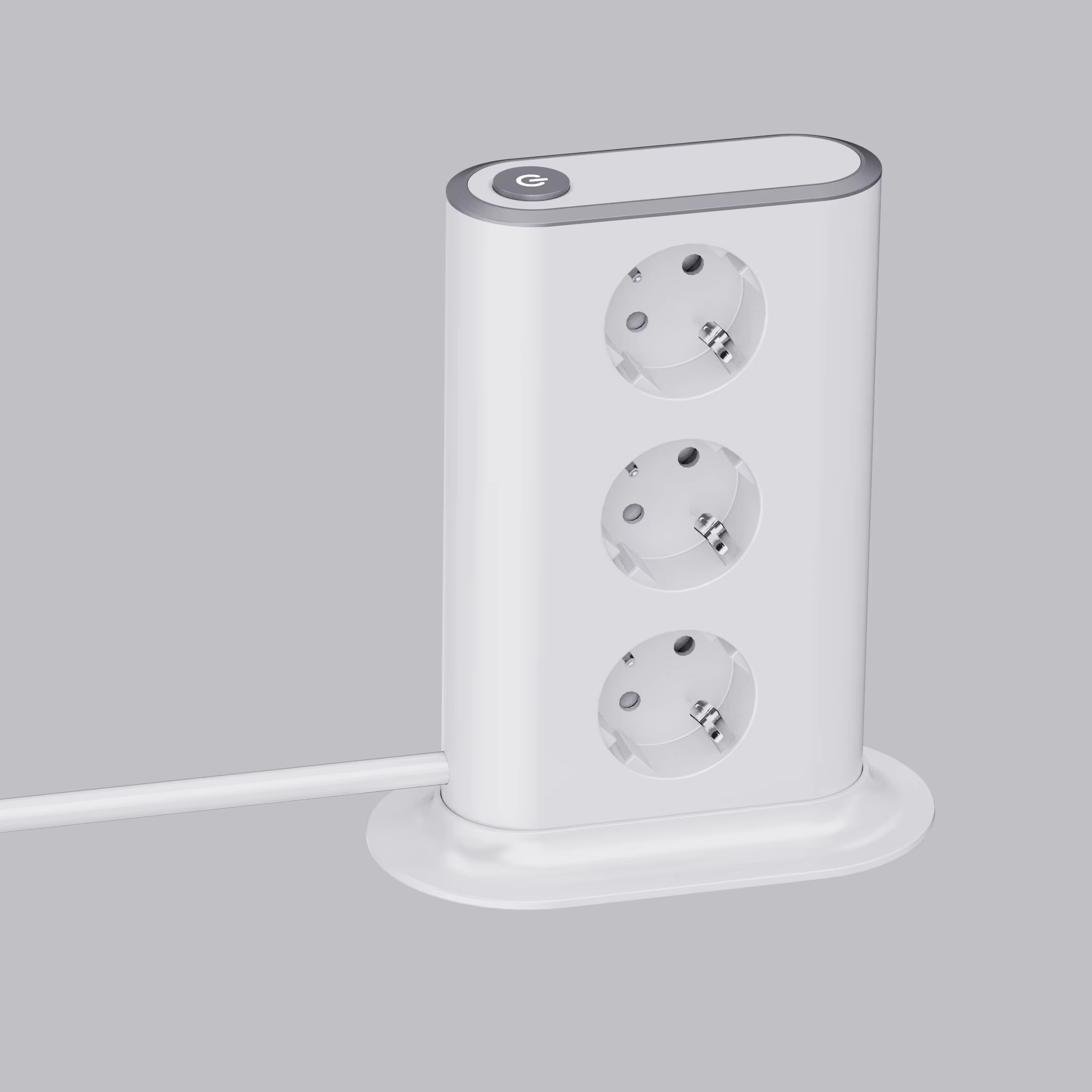
Commercial operations require high continuous load tolerances. In the central business districts of Ulaanbaatar and the site engineering facilities supporting the mining industry in Omnogovi, desktop workstations must reliably power enterprise laptops, dual-display monitors, telecommunications switches, and testing equipment. Our PD65W Tabletop 5-Outlet Socket hubs feature built-in GaN fast-charging controllers that negotiate power delivery directly over Type-C, eliminating secondary power supplies. Their integrated MOV (Metal Oxide Varistor) surge suppression protects sensitive electronics against line voltage fluctuations common in regional heavy-industry grids.
3. Educational Institutions, Medical Facilities, and Hospitality
Mongolian boutique hotels, luxury ger resorts, and modern clinics demand quiet, compact, multi-functional hardware. Sockets with integrated tri-color touch-dimmable night lights provide soft ambient illumination for guests and patients without drawing excess power. Tamper-proof internal safety shutters (engineered with a dual-pin 75 Newton bypass resistance) prevent foreign object insertion, protecting children and non-technical staff.
Current Trends in the Mongolian Electrical Hardware Market
The procurement landscape for electrical accessories in Mongolia has evolved significantly over the past five years:
- Consolidation to the CEE 7/3 (Schuko) Standard: While mixed Soviet-era GOST dual-pin standards and Chinese-style angled blades were once pervasive, modern Mongolian technical building codes enforce strict grounding protocols. The CEE 7/3 (Schuko) outlet system, featuring side-grounding clips and deep recessed pin wells, is now the de facto engineering standard for new municipal construction approvals.
- Obsolescence of Low-Current Standalone USB-A: Legacy 5V/1A or 5V/2.4A USB modules are declining in buyer preference. Procurement directors are standardizing on multi-protocol controllers offering USB Power Delivery (PD 3.0) and Quick Charge (QC 4.0+) capable of dynamic voltage negotiation (5V, 9V, 12V, 15V, and 20V steps).
- Energy Management and Isolation Switches: With rising commercial utility tariffs in major urban centers, extension strips and modular sockets with isolated micro-break switches have seen a steep increase in demand. End-users prioritize hardware that completely cuts vampire draw from idle peripherals.
- Demand for High Quality and Fire Safety: Severe winter conditions place higher electrical heating loads on shared power circuits. Substandard sockets frequently overheat, resulting in terminal degradation. Wholesale buyers now demand third-party safety verifications—such as GS marks, CE certifications under LVD (2014/35/EU) and EMC (2014/30/EU), and RoHS testing—over unbranded alternatives.
Technical Specifications & Architectural Compatibility
Every product exported from our Ningbo manufacturing facility to Mongolia complies with strict electrical and physical tolerances:
- Rated AC Current: 16A nominal, 250V~, accommodating continuous loads up to 3,680W (tested up to 4,000W peak threshold).
- Core Conductor Architecture: High-grade phosphor bronze / pure electrolytic copper stamping bars, manufactured as an integrated busbar to eliminate the cold-solder joint resistance common in wire-soldered budget strips.
- Internal Safety Shutters: High-rigidity nylon interlocks preventing single-pole insertion with a certified 75N mechanical resistance barrier.
- Thermal Plastic Construction: Virgin Bayer/SABIC fire-retardant PC/ABS passing UL94 V-0 and IEC 60695-2-11 glow-wire tests at 750°C to 850°C.
- DC Transformation Efficiency: High-frequency flyback transformer topologies featuring synchronous rectification with over-voltage, short-circuit, and over-temperature automated cutoff.