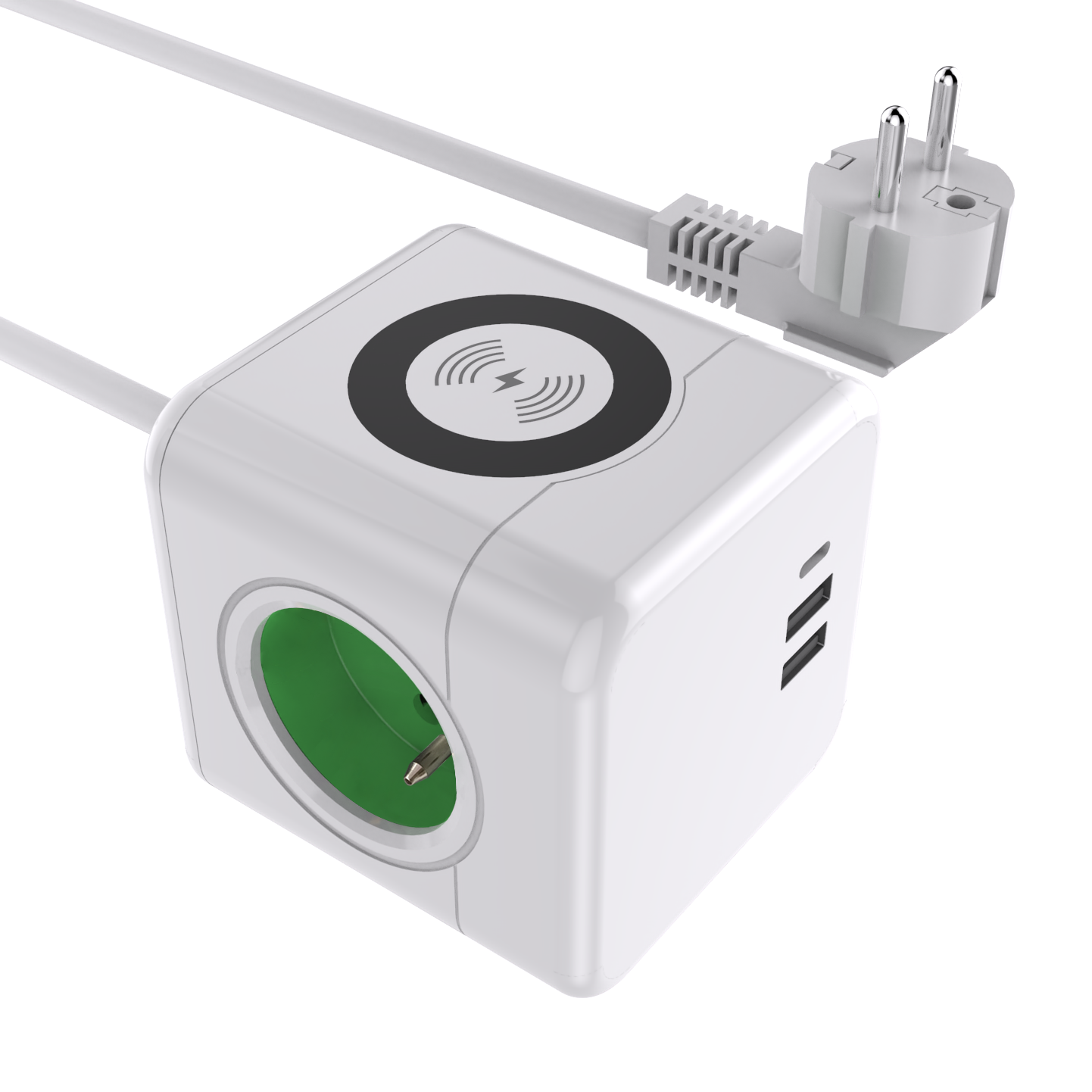
Factory-Direct Lineup
Engineered Surge Protection & Modern Power Solutions
Explore our export-grade power distribution hardware, integrating heavy-duty metal oxide varistors (MOVs), USB-C Power Delivery, and multi-tier thermal fuse safety cutoffs.
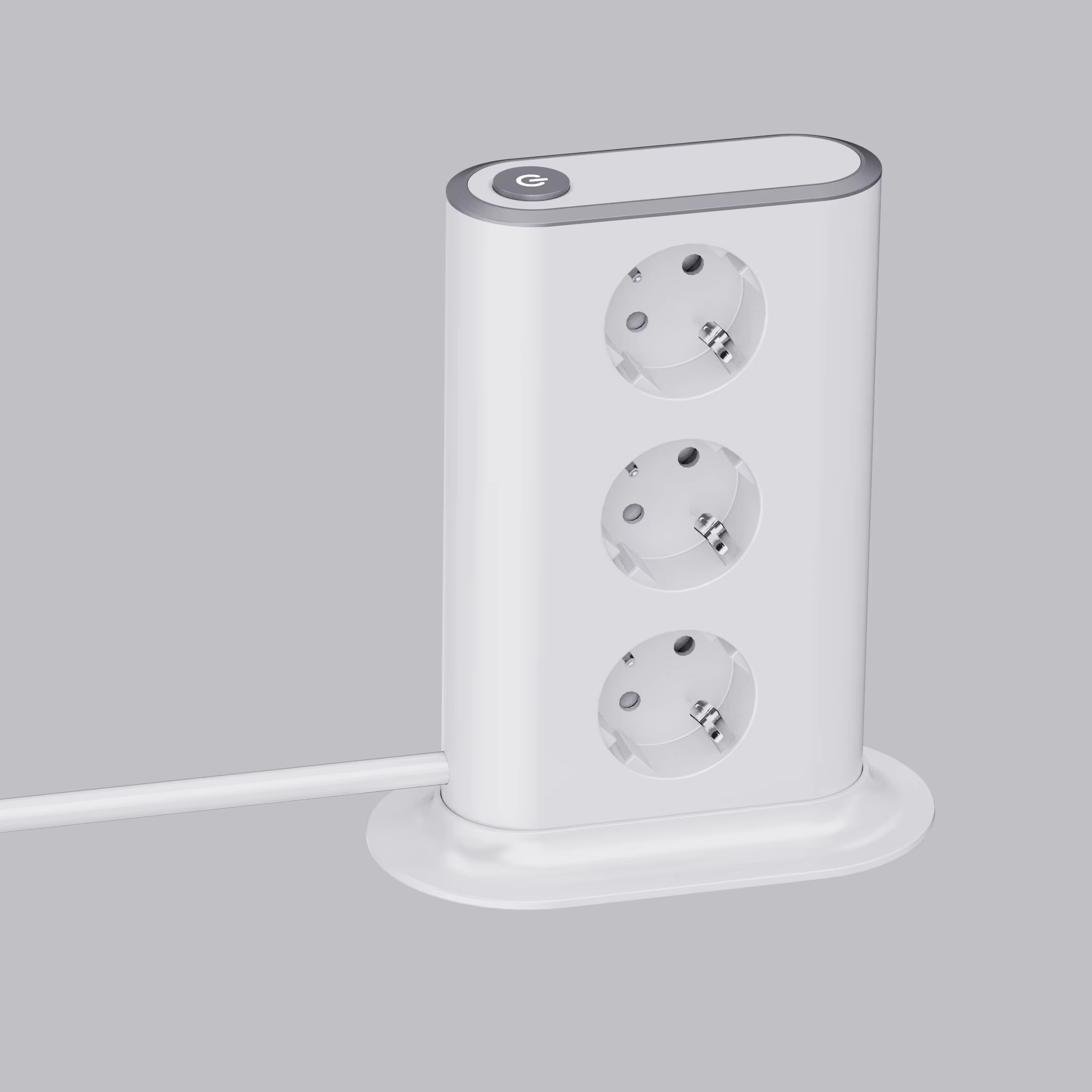
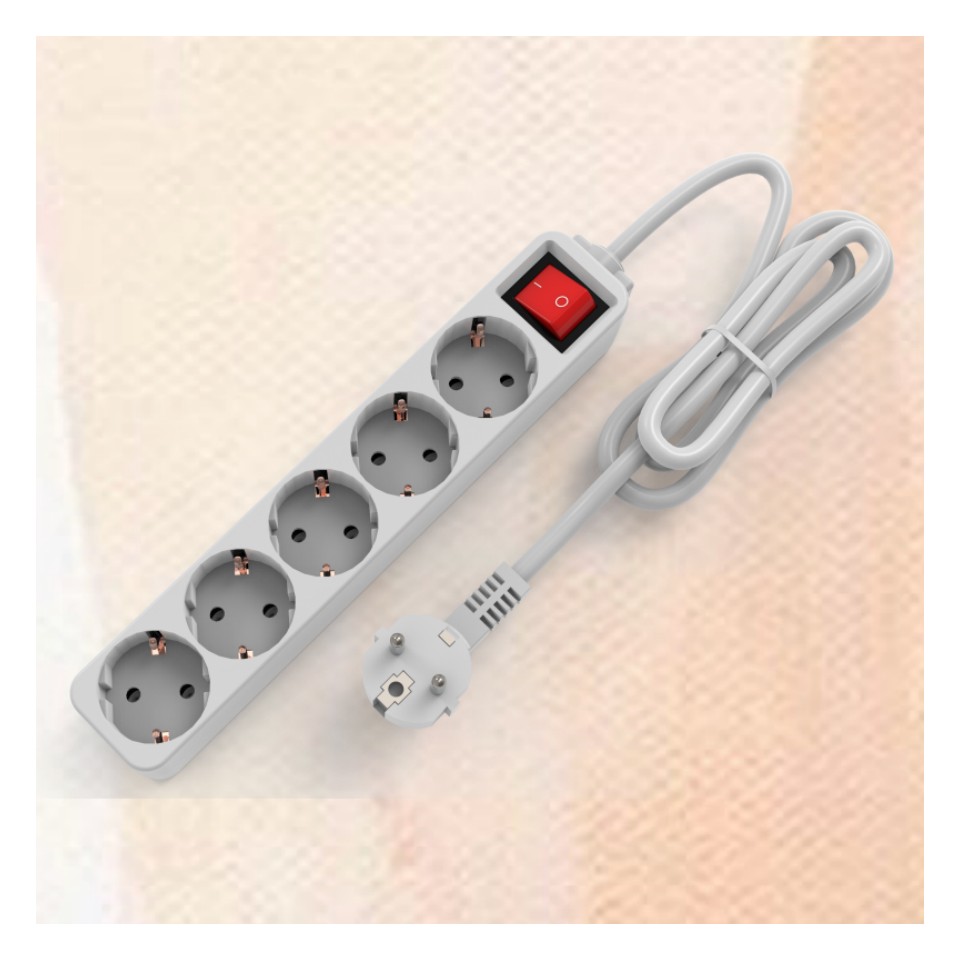
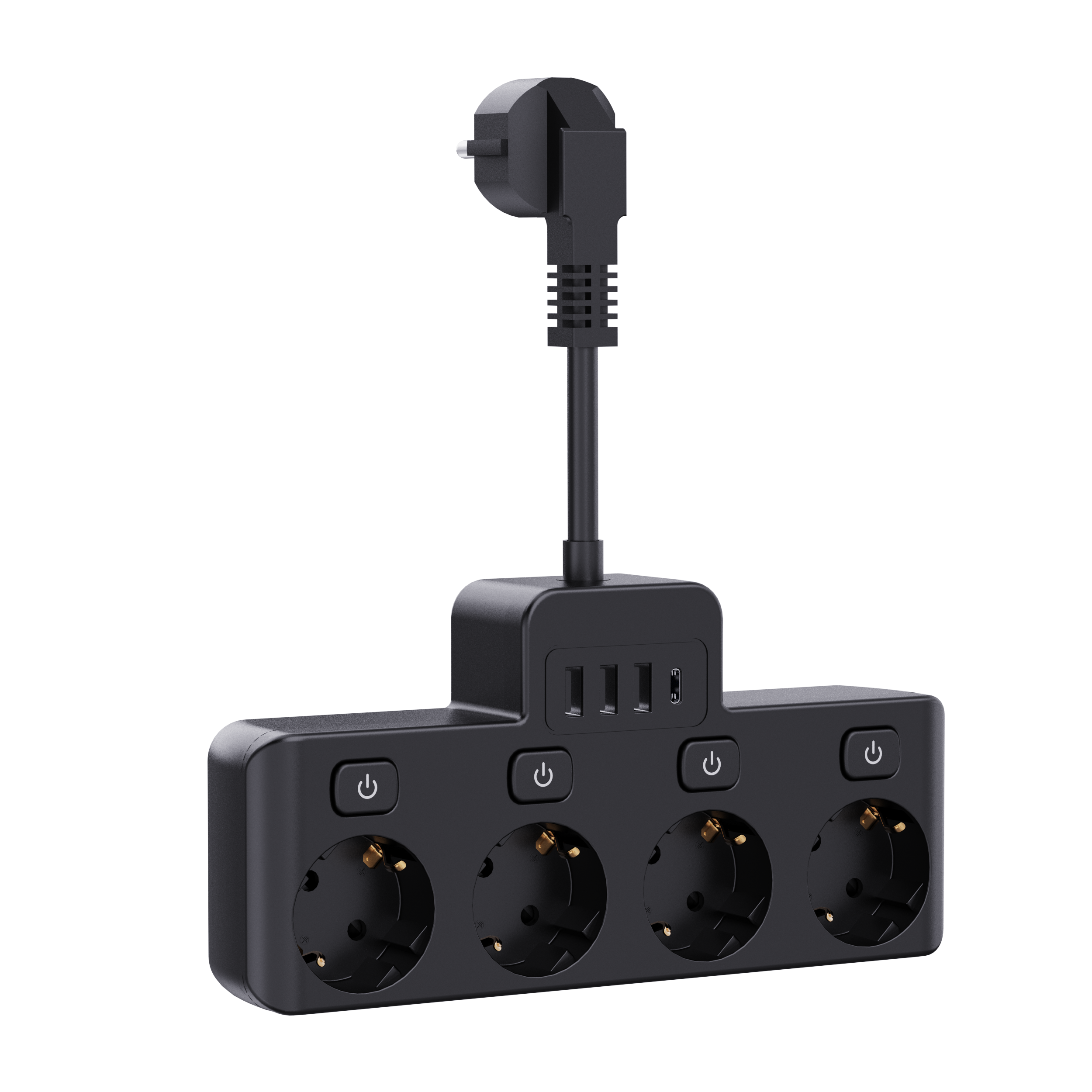
Whitepaper: Industrial-Grade Surge Suppression Architecture for Japan's Complex Power Grids
Navigating the electrical framework of Japan requires a profound appreciation of unique technical dynamics. Sourcing power delivery hardware for the Japanese archipelago requires more than standard circuit isolation; it demands precision engineering tuned to a bifurcated frequency infrastructure (50 Hz across Eastern Japan including Tokyo, and 60 Hz across Western Japan including Osaka and Nagoya), operating on an ultra-compact single-phase nominal voltage of 100V. As a specialized original design and equipment manufacturer (ODM/OEM) operating from a state-of-the-art 5,200 m² facility audited on-site by TÜV Rheinland, Ningbo Sykra Technology delivers advanced surge suppression sockets engineered explicitly to mitigate high-transient overvoltage occurrences, micro-spikes, and lightning anomalies without risking equipment downtime or thermal runaway.
Modern commercial and residential environments in Japan—from robotics-dense manufacturing cells to high-density smart apartments—face significant risks from electrical noise and sudden grid fluctuations. Standard consumer power strips utilize entry-level varistors that rapidly degrade when exposed to continuous sub-breakdown voltage stresses. Our production line integrates high-joule Metal Oxide Varistors (MOVs) paired with rapid-response Gas Discharge Tubes (GDTs) and internal thermal cutoffs (TCO). This triple-stage suppression network provides a sub-nanosecond response window (<1ns), effectively diverting lightning-induced voltage surges up to 10,000A harmlessly away from sensitive microprocessors, enterprise edge computing servers, and domestic appliances.
Comparative Technical Analysis: Standard Commercial Strips vs. Sykra Industrial Surge Modules
To provide clear visibility for B2B procurement managers, technical directors, and electrical wholesalers serving the Japanese consumer and industrial base, the engineering comparison matrix below details the structural contrasts between baseline market offerings and our heavy-duty surge-protected sockets.
| Evaluation Parameter | Standard Commercial Strips | Sykra Industrial Surge Protection Sockets | Functional Impact on Japanese Equipment |
|---|---|---|---|
| Internal Conductor Construction | Segmented spot-welded brass wires or stamped thin bronze sheets (0.4mm) | Unified integrated phosphor-bronze busbars (0.6mm - 0.8mm single-piece stamping) | Eliminates high-resistance solder hotspots, dramatically reduces localized resistive heating, and sustains 10,000+ insertion cycles without tension fatigue. |
| Transient Suppression Array | Single discrete MOV (150V - 200V clamping, basic rating ~300 Joules) | Multi-stage coordinated matrix (MOV + Gas Discharge Tube + Thermal Fuse, >1,800 Joules) | Absorbs catastrophic transient spikes caused by regional lightning strikes while actively suppressing subtle harmonic noise across dual 50Hz/60Hz grids. |
| Enclosure Fire Retardancy | General ABS or low-grade recycled polycarbonate (UL94-HB or V-2) | 100% Virgin Bayer flame-retardant Polycarbonate/ABS blend rated UL94 V-0 (750°C Glow-Wire compliant) | Completely self-extinguishes within 10 seconds of direct ignition exposure; zero flaming drips, satisfying rigorous PSE and fire-safety covenants. |
| Overcurrent & Thermal Safety | Simple spring-loaded rocker switch without bimetallic breaker | Hydraulic-magnetic or bimetallic resettable circuit breaker combined with localized thermal fuse | Prevents insulation degradation and smoldering fires caused by cumulative electrical overloads in high-density office or residential environments. |
| Tracking Resistance (Tracking Index) | Comparative Tracking Index (CTI) < 175V (Material Group III) | Comparative Tracking Index (CTI) ≥ 250V up to 600V (Insulated plug base and partition barriers) | Neutralizes tracking fires—a critical fire hazard in humid coastal Japanese zones caused by carbon path accumulation between plug prongs. |
Localized Application Scenarios in Japan: Where Precision Surge Protection Is Non-Negotiable
Engineering power distribution hardware for Japanese end-users requires understanding the unique space constraints, architectural configurations, and environmental elements distinct to Japan. From tight Tokyo metropolitan high-rises to legacy post-and-beam machiya structures in Kyoto and precision lab environments in Osaka, Sykra power solutions integrate into diverse environments with uncompromising reliability.
Tokyo High-Density Studio Apartments (1R / 1K Layouts)
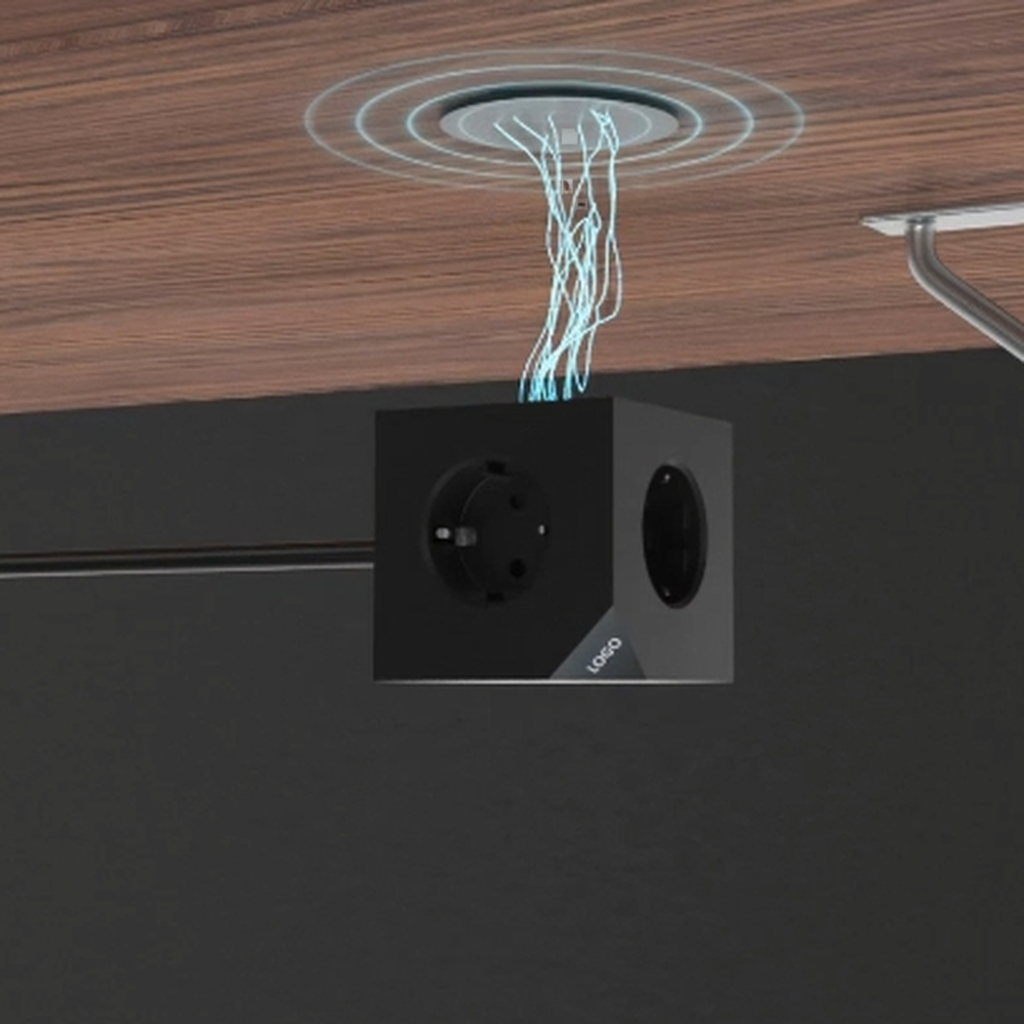
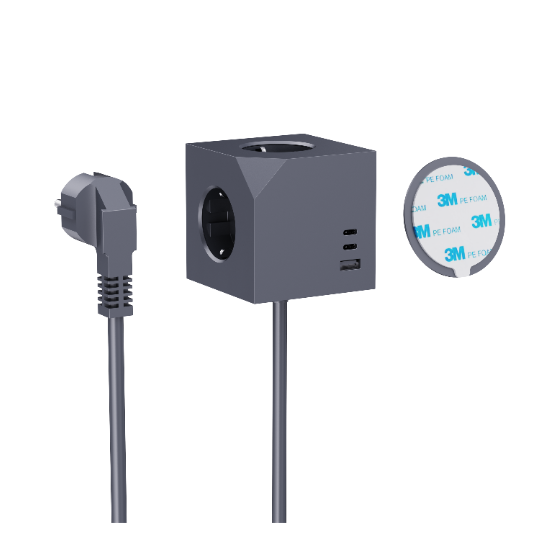
Urban real estate in Tokyo and Yokohama demands maximal spatial efficiency. Wall outlets are often positioned behind entertainment units, low-profile futons, or narrow desks. Our 360-degree rotating wall socket extenders and magnetic multi-outlet cubes enable flush mounting against wall baseboards, preventing wire crimping while simultaneously delivering USB-C PD fast charging and comprehensive MOV surge protection.
Automated Manufacturing & SMT Cleanrooms (Kanagawa & Aichi)
Japan's high-tech industrial base relies heavily on Programmable Logic Controllers (PLCs), high-speed optical inspection rigs, and surface-mount lines. Grid switching spikes from adjacent CNC machines can induce logic errors in microcontrollers. Our multi-outlet surge protective units isolate sensitive cleanroom test setups, filtering line-to-line and line-to-ground noise before it impacts production uptime.
Hotels, Ryokans & Co-Working Spaces (Kyoto, Osaka & Fukuoka)
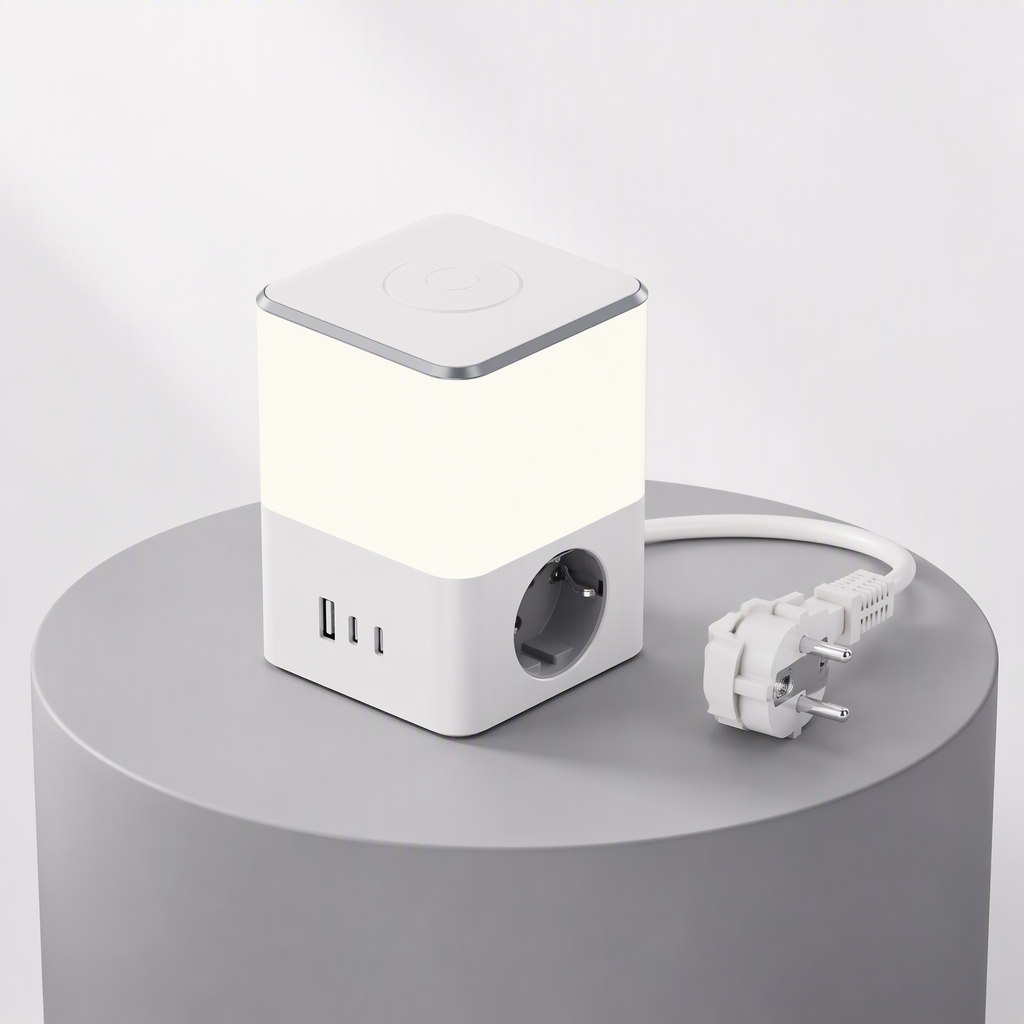
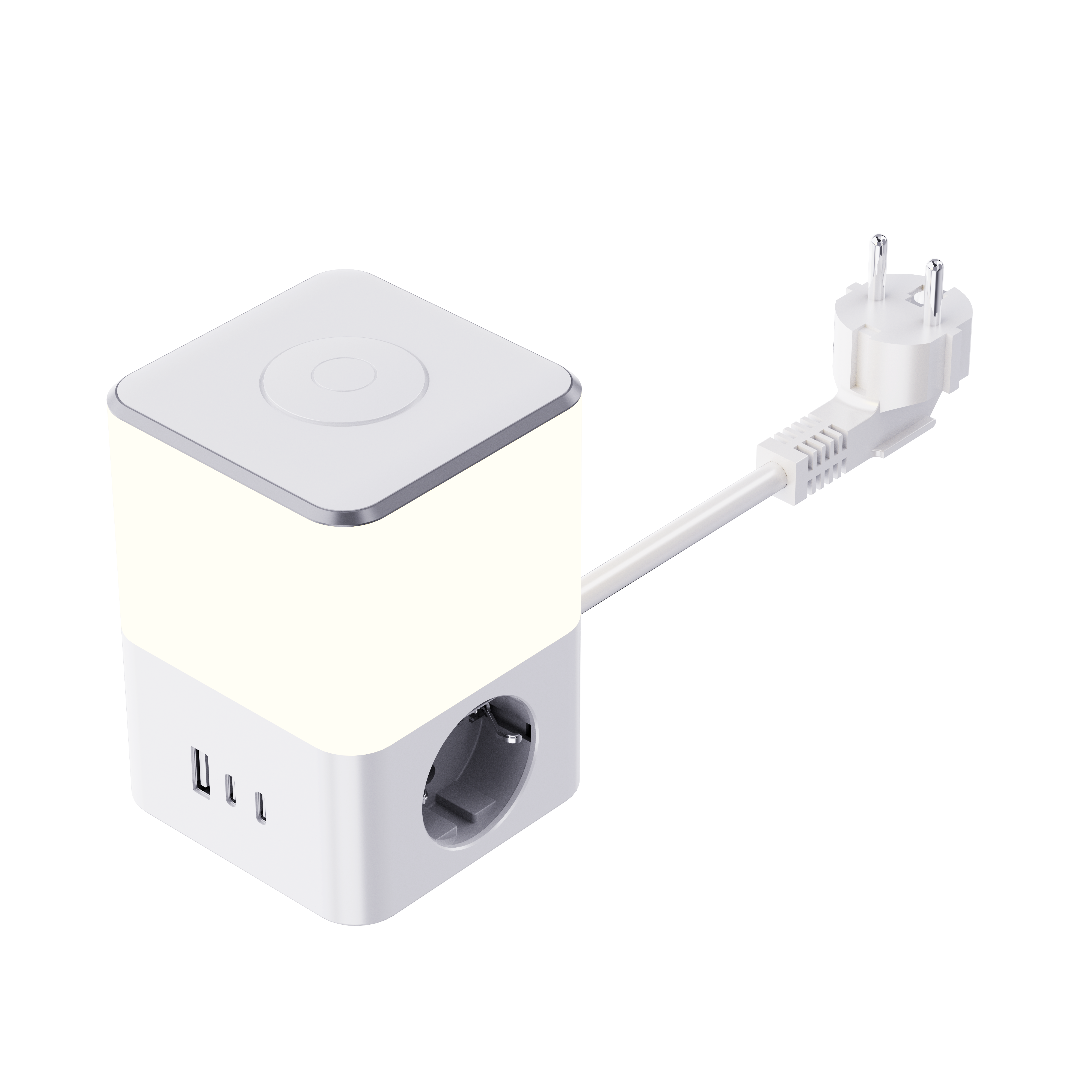
International and domestic travelers carry diverse mobile devices requiring varying charging protocols. Our integrated night light sockets and pop-up furniture eject sockets offer travelers intuitive, soft-touch ambient illumination along with PD-enabled fast-charging ports, while integrated child-safety shutters protect against unintended foreign-object insertion.
Earthquake Resilience & Seismic Stability Integration
In seismic-active zones across the Japanese islands, mechanical shock and sudden structural vibration can shake loose wall adapters, causing arcing across exposed terminals. Sykra designs feature high-retention phosphor-bronze contact leaves engineered to maintain consistent clamping pressure (exceeding 8N per blade) even under seismic agitation, preventing loose arcs and potential fire hazards.
Emerging Trends in Japan’s Electrical & Power Distribution Landscape
As Japan transitions toward Society 5.0 and advances toward net-zero carbon operational benchmarks by 2050, the demand for conventional power strips is rapidly shifting toward intelligent, energy-transparent, and miniaturized power hubs. Procurement teams must anticipate these evolving regulatory and commercial dynamics:
Integration of Gallium Nitride (GaN) Power Delivery
Traditional silicon-based transformer blocks generate excessive heat, requiring larger enclosures. Japanese consumers favor compact, portable form factors. Sykra is leading the integration of GaN III fast-charging architecture into multi-outlet desktop arrays, achieving up to 67W laptop charging efficiency directly from the power strip without bulky external adapters.
Zero-Standby Power & Individual Micro-Switching
Under Japan’s Top Runner Program and heightened corporate energy conservation initiatives (Setsuden), eliminating phantom power loads is paramount. Our power strips feature dedicated per-outlet bi-polar disconnection switches, allowing users to isolate individual peripheral circuits without uncoupling cords from their receptacles.
Smart IoT Connected & Matter-Over-Thread Protocols
Future iterations of surge-protected strips are integrating power monitoring micro-controllers compatible with home automation frameworks, enabling real-time telemetry over energy consumption and alerting users via app when MOV protection capacity is nearing exhaustion after cumulative high-voltage events.
Advanced Manufacturing Architecture: Complete In-House Process Control
Unlike trading entities that rebrand outsourced white-label hardware, Ningbo Sykra Technology Co., Ltd. controls the full vertical production chain from our facility in Ningbo, Zhejiang. By maintaining total ownership of tool fabrication, raw material verification, thermoplastic injection, terminal welding, and automated quality testing, we ensure that every unit meets strict international standards.
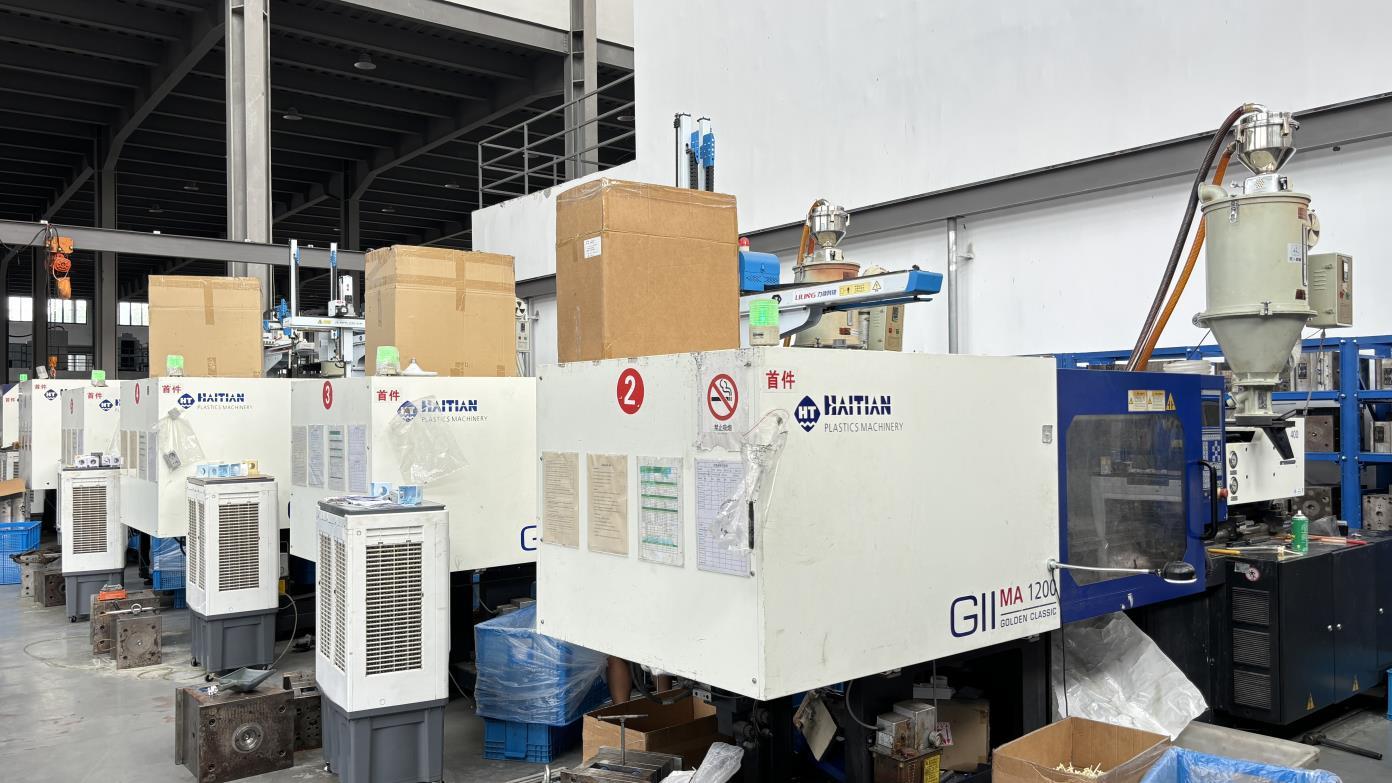
Precision Thermoplastic Injection Molding
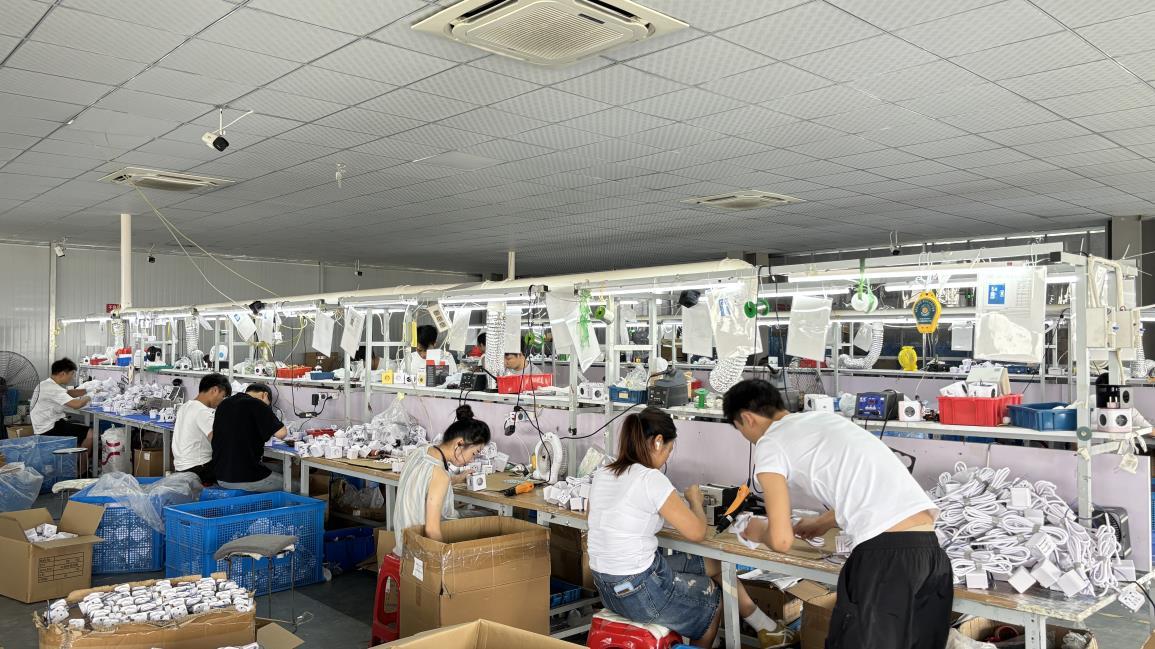
Lean Semi-Automated Clean Assembly Lines
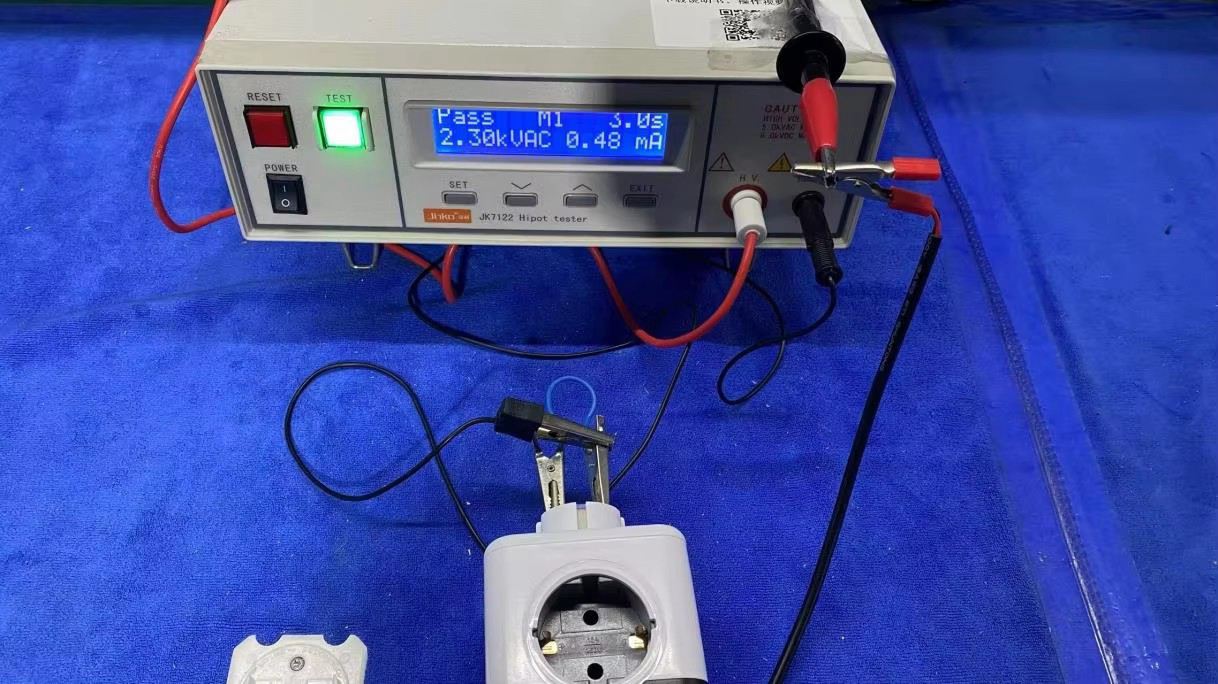
Dielectric Withstand & Hi-Pot Testing Rigs
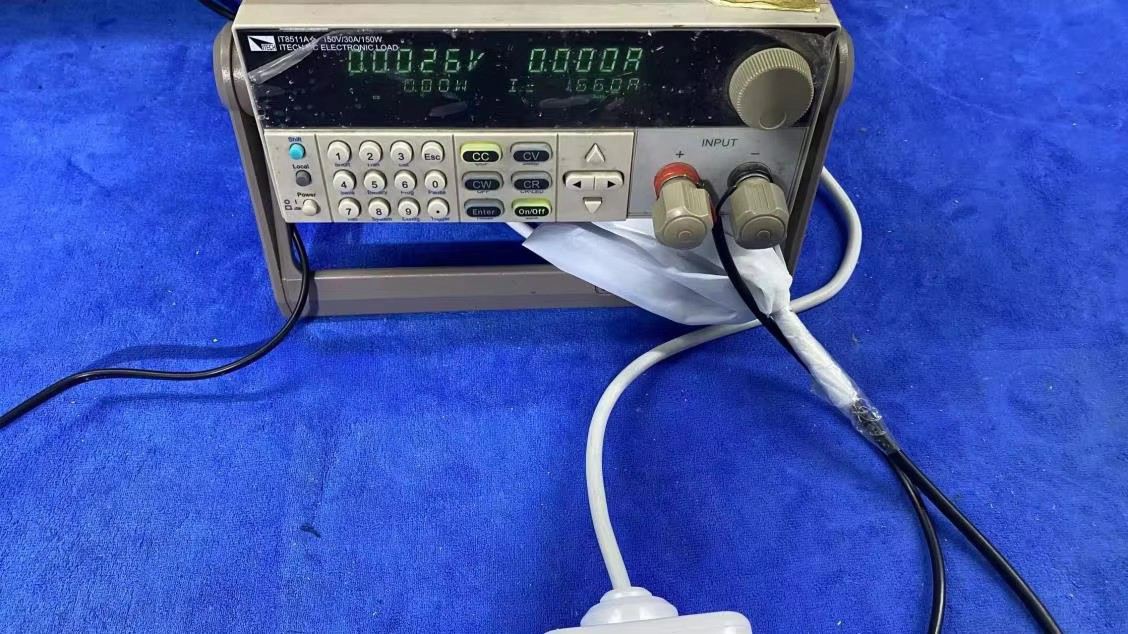
Continuous Current Load & Heat Rise Rig
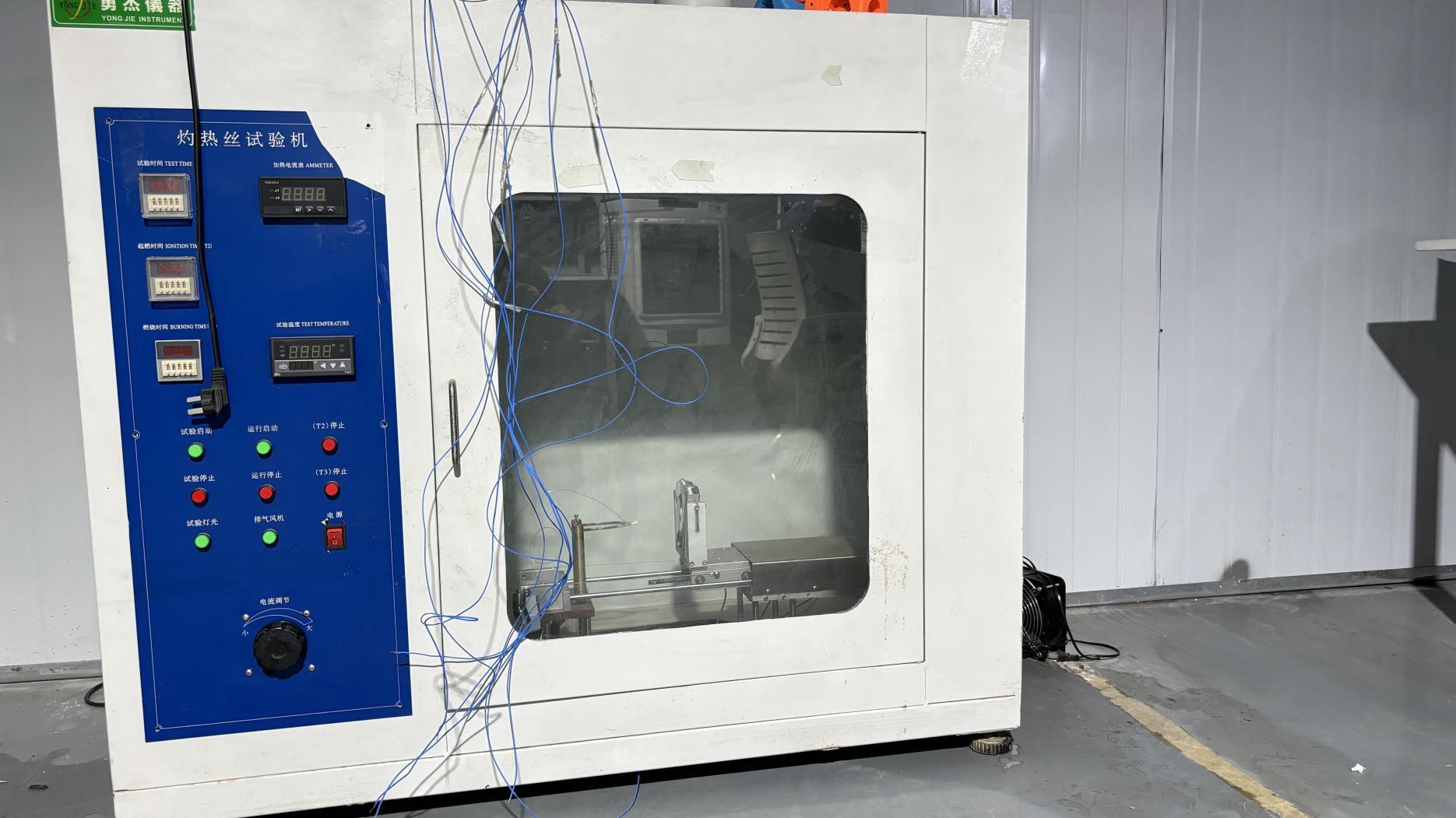
750°C Glow-Wire Flammability Chamber
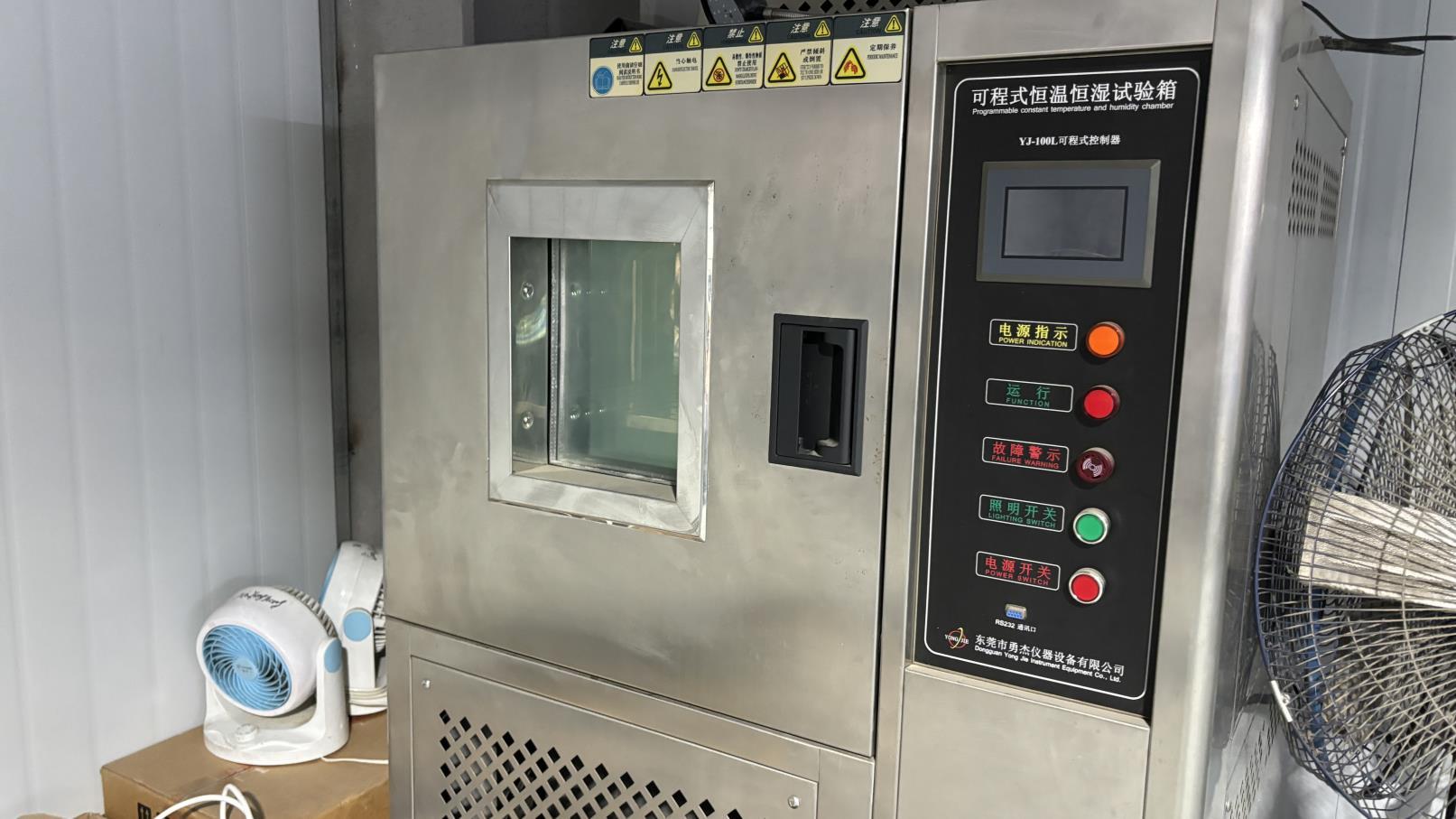
Environmental Thermal/Humidity Aging
Every batch produced in our facility undergoes rigorous verification: dielectric withstand testing up to 3,000V AC, ground continuity verification under 25A test current, mechanical cable strain relief testing exceeding 100N pull forces, and precision laser marking of ratings, batch numbers, and branding.
Frequently Asked Questions: Sourcing & Compliance for Japanese Buyers
Clear, direct answers regarding regulatory compliance, MOQ thresholds, and engineering specifications for importers and commercial buyers targeting the Japanese market.
Does your factory support full OEM customization for Japanese plug and outlet types?
Yes. While our primary catalog highlights European Schuko (CEE 7/3), French, and international form factors, our factory tooling infrastructure is fully equipped for JIS C 8303 (Japanese standard 2-prong and 3-prong grounded configurations). We provide tailored tooling, customized PCB design for 100V systems, custom cord sets, and bilingual packaging.
How do you manage quality control and certification testing for electrical safety?
Our on-site testing facility conducts comprehensive checks: glow-wire ignition, high-voltage dielectric withstand, earth continuity, and constant temperature/humidity aging. We work closely with leading test houses including TÜV Rheinland, SGS, and Intertek to help our clients obtain relevant CE, GS, RoHS, and PSE certifications.
What are the standard Minimum Order Quantities (MOQ) and production lead times?
For standard catalog configurations featuring custom laser logo branding, the MOQ begins at 200 to 500 units per model. For bespoke tooling, specialized industrial housing modifications, or full ODM development, the MOQ typically begins at 1,000 units. Standard production lead time spans 25 to 35 days post-sample approval.
Can your surge protective sockets handle the tracking phenomenon common in Japan?
Yes. Tracking fires—caused by dust and humidity accumulating between plug blades—are a primary safety concern under Japanese electrical codes. We utilize flame-retardant urea resin or UL94 V-0 polymers at critical contact interfaces, incorporating high-tracking-resistance insulating sleeves around plug prongs to eliminate electrical arc paths.
Are your USB-C Power Delivery ports optimized for 100V Japanese electrical systems?
Yes. All our integrated fast-charging modules feature broad auto-ranging step-down converters operating smoothly across 100V–240V at 50/60Hz. They integrate intelligent PD 3.0 / QC 4+ handshake controllers that automatically negotiate optimal voltage and amperage profiles for connected smartphones, tablets, and laptops without overheating.
Can third-party inspectors audit our order on-site before dispatch from Ningbo?
Absolutely. We welcome third-party pre-shipment inspections from accredited organizations such as TÜV, SGS, Bureau Veritas, or your dedicated inspection agent. We provide complete access to our testing laboratories, calibrated equipment, and packaging stations prior to container sealing.