5,200 m²
Audited Facility (Ningbo)
100%
Dielectric Hipot Tested
PD 67W
Integrated GaN Architecture
TÜV / ISO
On-Site Verified Systems
Enterprise Procurement Selection
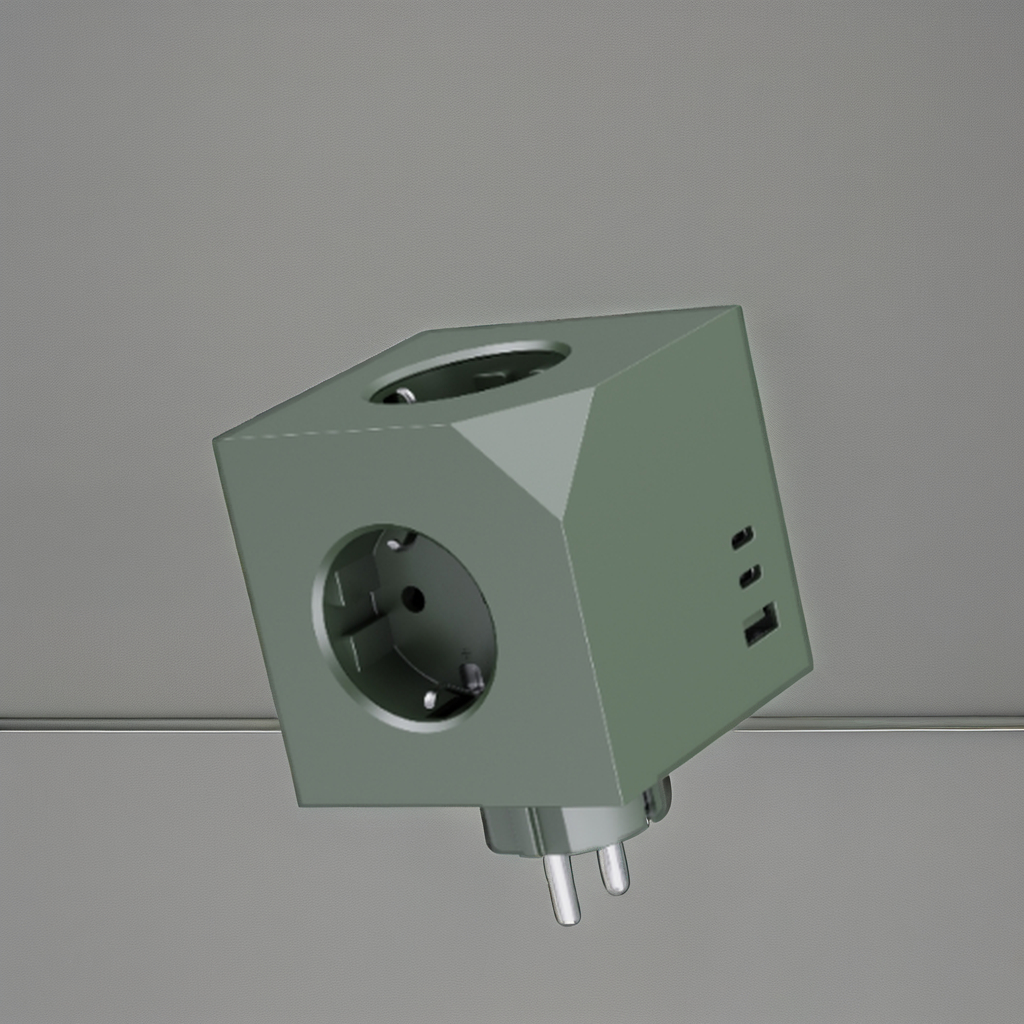
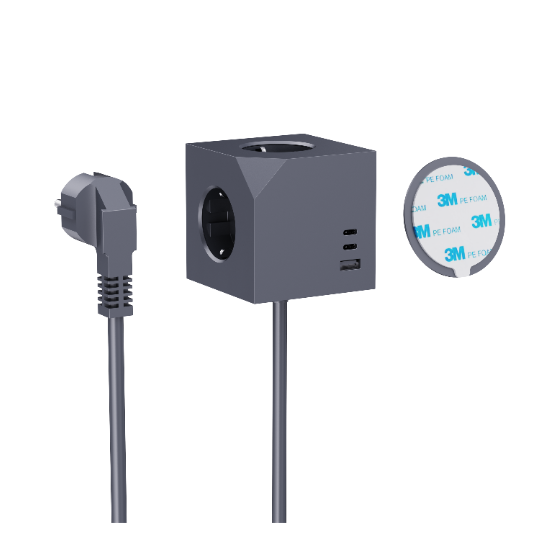
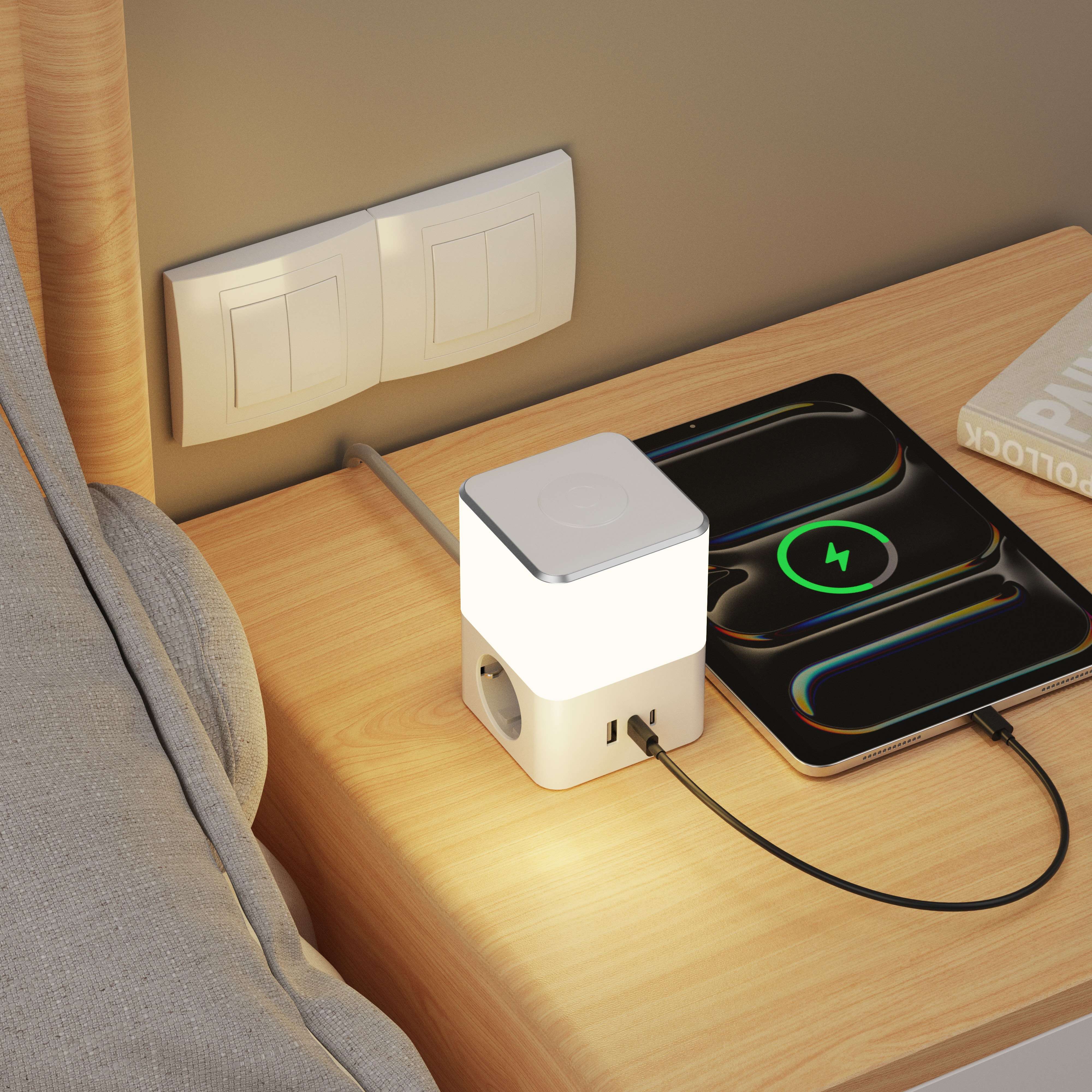
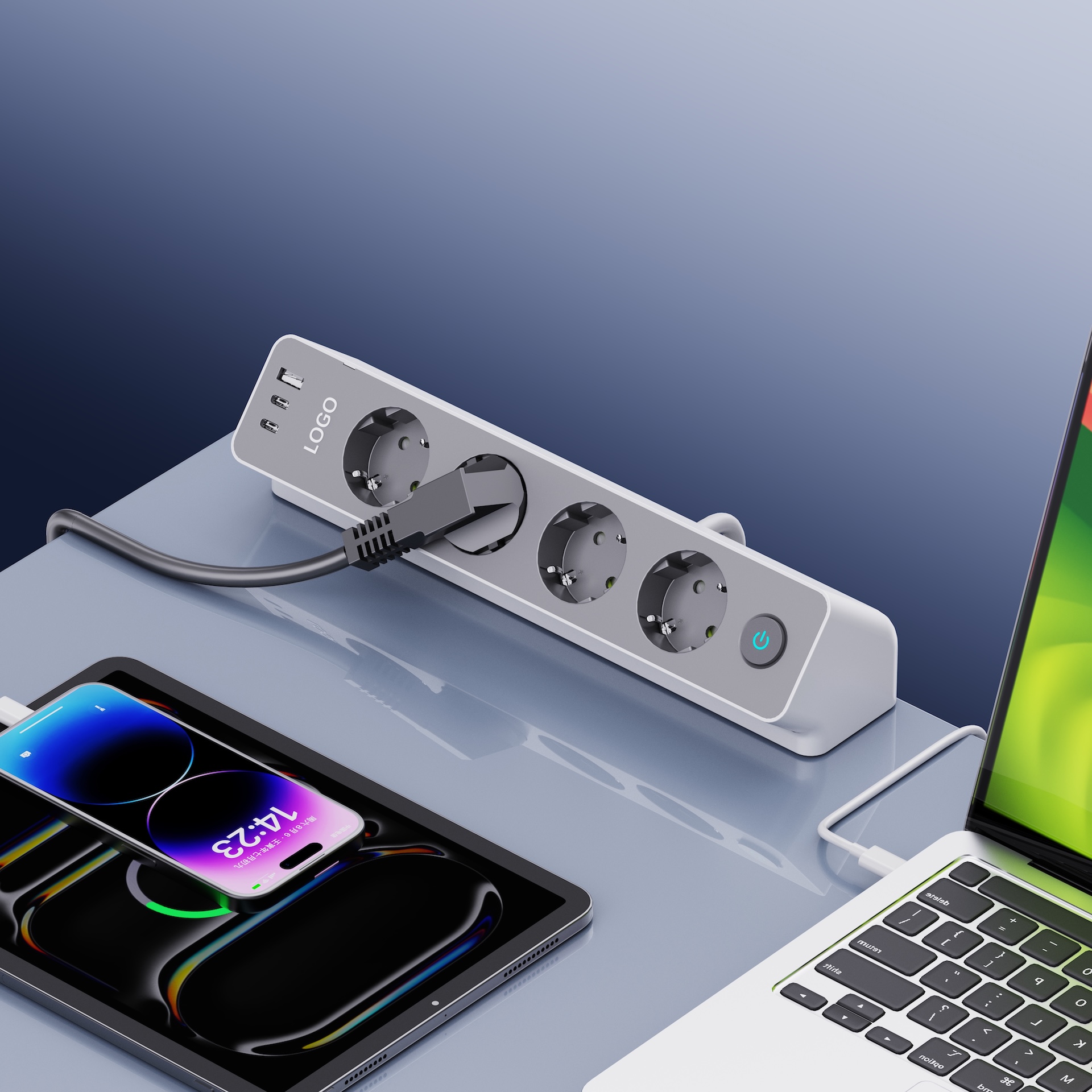
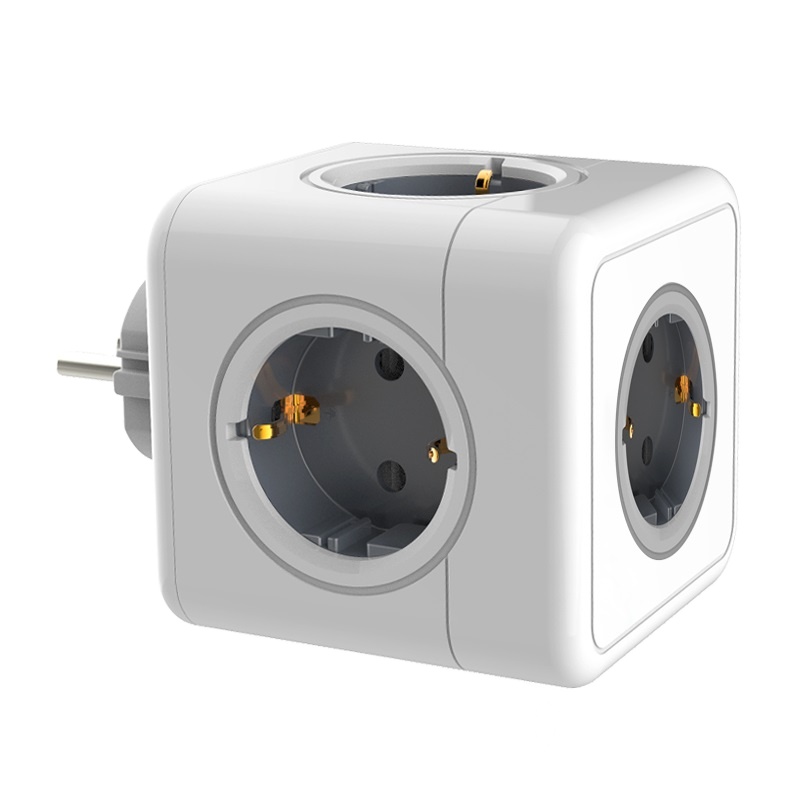
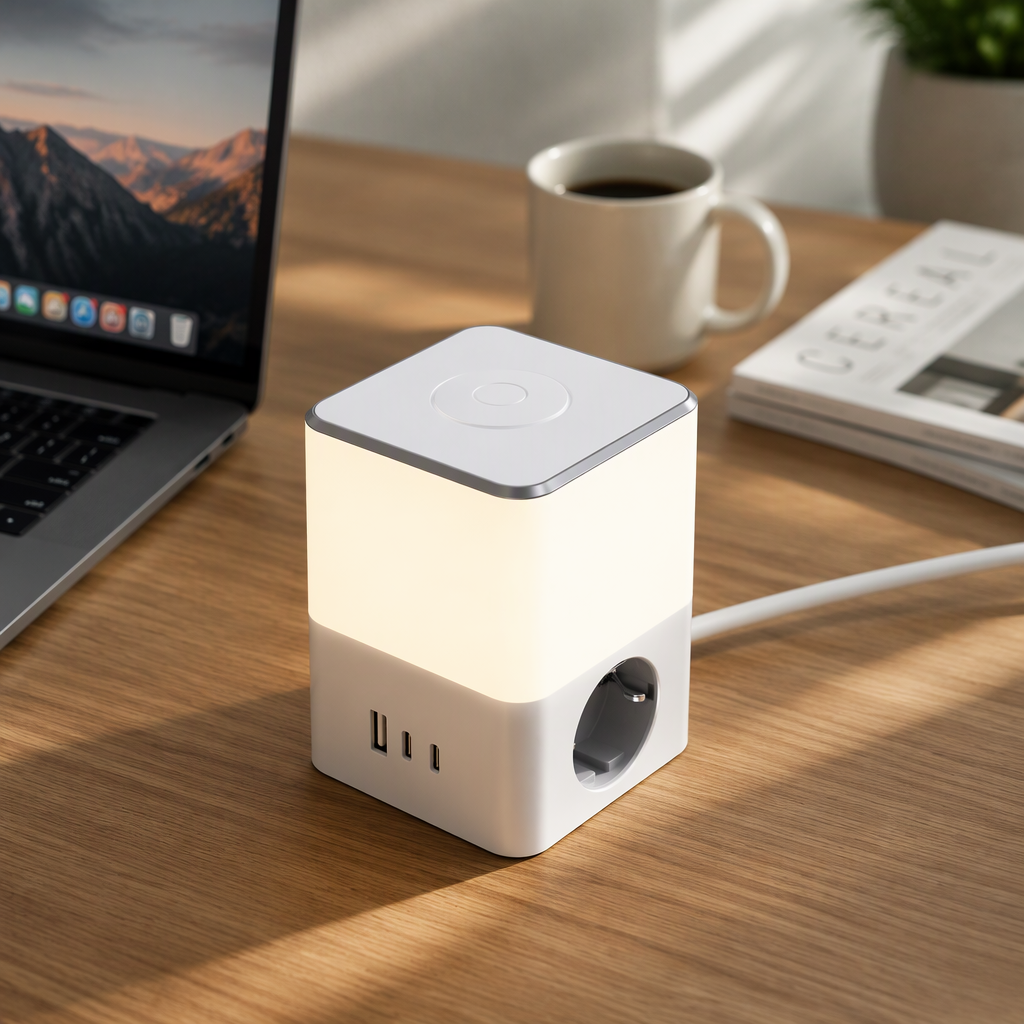
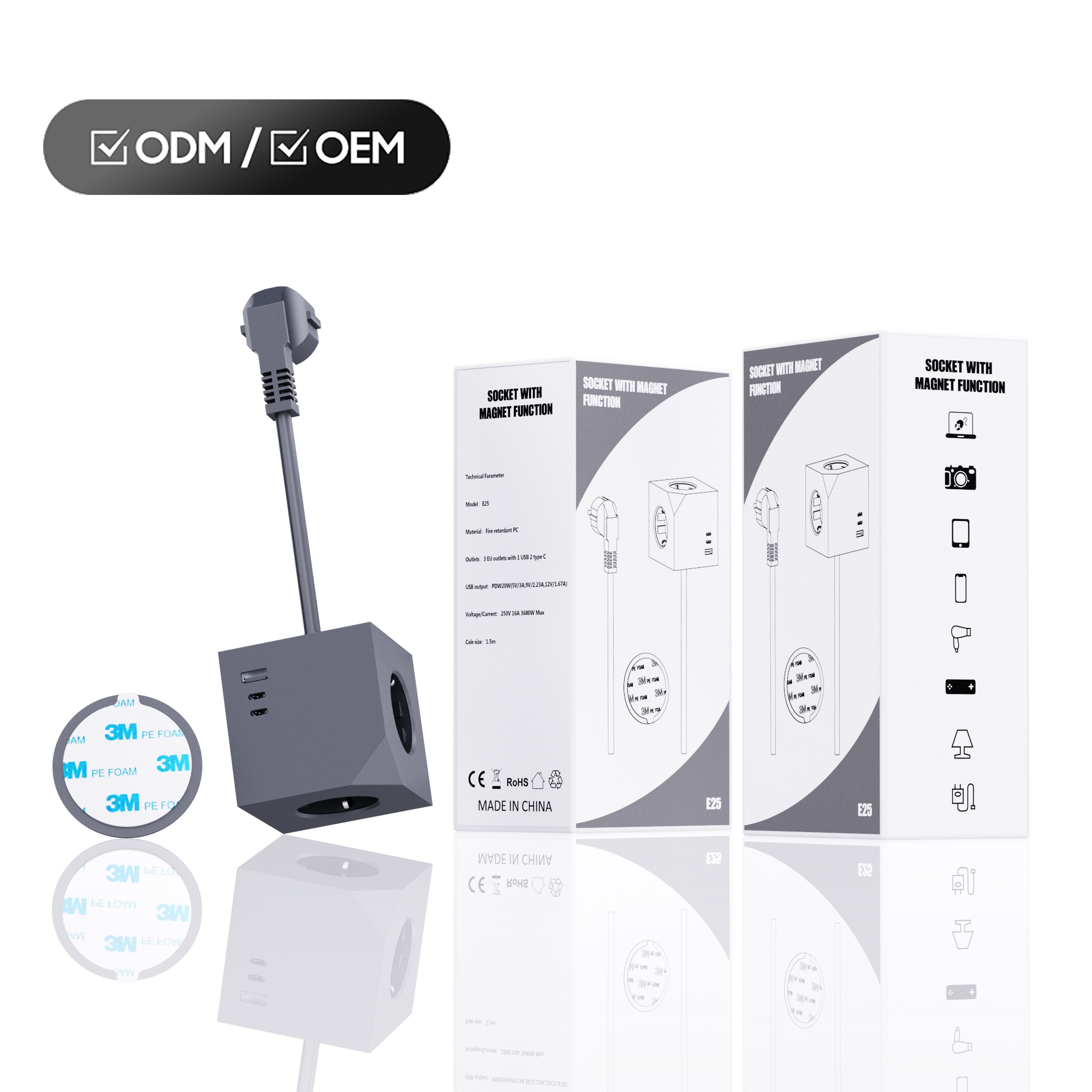
Engineered Power Hubs & Compact Architectural Towers
Direct OEM/ODM solutions tailored for cross-border distributors, office integrators, and residential specifiers in the Quebec commercial corridor.
Quebec Market Integration
Engineered for Montreal's High-Density Sectors
Analyzing structural deployment, electrical standards (CSA C22.2 No. 308), and architectural constraints unique to Montreal installations.
🏢
Mile End & Downtown Tech Hubs
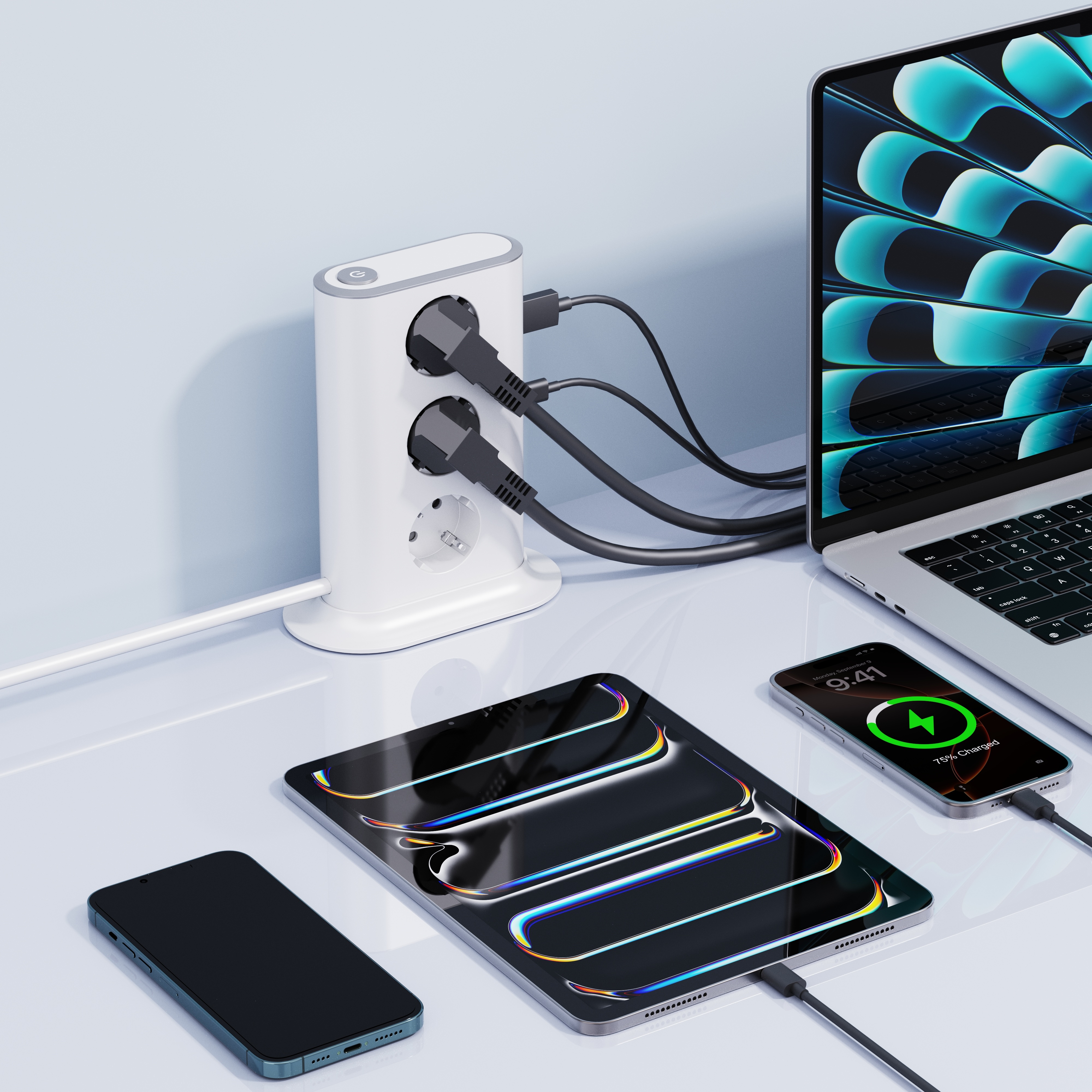
Montreal's booming AI, video gaming, and software ecosystems (spanning Mile End, Saint-Henri, and Boulevard René-Lévesque) mandate intense desktop electronics consolidation. Conventional horizontal power bars clutter sit-stand desks and contribute to severe floor wire tangles.
Our Vertical Power Towers eliminate cable clutter by providing 360-degree receptacle access with integrated USB Power Delivery (up to 67W). This enables Montreal's tech workers to power dual MacBooks, multiple 4K displays, and mobile test benches from an ultra-compact desktop footprint.
⚙️
Saint-Laurent & Anjou Light Industrial
Distribution centers and automated manufacturing clusters across the Borough of Saint-Laurent and Anjou require resilient, grounded electrical distribution. Machine testing benches, quality control desks, and packing stations demand reliable surge suppression against heavy machinery switching transients.
Equipped with 1050-Joule metal oxide varistor (MOV) arrays and flame-retardant 750°C glow-wire resistant polycarbonate enclosures, our towers ensure continuous operations and satisfy stringent Canadian industrial workplace safety guidelines.
🏛️
Old Montreal Lofts & Heritage Conversions
Commercial conversions of heritage stone and brick properties throughout Old Montreal and Griffintown often lack adequate in-wall duplex receptacles. Strict municipal preservation bylaws restrict intrusive conduit trenching into heritage masonry.
Our heavy-duty base vertical power hubs turn a single perimeter receptacle into a high-capacity multi-station access point, supporting modern commercial teams without architectural destruction or costly structural electrical rewiring.
Industry Whitepaper Report
Electrification, Energy Efficiency & Standards Compliance in Quebec
As the Montreal metropolitan region advances its ambitious Climate Plan 2020-2030 and promotes sustainable building practices under Hydro-Québec energy efficiency protocols, commercial electrical procurement is experiencing an unprecedented structural transformation. Sourcing departments at leading Canadian distributors, institutional educational facilities (such as McGill University and Université de Montréal), and architectural engineering firms are shifting away from generic commodity power bars toward intelligent, vertical power management architectures.
1. Convergence of AC Power and GaN Fast Charging: Standalone wall warts and AC/DC adapters consume unnecessary idle power and generate significant thermal waste. In response, modern facility planners in Montreal are specifying power hubs integrated with high-efficiency Gallium Nitride (GaN) USB-C Power Delivery modules. By delivering up to 67W direct-to-device via USB-PD 3.0 / PPS protocols, internal conversion losses are decreased by over 28% compared to legacy transformer blocks, directly supporting corporate ESG decarbonization audits.
2. Rigorous Adherence to Hydro-Québec & CSA Frameworks: Operating on the 120V / 60Hz Canadian electrical grid requires power distribution equipment that strictly complies with CSA C22.2 No. 308 (Cord-Connected Electrical Accessories) and CSA C22.2 No. 42 (Receptacles, Plugs, and Similar Wiring Devices). Equipment imported into Quebec must demonstrate dielectric withstand capabilities up to 1500V AC, employ genuine 14 AWG pure electrolytic copper conductors to prevent thermal runaway, and feature mechanical tamper-resistant (TR) shutters compliant with the Quebec Construction Code, Chapter V - Electricity.
3. Space Optimization in Modern Urban Workspaces: Real estate lease rates in Montreal's downtown commercial core demand maximum floor space utilization. The transition from linear floor-laid power strips to vertical towers reduces the horizontal surface consumption of desk cable infrastructure by up to 73%, optimizing unencumbered legroom while ensuring ergonomic desk clamp attachments remain fully accessible for agile, hybrid team environments.
Manufacturing Precision
Direct-from-Factory Engineering in Ningbo
We control every mission-critical phase in-house to protect your brand reputation and eliminate import risks.
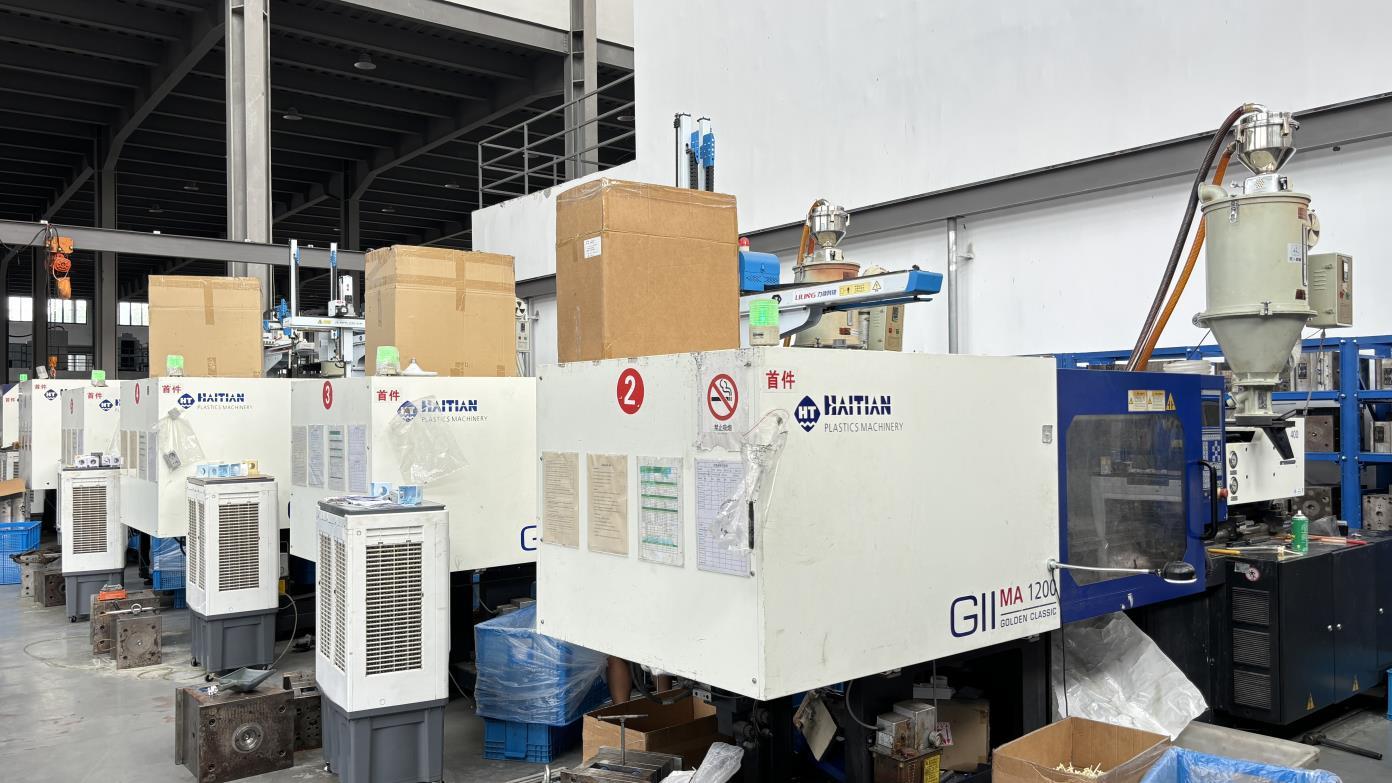
In-House Injection Tooling
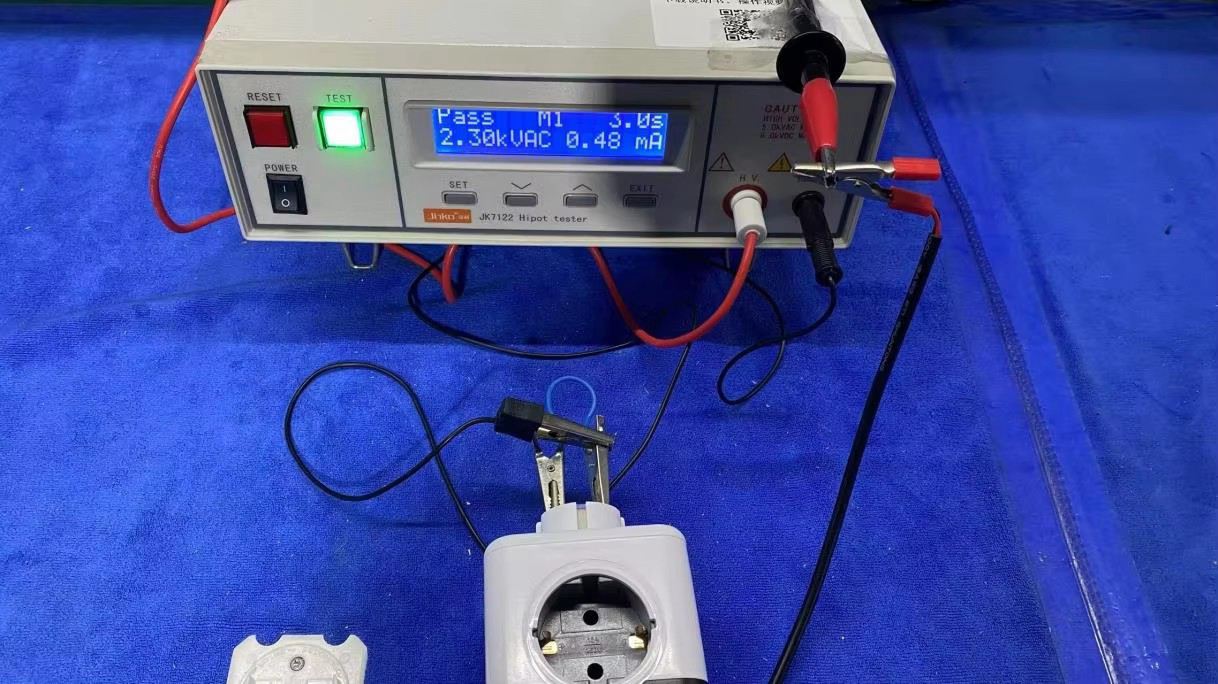
Hipot Dielectric Testing
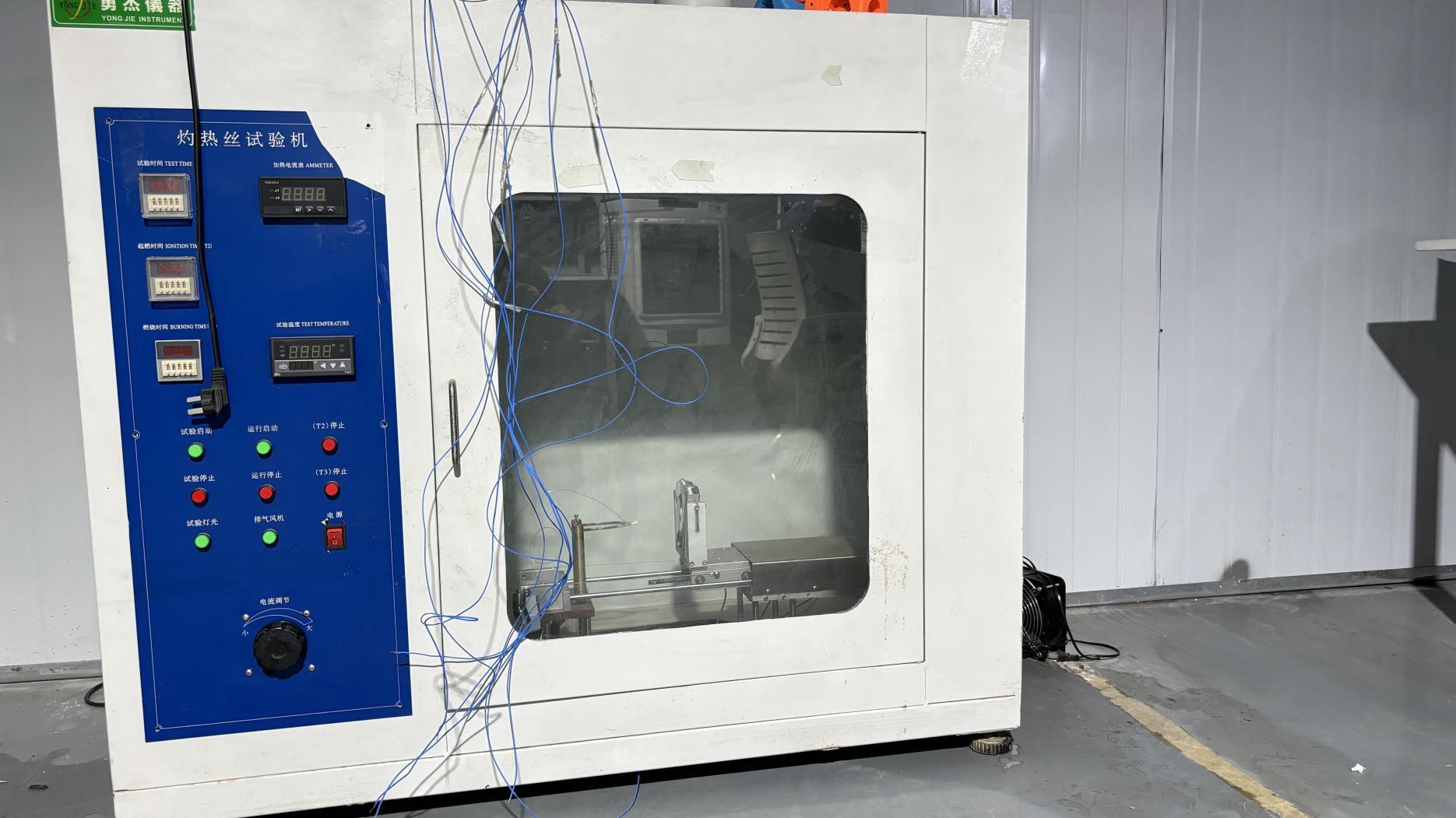
750°C Glow-Wire Safety Lab
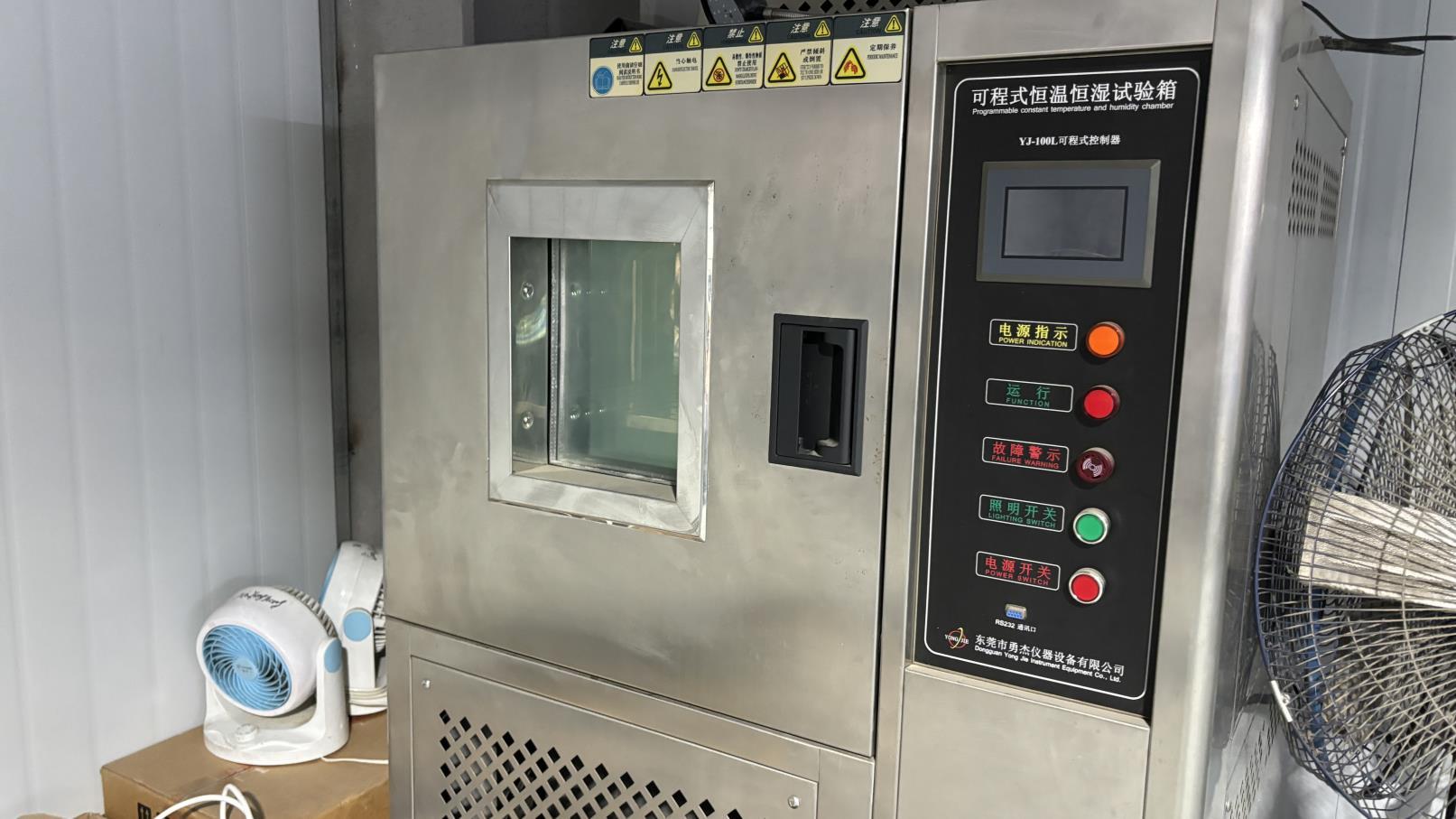
Climate Aging Chambers
Enterprise Supply Chain Advantage
Why Montreal Importers Partner with Ningbo Sykra
Combining high-capacity automated production with custom Canadian electrical compliance and streamlined maritime logistics.
🛡️
TÜV Rheinland Audited Facility
Operate with absolute peace of mind. Our 5,200 m² Ningbo manufacturing plant was verified on-site by TÜV Rheinland (assessment passed 13 October 2025). Employing 57 skilled specialists, we maintain full ISO-compliant traceability from virgin resin pellets to packaged cartons.
⚡
Proprietary Internal Architecture
Unlike competitors that rely on soldered point-to-point wires prone to internal short circuits under vibration, we engineer one-piece integrated phosphor bronze busbars. This guarantees exceptional spring retention after 10,000+ insertion cycles and minimal electrical resistance.
🚢
FCL/LCL Direct to Port of Montreal
Located within 45 km of the Port of Ningbo-Zhoushan, our logistics division coordinates direct container freight or consolidated LCL shipments to the Port of Montreal (Termont / Cast). We provide bilingual English-French labeling and master carton barcoding compliant with Canadian customs.
Procurement Knowledge Base
Frequently Asked Questions by Canadian Buyers
Clarifying regulatory compliance, minimum order quantities, certification protocols, and delivery schedules for Quebec.
Q. What certifications are required to sell or install power towers in Montreal?
Electrical products deployed across Quebec must carry recognized electrical safety certification marks accredited by the Standards Council of Canada (SCC), such as CSA, cULus, or cETLus, meeting standard CSA C22.2 No. 308. Our factory provides full engineering support and documentation to ensure seamless verification by Canadian municipal building inspectors and insurance underwriters.
Q. Can your power towers accommodate Canadian French-language packaging mandates?
Yes. Under the Charter of the French Language (Bill 96), all commercial goods, instruction manuals, safety warnings, and retail packaging sold in Quebec must have French language prominently displayed. We provide full OEM packaging customization, including bilingual English/French silkscreen printing, user documentation, and barcode labeling.
Q. What is the Minimum Order Quantity (MOQ) for custom branded runs?
Our standard production runs for OEM private-label towers start at 500 to 1,000 units, which includes custom housing colors, bespoke cable lengths (such as 1.8m / 6ft or 3m / 10ft heavy-duty 14AWG cords), and laser-engraved corporate branding. For pilot market evaluations, selected baseline models can be dispatched starting at 200 units.
Q. How does your Ningbo laboratory guarantee electrical safety before maritime dispatch?
Every single batch undergoes rigorous multi-stage laboratory validation before release: 100% automated high-voltage dielectric withstand testing (Hipot), internal contact resistance verification, temperature-rise evaluations under 15A full load, and hot-wire glow tests up to 750°C. Importers receive full factory Quality Inspection (QC) certificates prior to port loading.
Q. What are standard freight lead times from Ningbo to the Port of Montreal?
Standard manufacturing cycle times range between 25 and 35 calendar days following golden sample sign-off. Maritime transit from Ningbo-Zhoushan to the Port of Montreal typically averages 28 to 35 days via ocean carrier transit routes, with full customs clearance documents (B3, commercial invoice, bill of lading, and packing list) prepared meticulously.
Q. Can you integrate smart power metering or individual surge protection per tier?
Yes, our R&D engineering division provides complete ODM capabilities. We can incorporate tiered micro-switches, resettable thermal overload breakers, high-capacity surge status LEDs, and Tuya/Matter-compatible WiFi remote power management modules customized to specific institutional requests.