180° Swivel
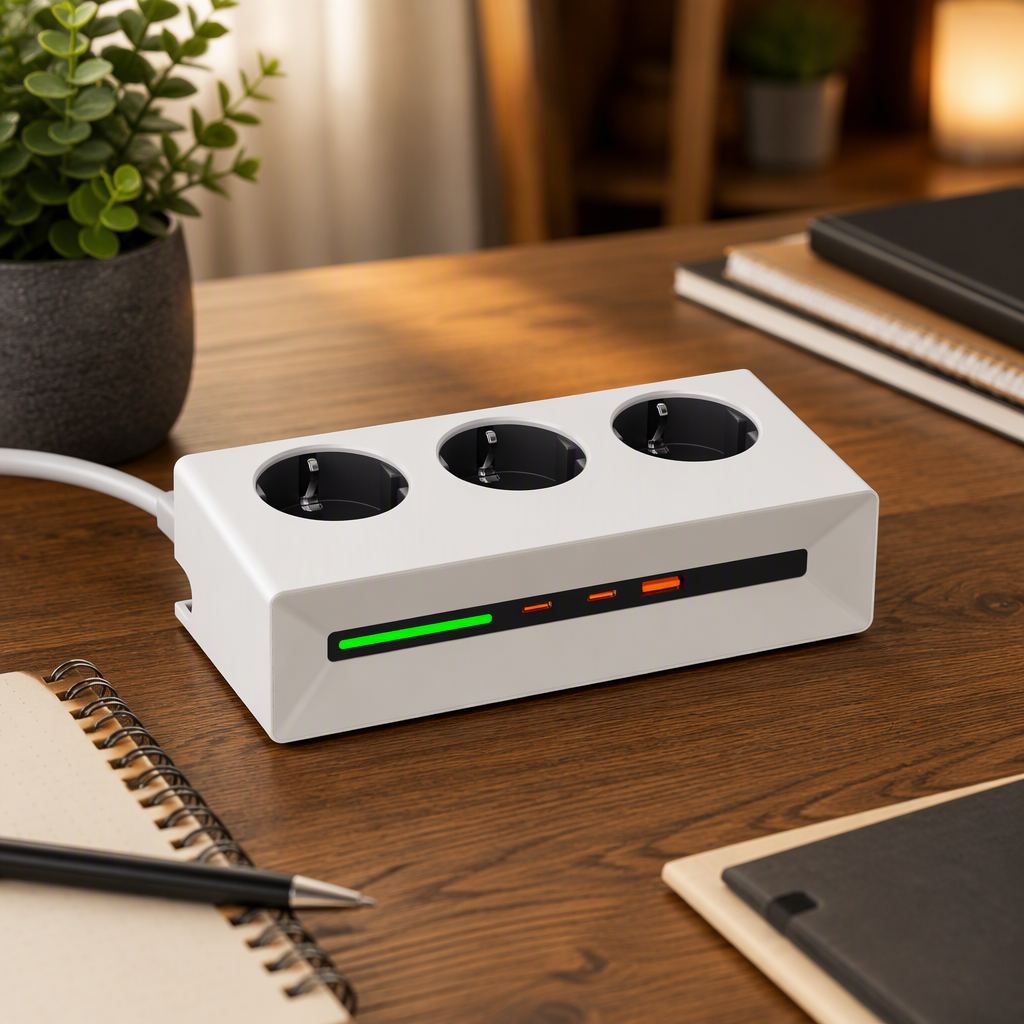
Korea EU Power Socket 3 Outlets 180 Degree Swivel Cable Indicator PD 25W
3x CEE 7/3
PD 25W
Swivel Lead
Direct factory configurations matching Scandinavian industrial aesthetic criteria, incorporating Type-F grounding, zero-heat GaN / PD protocols, and flame-retardant 750°C glow-wire enclosures.
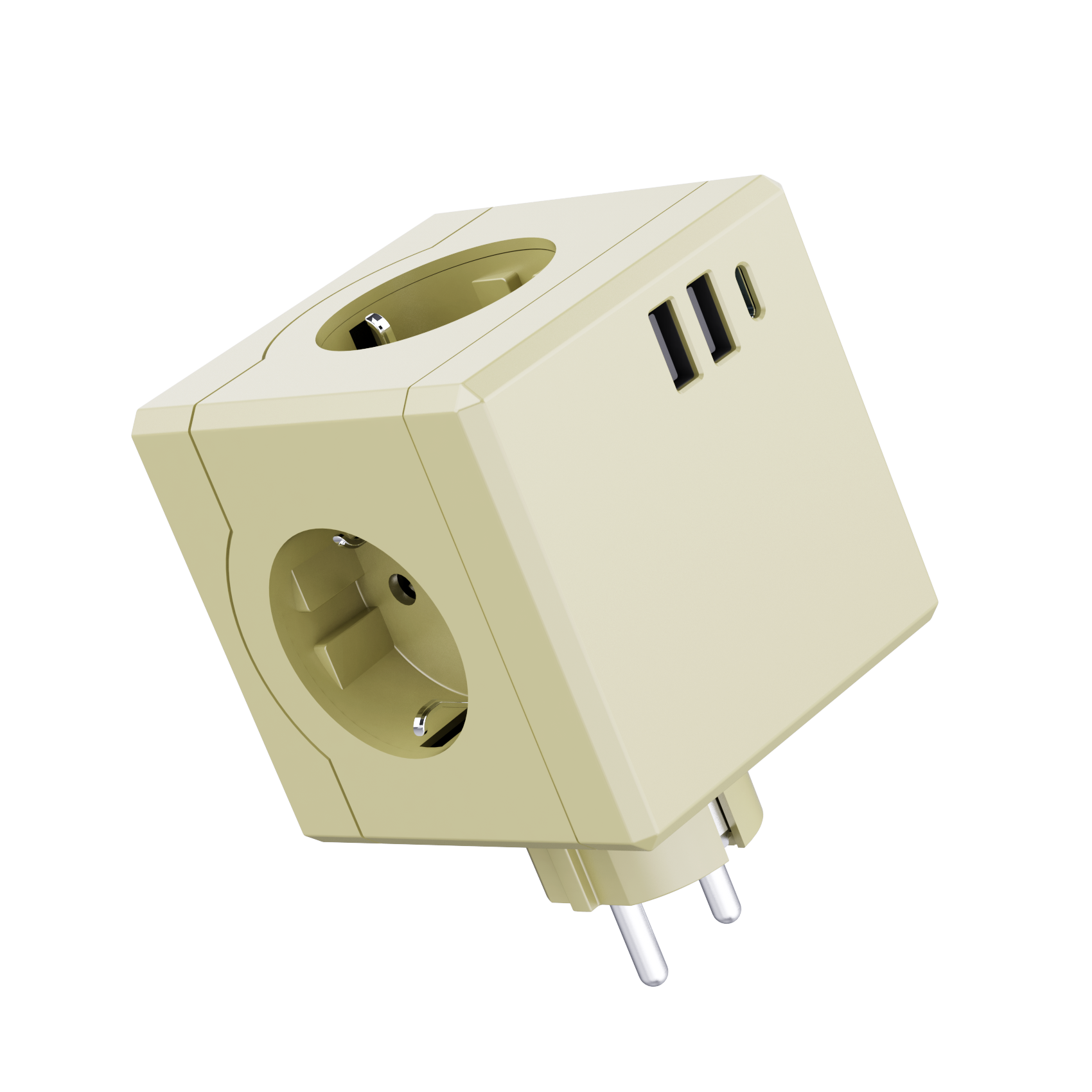
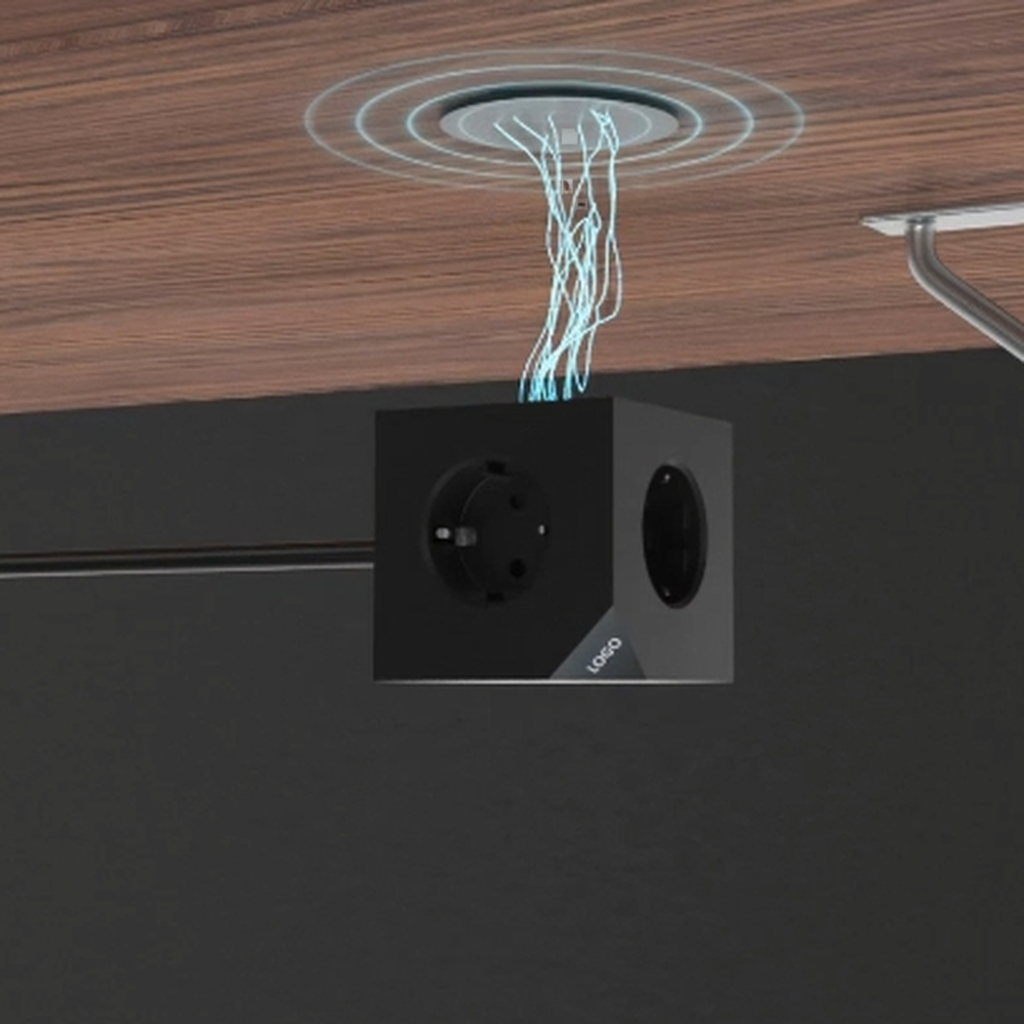
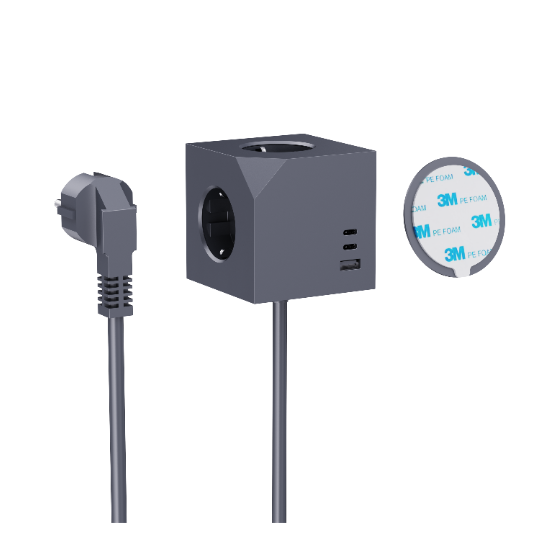
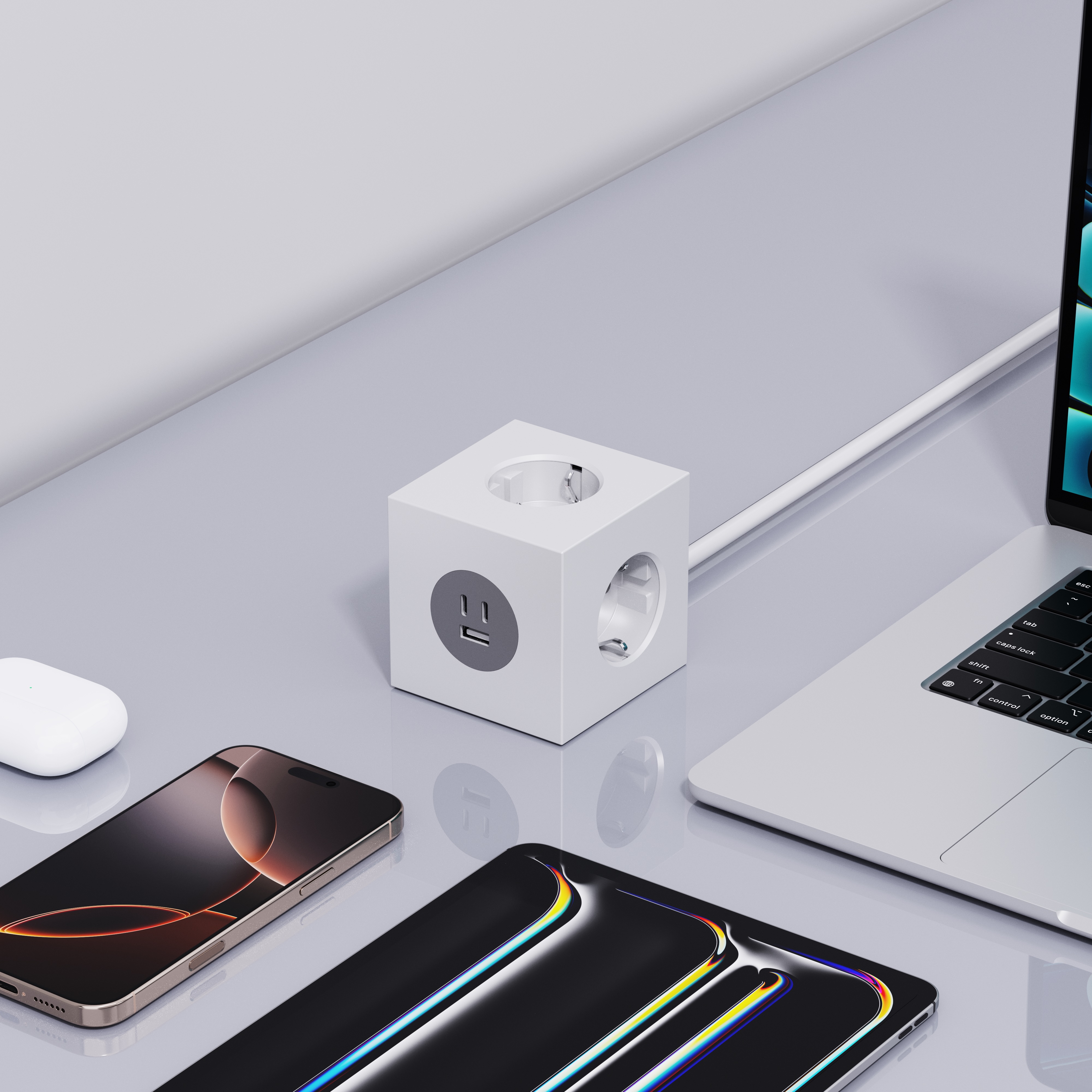
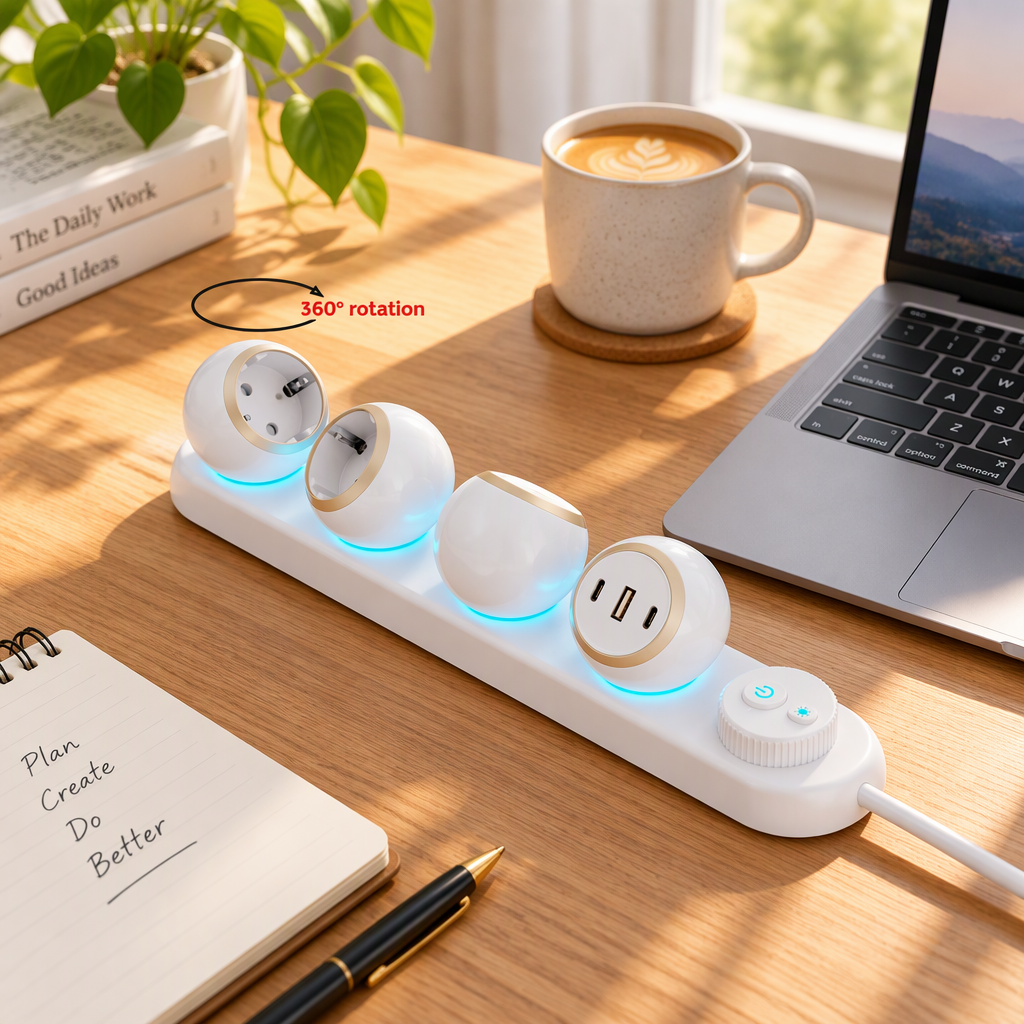
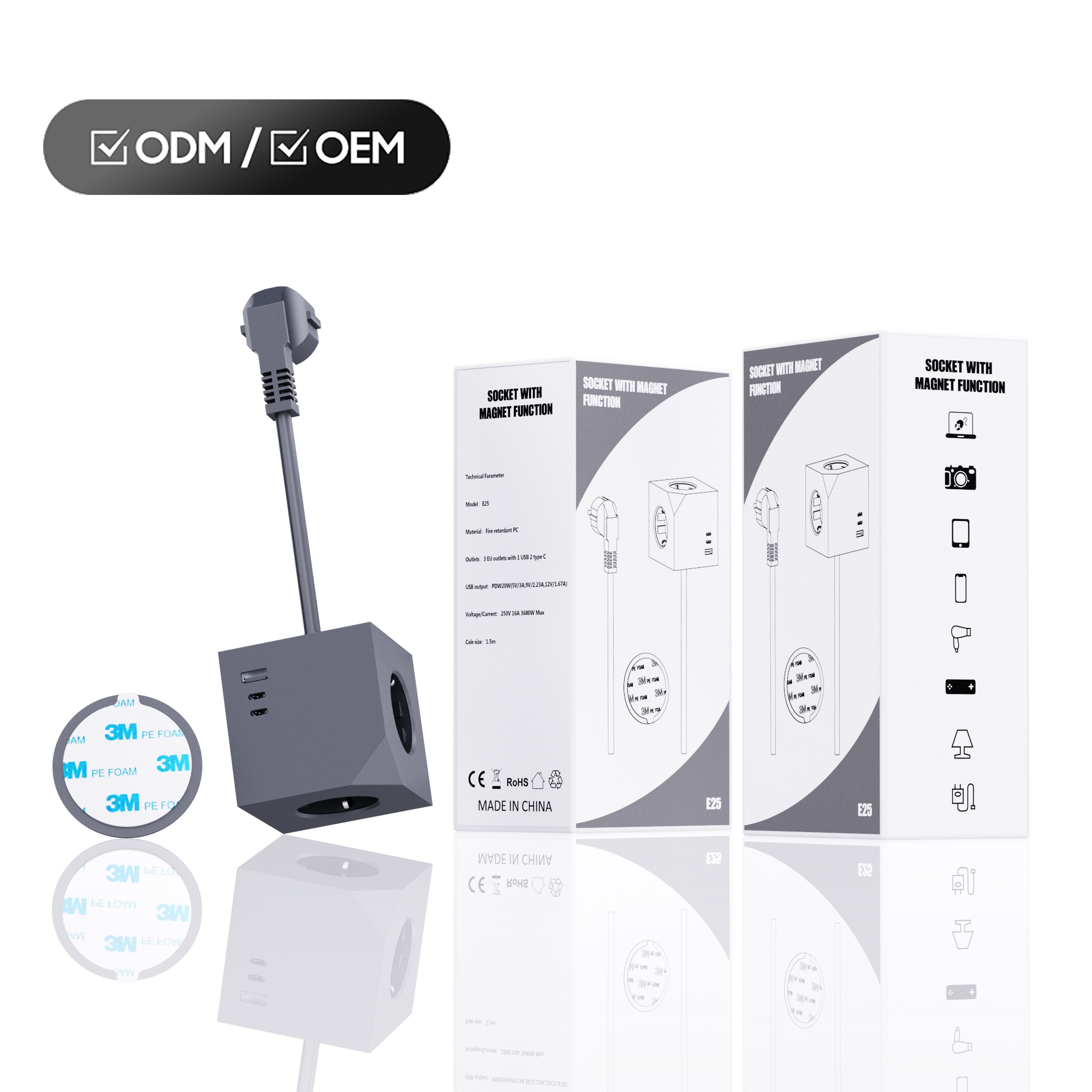
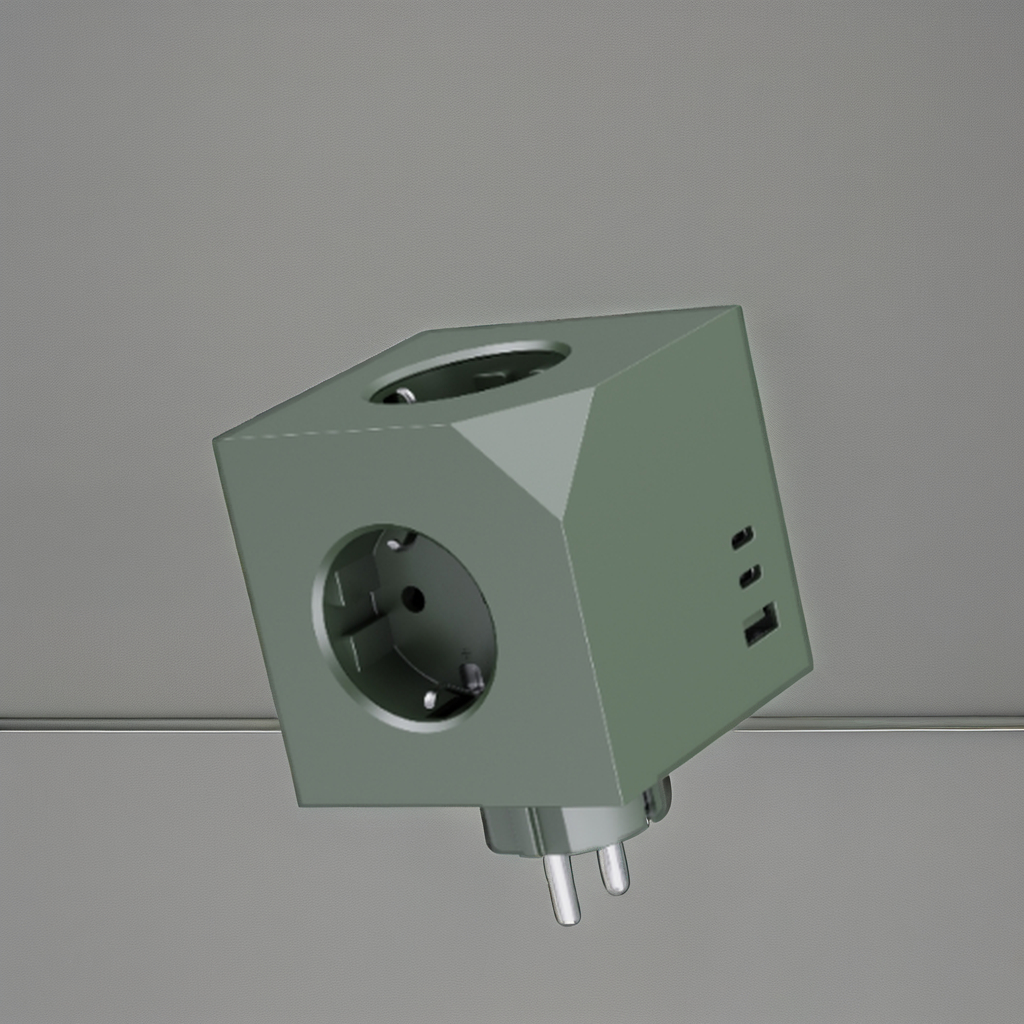
As the greater Oslo metropolitan area—stretching from the hyper-modern office towers of Bjørvika Barcode to the biotech and deep-tech innovation hubs around Forskningsparken (Oslo Science Park) and Lysaker—solidifies its position as Northern Europe’s primary tech engine, electrical power architecture has evolved beyond legacy hardware. In modern Norwegian commercial and domestic workspaces, a desktop power strip is no longer an afterthought tucked out of sight beneath the flooring. It is a critical tactile interface directly responsible for hardware uptime, peripheral fast charging, and workplace safety compliance.
Operating within Norway’s distinct environmental and technological context, corporate buyers, procurement directors, and electrical product distributors require hardware that meets stringent performance thresholds. In Norway, grid standards demand rock-solid CEE 7/3 (Schuko Type F) interlock grounding, absolute compliance with European Low Voltage Directive (LVD 2014/35/EU), Electromagnetic Compatibility (EMC 2014/30/EU), and rigorous toxicological safety under RoHS and REACH. When sourcing power strips directly from certified manufacturing exporters, institutional buyers in Oslo demand full alignment between raw manufacturing processes and the exacting expectations of Scandinavian end-users.
The deployment of premium desktop power distribution systems in Oslo requires meticulous architectural localization. Norwegian interior design philosophy centers on minimalism, spatial cleanliness, and durable natural materials, making bulky, generic black plastic strips an immediate mismatch for modern installations:
Oslo’s prevalent flexible work models (e.g., at Rebel Oslo or Mesh) mandate robust multi-point connections where users can instantly access 65W/25W USB-C PD charging alongside grounded Schuko receptacles, eliminating heavy external laptop AC adapters.
The standard Norwegian home prioritizes warm, uncluttered aesthetics. Cube adapters and 360-degree rotating extenders prevent socket obstruction behind Scandinavian low-profile timber furniture while preserving 16A safety capacity.
From maritime engineering firms along the Lysaker fjord to specialized AV recording studios in Nydalen, clean power delivery featuring surge clamping, zero EM hum, and child-safe shutters is mandatory to protect sensitive measurement gear.
Procurement channels in Norway are experiencing a generational pivot. The transition away from decentralized AC wall warts toward all-in-one desktop power stations is driven by three major structural shifts:
1. High-Density GaN & USB Power Delivery Integration: Norwegian knowledge workers predominantly deploy high-drain ultrabooks (Apple MacBook Pro, Lenovo ThinkPad X1, Dell XPS). Modern power strip specifications must integrate USB Power Delivery protocols delivering up to 67W, requiring high thermal conductivity potting compounds and smart IC negotiation to prevent port burnout during Scandinavian winter indoor heating cycles.
2. Fire-Safe Low-Smoke Zero-Halogen (LSZH) & Self-Extinguishing Resins: With timber-frame construction standard across both residential and boutique commercial architecture in Oslo, fire safety is strictly monitored by the Directorate for Civil Protection (DSB). Sockets must feature flame-retardant PC/ABS polymers rated to 750°C glow-wire verification without structural deformation.
3. Circularity and Energy Management: With Norway’s leadership in sustainable practices and zero-emission building certifications (such as BREEAM-NOR), power strips equipped with individual micro-switches to eliminate vampire draw are experiencing unprecedented demand across municipal tenders and ESG-driven procurement contracts.
Ningbo Sykra Technology Co., Ltd. operates an integrated 5,200 m² smart production ecosystem, eliminating intermediaries to provide Nordic importers with certified consistency, low MOQs, and engineering agility.
Equipped with dedicated high-voltage withstand stations, glow-wire thermal chambers, automated mechanical plug-withdrawal testers, and continuous load testers running under simulated real-world conditions.
From precision mold fabrication and automated high-pressure plastic injection to robotic terminal welding and automated laser printing, every critical manufacturing phase is executed internally.
Standard EU and cube configurations start at only 200 units for branded OEM runs, allowing Norwegian private labels, B2B contractors, and e-commerce brands to test product variations without holding excess inventory.
Assessment fully passed on October 13, 2025. 5,200 m² physical footprint, 57 verified technical personnel, and validated compliance across GS, CE (LVD/EMC), and RoHS standards for seamless Scandinavian customs clearance.
Clear technical, regulatory, and supply chain guidelines addressing the specific questions raised by Norwegian electrical wholesalers and retail chain procurement teams.
Yes. While continental Europe primarily utilizes TN networks, much of Norway traditionally utilizes an isolated terra (IT) 230V 3-phase grid system. Our desktop power strips are engineered with reinforced phase-to-phase and phase-to-ground insulation clearances and high-voltage dielectric ratings (exceeding 3,750V AC), ensuring complete electrical stability and protection against flashover on both Norwegian IT and newer TN-S building infrastructures.
Every production batch includes comprehensive EU Declarations of Conformity covering CE LVD (Low Voltage Directive 2014/35/EU), EMC (Electromagnetic Compatibility Directive 2014/30/EU), and full RoHS compliance reports. Where required, German GS (Geprüfte Sicherheit) test marks and CB scheme test certificates from accredited test houses (such as TÜV Rheinland) are provided for rapid validation with Norwegian brokers and retailers.
Production for standard OEM orders (200–2,000 units) requires 20 to 30 working days. Ocean freight shipments dispatch directly from Ningbo-Zhoushan Port—located less than 40 km from our factory—with ocean transit times to Oslo Harbor (typically via Rotterdam or Hamburg feeder lines) averaging 32 to 38 days. Air-cargo options via Oslo Gardermoen (OSL) are available for urgent sample validation or express rollouts within 5 to 7 days.
Yes. We specialize in custom Pantone masterbatch compounding. We regularly produce strips in Nordic matte whites, architectural basalt greys, sand tones, and deep charcoal finishes with anti-scratch UV surface treatments, alongside precision laser-etched private branding on the chassis.
Our surge-protected desktop models utilize high-energy metal oxide varistors (MOV) with thermal fuses rated up to 1,050 Joules, clamping voltage transients in under 1 nanosecond. In addition, integrated bi-metallic auto-reset overload switches immediately cut the circuit if connected desktop appliances exceed the rated 16A threshold (approx. 3,680W at 230V).
Direct factory engineering, fast quotation within 24 hours, and sample delivery for qualified B2B buyers and importers across Norway and the wider Nordic region.
Inquire Now