Sapporo B2B Power Infrastructure Whitepaper

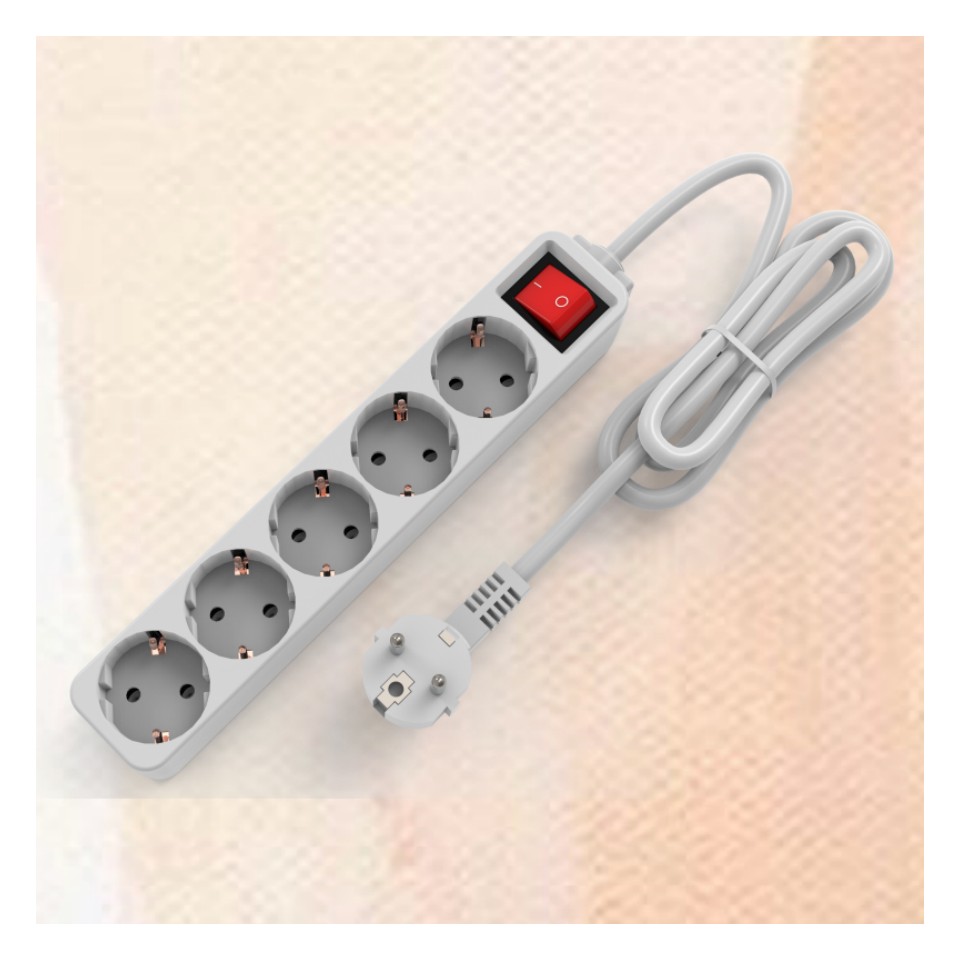
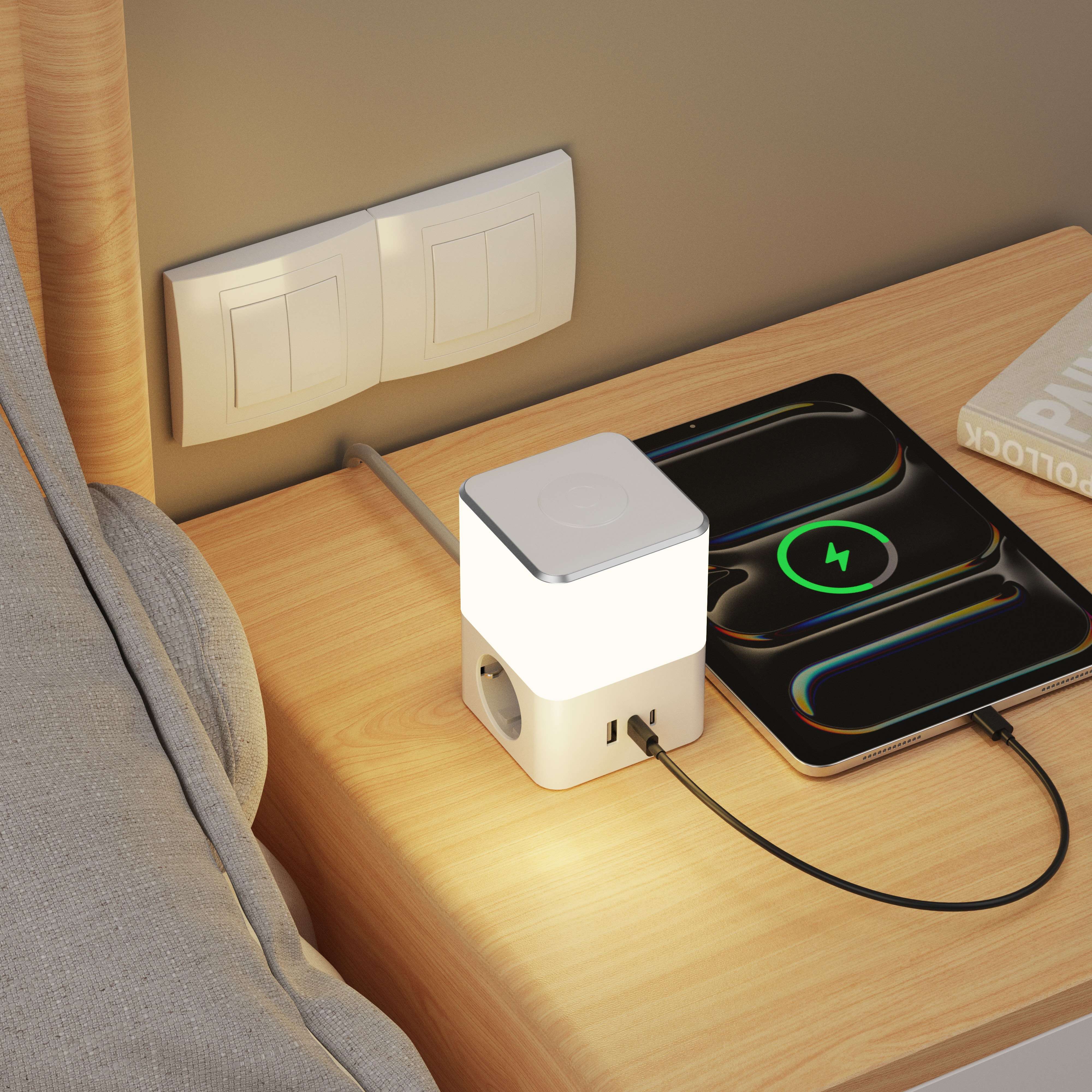
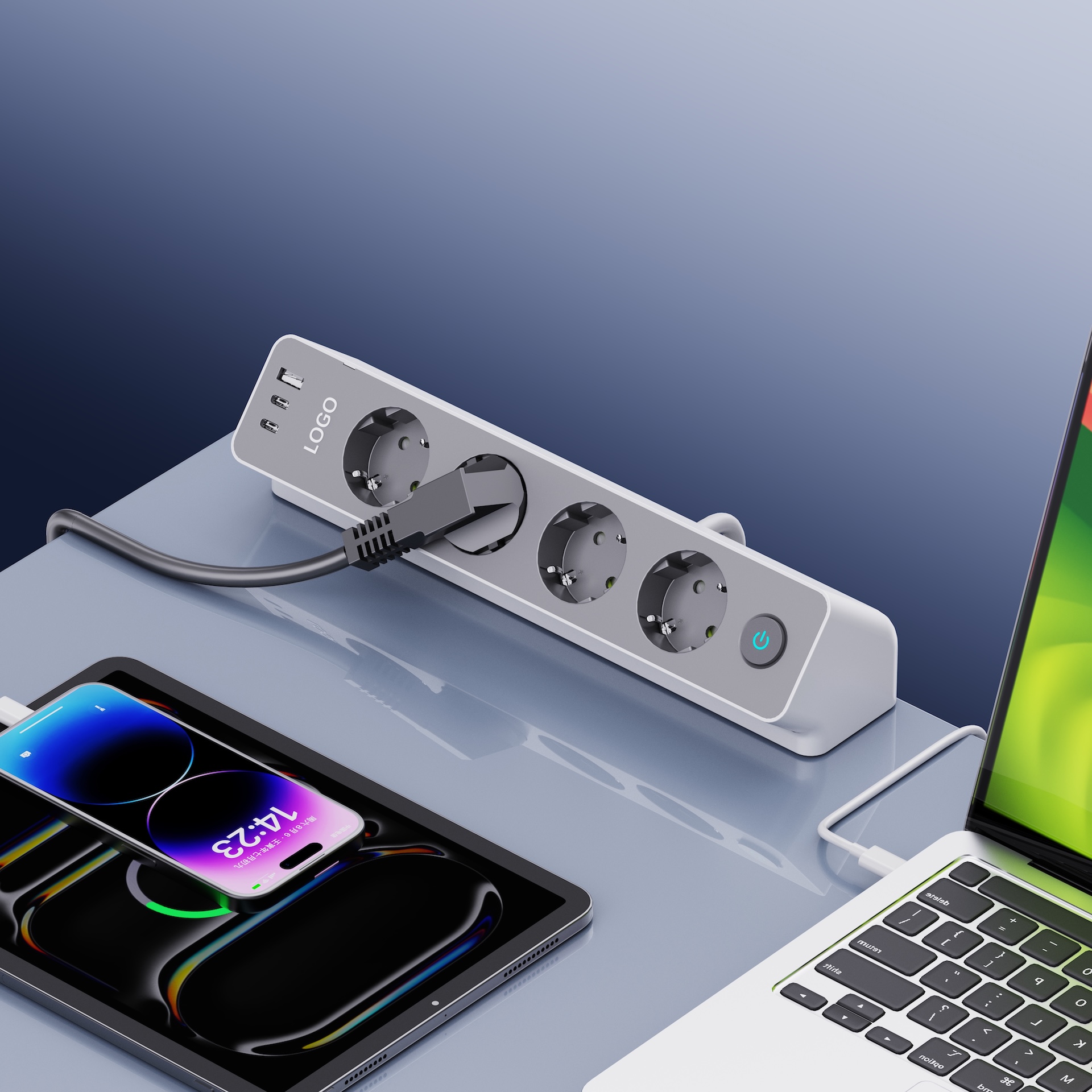
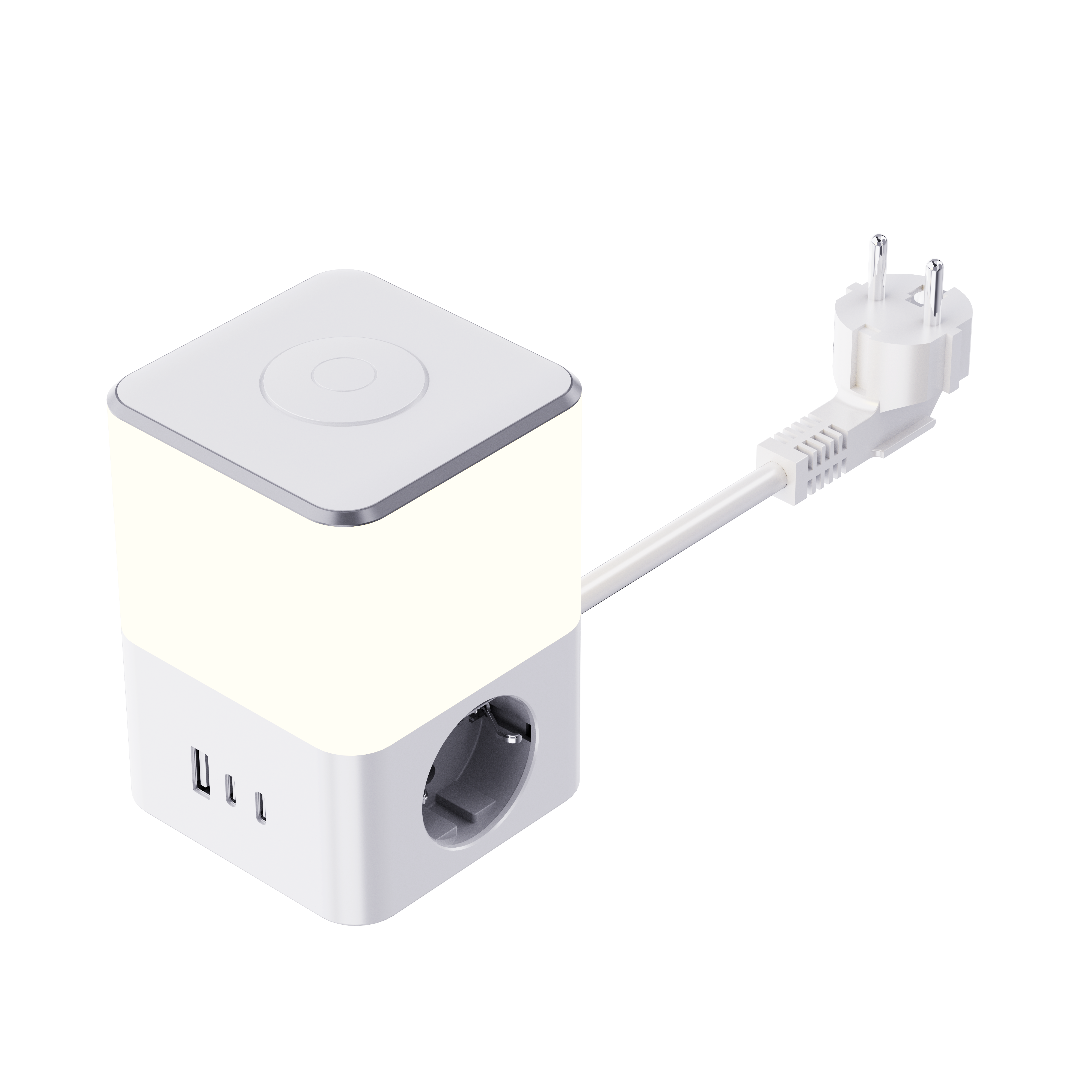
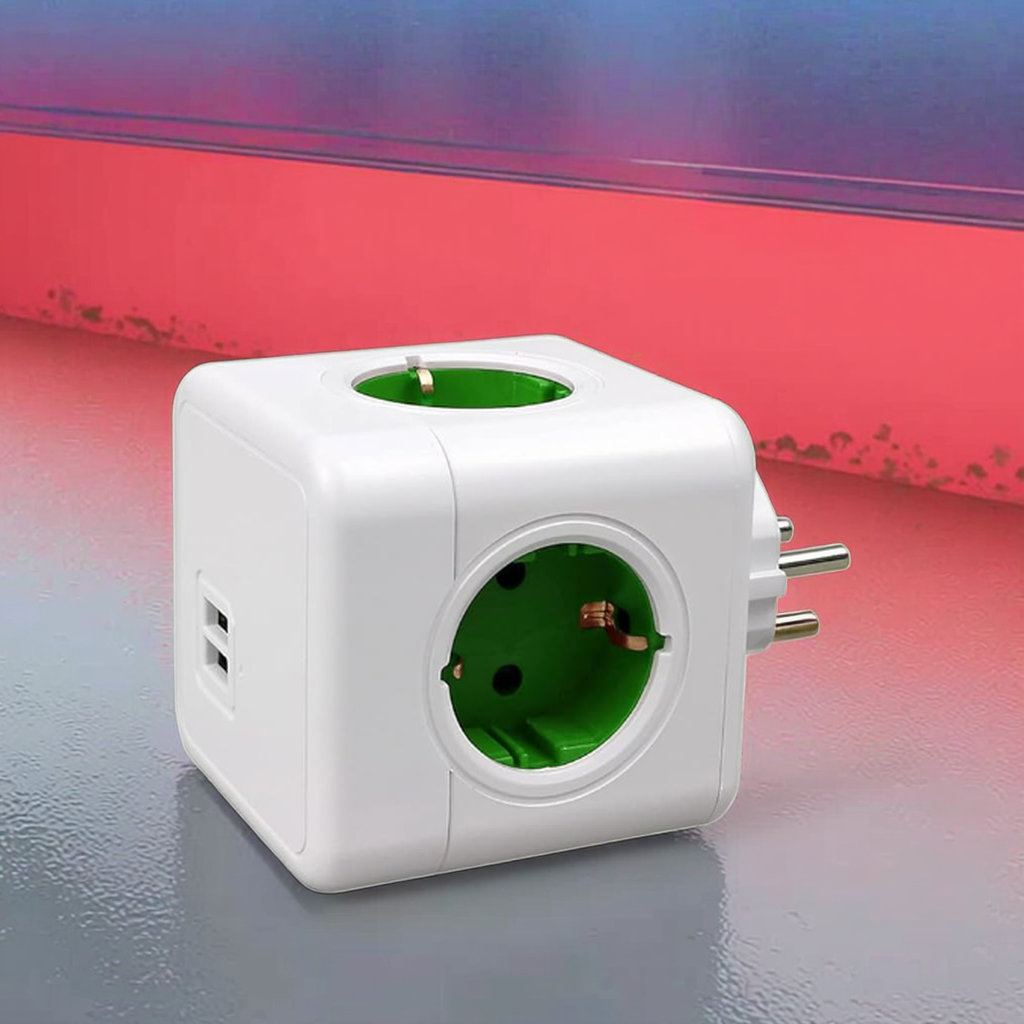
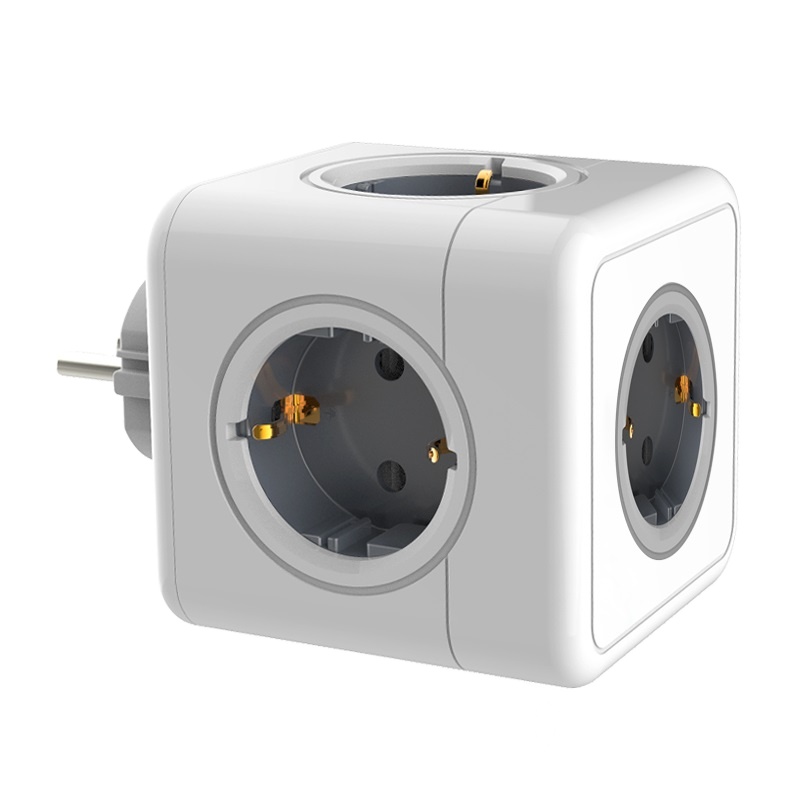
Custom OEM Tower Socket Supplier & Exporter serving Sapporo

Precision Engineering, Thermal Resistance, and High-Density Power Distribution Systems Designed for Hokkaido’s Climate Extremes and Urban Commercial Centers.

Precision Catalog Selection

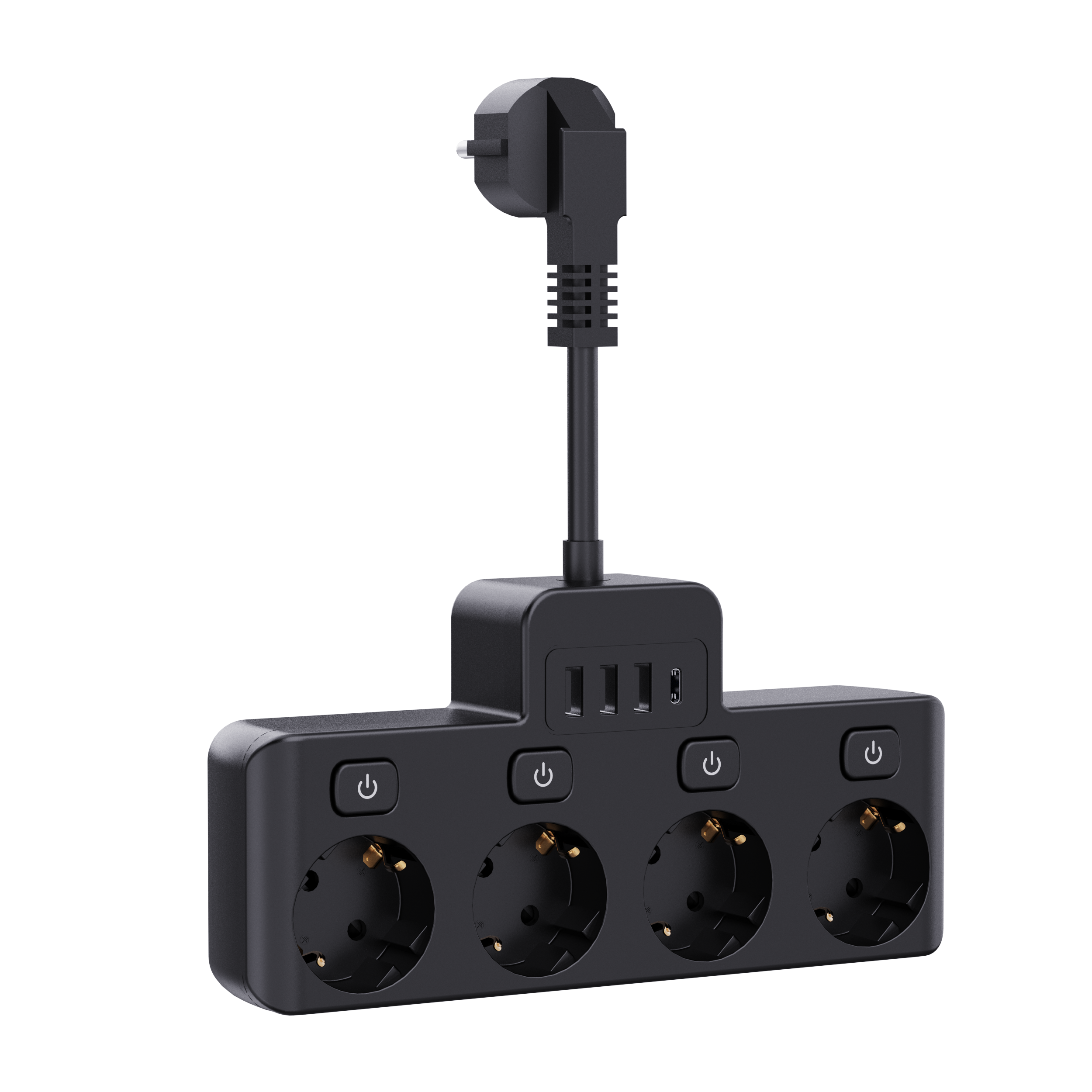
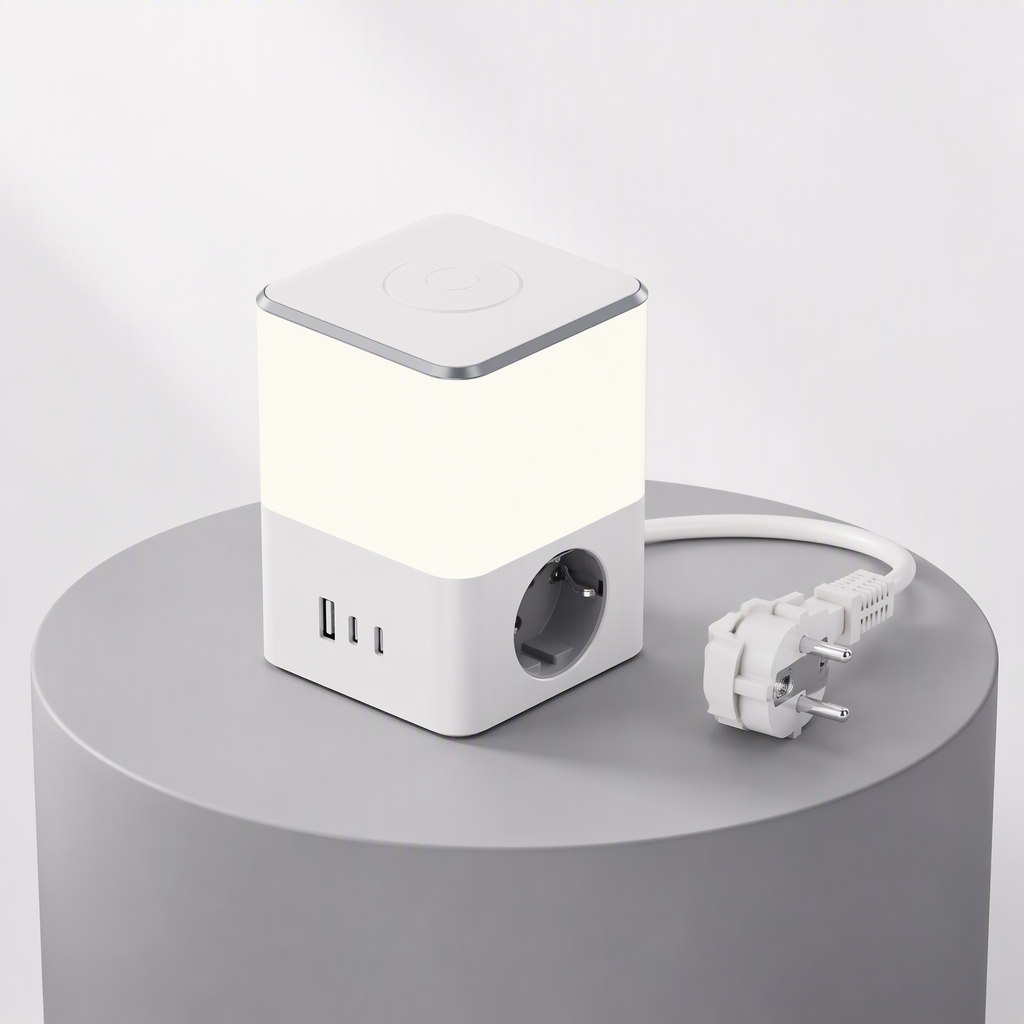
Engineered Extension, Tower & Desktop Solutions for Sapporo Importers

Factory-direct OEM/ODM manufacturing engineered for commercial facilities, sub-zero residential heating infrastructure, smart co-working spaces, and high-load hospitality developments across Sapporo.
Regional Engineering Context

Localized Application Scenarios in Sapporo's Urban & Sub-Zero Microclimate

Sapporo represents one of the world's most unique metropolitan power environments: high-density multi-story architecture combined with harsh sub-arctic winter conditions, extreme seasonal indoor heating cycling, and stringent fire-prevention mandates.

High-Insulation Residential (Kou-Dan-Netsu)

Sapporo residences utilize ultra-sealed insulation envelopes. Continuous winter indoor operation of kerosene heater blowers, humidifiers, and supplementary electric floor heating places extreme static electrical loads on single branch circuits. Our tower sockets integrate copper alloy busbars capable of handling steady-state currents without thermal drift, while physical safety shutters eliminate tracking phenomena caused by dry ambient dust accumulation.

Sapporo Valley IT Hubs & Startup Workstations

Along the JR Sapporo Station to Odori corridor, fintech startups, game design studios, and cloud infrastructure operations operate 24/7 workstation clusters. Vertical tower power strips optimize compact desk footprints by delivering up to 12 AC terminals and dedicated USB-C Power Delivery (PD 67W / 25W), clearing peripheral clutter while providing multi-stage surge suppression against Hokkaido grid switching transients.

Snow Resort Lodging & Multi-Standard Hospitality

Serving gateway traffic heading to Niseko, Rusutsu, and Kiroro, premium hospitality properties throughout Chuo-ku and Jozankei require multi-voltage, multi-protocol charging hubs. Integrated Qi wireless pads and high-wattage USB-C fast charging eliminate bulky travel adapters for international ski tourists while guaranteeing compliance with non-combustible casing requirements (UL94 V-0 flame rating).

Ishikari Bay Cold-Chain Logistics Hubs

Industrial warehousing and distribution facilities around Ishikari Bay New Port operate under extreme temperature differentials between indoor frozen staging zones and heated dispatch terminals. Our sockets feature low-temperature stabilized PVC/rubber blended cabling (tested down to -30°C without micro-fracturing) ensuring total continuity for handheld barcode scanner arrays and mobile telemetry tablets.

Smart Home Renovation & Retrofitting

With an aging housing stock transitioning into high-efficiency smart homes across Toyohira and Kita wards, older electrical backplates lack adequate modern grounded outlets. Desktop clamp strips and compact cube splitters allow residents to expand plug availability without intrusive wall chiseling, providing individual zero-watt cut-off rocker switches that eliminate vampire power consumption.

Healthcare & Clinic Auxiliary Outlets

Municipal outpatient clinics and wellness centers in suburban Sapporo require dependable power distribution for diagnostic tablets, sterilization units, and air-purification arrays. Strict electromagnetic shielding (EMC 2014/30/EU compliant) guarantees that high-frequency switching noise from USB power bricks does not interfere with sensitive medical monitoring equipment.

Hokkaido Market Dynamics

Hokkaido’s Green Transformation (GX) and the Next Evolution in Socket Sourcing

The City of Sapporo and the broader Hokkaido prefecture have emerged as national testbeds for Japan's Green Transformation (GX) initiatives, leveraging Northern Japan's abundant onshore wind, solar, and biomass potential. With municipal mandates targeting zero-carbon municipal operations and commercial decarbonization by 2050, commercial power hardware specifications are shifting rapidly from commodity extension cords toward high-efficiency, monitored power management systems.

In commercial tenders across Sapporo, buyers increasingly prioritize three distinct technical parameters:

  • Elimination of Standby Draw: Mechanical isolation via dedicated individual line switches that achieve 0.00W quiescent leakage, mitigating unnecessary winter grid pull across commercial estates.
  • GaN Fast-Charging Integration: Direct gallium nitride (GaN) onboard circuitry achieving >92% power conversion efficiency, drastically lowering heat accumulation within compact enclosures.
  • Anti-Tracking / Flame Hazard Mitigation: Fire Department statistics in Hokkaido continually emphasize winter electrical fires triggered by conductive dust lint settling between prongs. Sockets must implement urea or high-CTI (Comparative Tracking Index) engineering plastics exceeding 600V tracking resistance.
Sapporo Procurement Benchmark Comparison
Enclosure Material High-Heat Polycarbonate (PC) + ABS Alloy (UL94 V-0 Self-Extinguishing)
Internal Conductor Phosphor Bronze / High-Conductivity Integrated Copper Busbar (Zero Riveting)
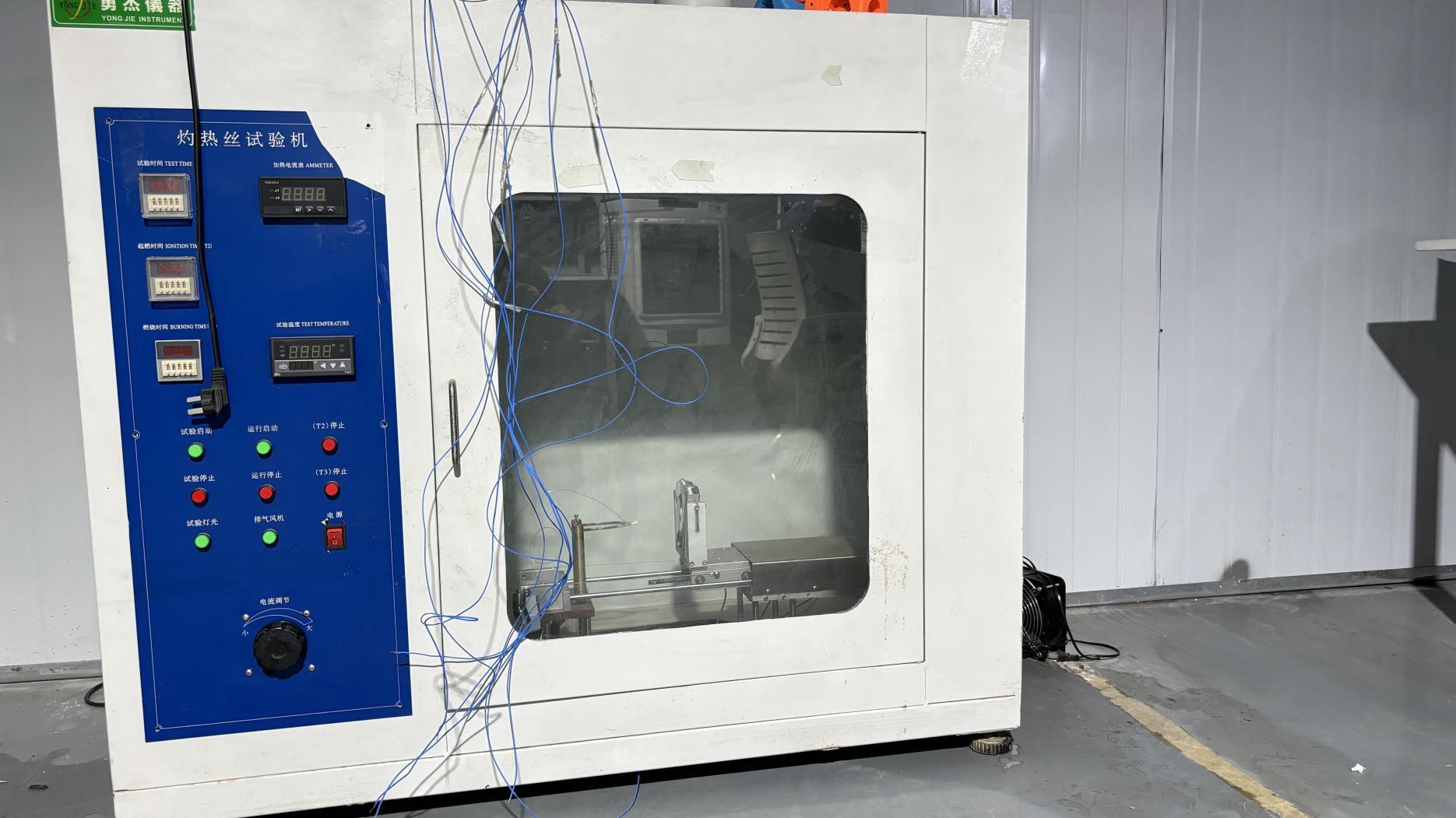
Glow Wire Resistance Tested to 750°C (IEC 60695-2-11) / 850°C Flammability Index
Cold Bend Impact Jacket flexibility verified at -25°C to -40°C under dynamic load
Surge Suppression Thermally protected MOV rating up to 1700 Joules / 10kA peak impulse
Overload Protection Thermal bimetallic circuit breaker (Auto-Trip at 105–120% nominal load)
Export Certifications GS Mark (ProdSG), CE (LVD/EMC), RoHS, KC (Korea), IEC CB Test Reports
5,200m²
Factory Floor Area
57+
Verified Technical Staff
100%
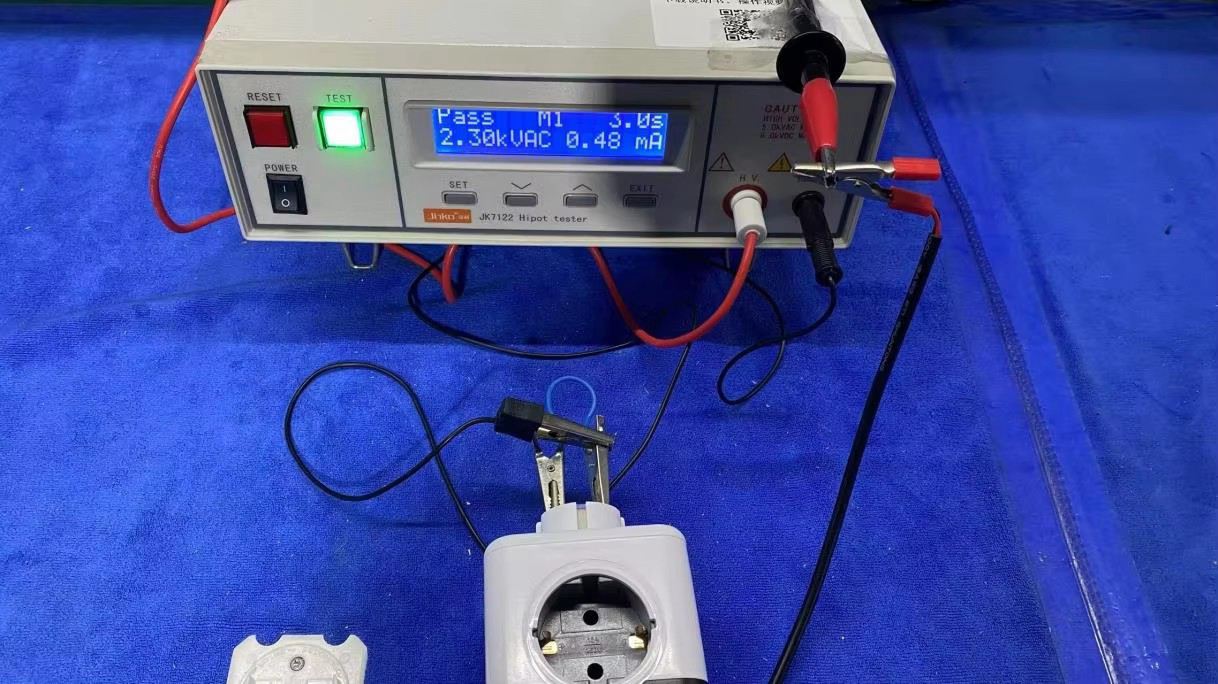
In-Line Dielectric Test
200pcs
Flexible OEM Minimum
4.7/5
Verified Buyer Rating
Verified Factory Capability

Engineering Integrity Backed by Ningbo Sykra Technology

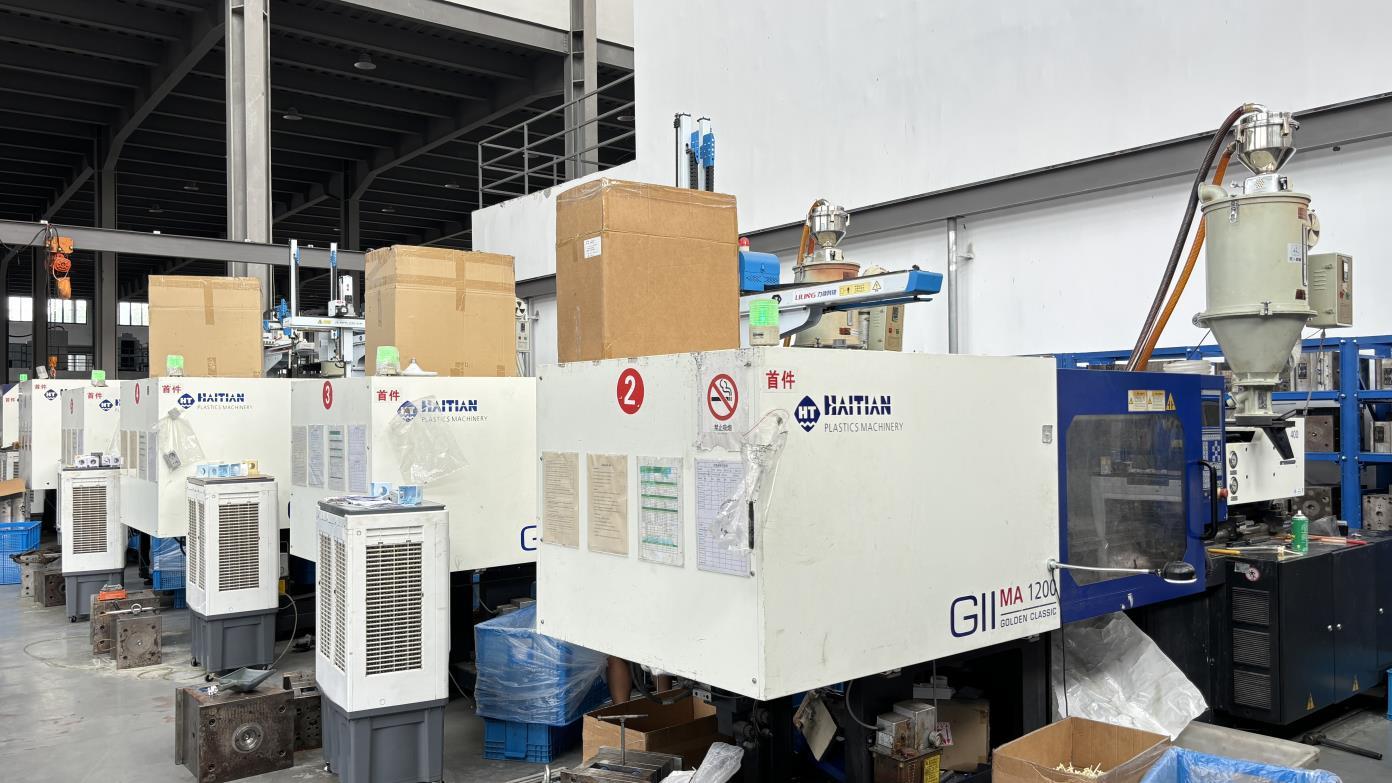
Headquartered in Ningbo, Zhejiang—adjacent to the world's premier deep-water shipping lanes—our TÜV Rheinland-audited manufacturing facility operates fully integrated production from raw resin granules to completed export cartons.

TÜV Rheinland On-Site Verification

Our 5,200 square meter plant was verified on-site by TÜV Rheinland (assessment passed 13 October 2025). We maintain audited operational transparent workflows, formal ISO quality control protocols, and full raw material traceability across plastic polymers, internal copper busbars, and semiconductor switching components.

In-House Precision Laboratory

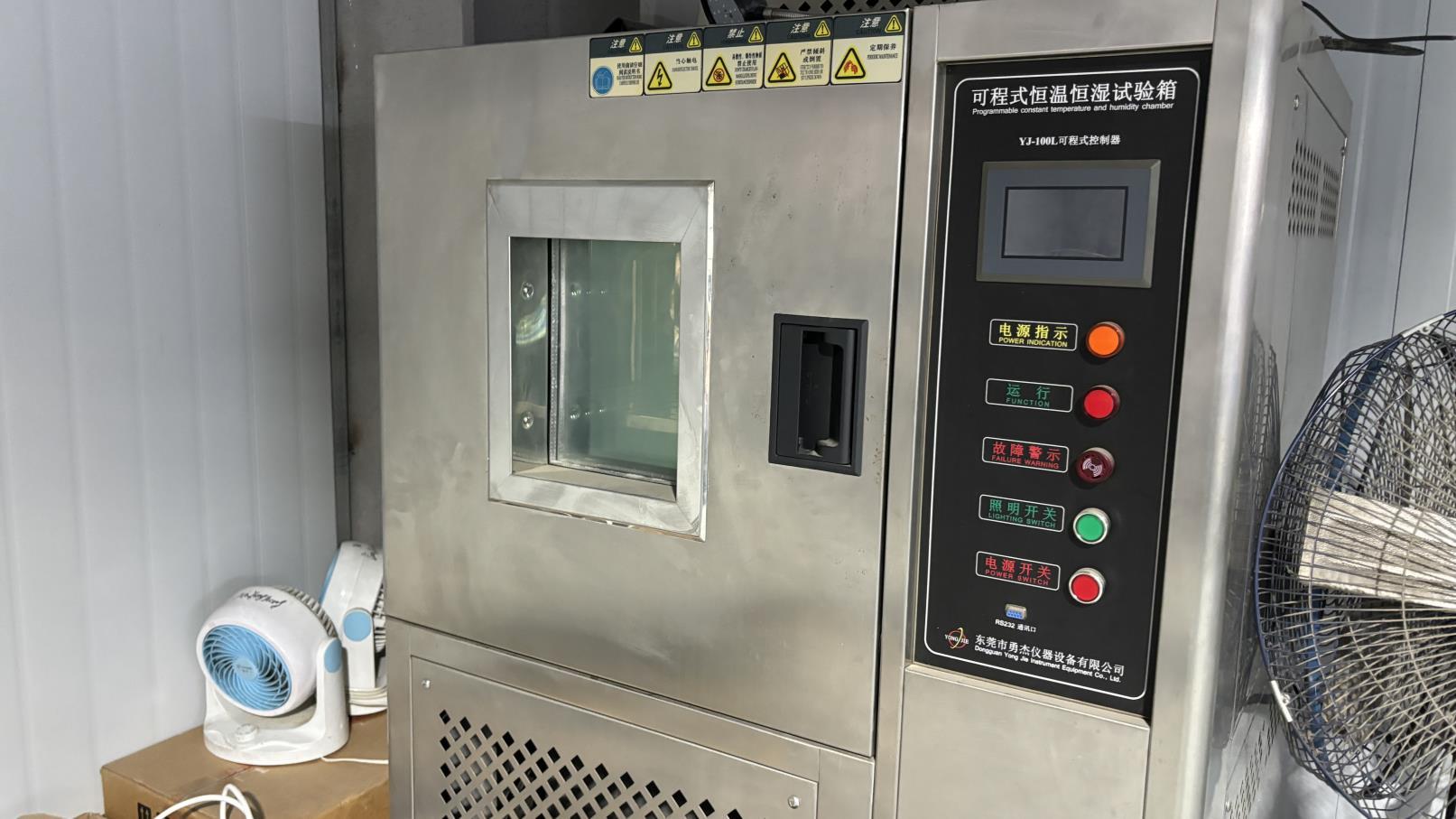
Every product run undergoes stringent in-house stress testing: 3750V AC high-voltage dielectric withstand, micro-ohm conductor resistance, 10,000-cycle mechanical insertion durability, 750°C/850°C glow-wire flammability verification, and 48-hour constant temperature-humidity thermal stress cycling.

End-to-End Vertical Manufacturing

From precision mold engineering and high-tonnage injection molding to ultrasonic conductor welding, high-speed automated laser marking, and final electro-mechanical bench inspection, all critical processes stay internal. This guarantees tight dimension controls and eliminates subcontractor delivery delays.

Direct Maritime Route to Hokkaido Ports

Leveraging direct container vessel sailings from Ningbo-Zhoushan Port to Tomakomai Port (Tomakomai Nishi/Higashi) and Ishikari Bay New Port, we provide Sapporo importers with optimized maritime logistics, expedited customs documentation packs, and rapid 3-day sample dispatch via New Chitose Airport (CTS).
Buyer Procurement Intelligence

Frequently Asked Questions for Importers & Distributors in Sapporo

Clear, definitive technical answers addressing regulatory compliance, winter thermal durability, custom branding, and shipping logistics for Japanese electrical equipment buyers.

How do your tower and extension sockets perform under Sapporo's extreme winter temperature swings? +
Our products are engineered specifically to tolerate severe thermal differentials. In northern Japan, rooms cycle rapidly between -10°C ambient cold and +25°C dry central heating. Conventional PVC cables and low-grade polymers can become brittle, crack, or suffer conductor micro-shearing under these conditions. Ningbo Sykra employs a specialized virgin polycarbonate/ABS compound with cold-impact plasticizers, paired with low-temperature flexible copper core cables (H05VV-F / synthetic rubber elastomeric jackets). All internal junctions utilize solid copper-alloy stamping rather than soldered bridge wires, preventing mechanical strain failure during prolonged thermal expansion and contraction cycles.
Can you provide custom OEM tooling for Japanese domestic configurations (PSE-compatible outlets / 100V–125V)? +
Yes. While our export lines specialize in EU Schuko (CEE 7/3), French, Korean (KC), and universal formats, our tool design department has full capability to develop customized Japanese Type A / Type B (JIS C 8303) internal busbars and external faceplates for qualified OEM volumes. We provide full support through the Electrical Appliance and Material Safety Act (DENAN Law / PSE Mark Diamond/Circle requirements), including coordinated testing with third-party designated laboratories (such as JET or TÜV Rheinland Japan) for conformity assessment certificates.
How do your socket assemblies prevent the "tracking fire phenomenon" common in dry winter buildings? +
Tracking fires occur when dust, lint, and moisture settle between live plug blades, forming a carbonized path that eventually sparks an electrical blaze—a hazard heightened in Hokkaido's sealed, heated interiors. Sykra incorporates three critical defensive layers: First, internal socket cavities feature integrated child-protection safety shutters that seal the plug aperture when no pin is inserted, blocking airborne dust. Second, our housing materials pass stringent glow-wire tests at 750°C and 850°C without sustaining flame (UL94 V-0 flame-retardant rating). Third, plug pins and receptacle collars can be specified with insulated thermoset tracking-prevention resin sleeves.
What are the minimum order quantities (MOQ) and lead times for OEM branding and customized packaging? +
We support agile supply chains: standard catalog items in custom housing colors with silk-screened or laser-engraved corporate branding start at an MOQ of only 200 to 500 units per model. For bespoke retail packaging—such as bilingual Japanese/English window boxes, barcode stamping, and custom inner inserts—the MOQ is typically 1,000 units. Tooling-level ODM designs (custom molds, tailored PCB fast-charge controllers) are negotiated on an amortized basis. Initial pre-production functional samples are delivered within 7 to 10 working days, and commercial batch production is routinely executed in 25 to 30 days from final artwork sign-off.
What maritime and multimodal air freight routing is used for delivery into Sapporo? +
FCL (Full Container Load) and LCL shipments depart from Ningbo-Zhoushan Port directly onto scheduled East Asian feeder lines or transshipment routes arriving at Tomakomai Port (the primary international container gateway for southern Hokkaido) or Ishikari Bay New Port (serving northern Sapporo). Average maritime transit time ranges from 6 to 9 days port-to-port. For urgent replenishment orders, prototyping runs, or e-commerce seasonal inventory peaks, direct air freight from Ningbo/Shanghai to New Chitose Airport (CTS) guarantees customs arrival within 48 to 72 hours.
What documentation and test certificates do you provide for customs clearance and retail distribution? +
Every shipment includes an exhaustive technical compliance packet customized to the purchased SKU: official TÜV Rheinland factory inspection verification reports, GS Safety Mark certificates, CE Declarations of Conformity (covering Low Voltage Directive 2014/35/EU and EMC Directive 2014/30/EU), RoHS 2.0 chemical substance test documentation, material flammability declarations, and factory lot-specific high-voltage dielectric test records. For Japanese importers distributing cross-border or to multinational hospitality chains, complete English-language test data files are provided for seamless customs clearance.