CE Certified
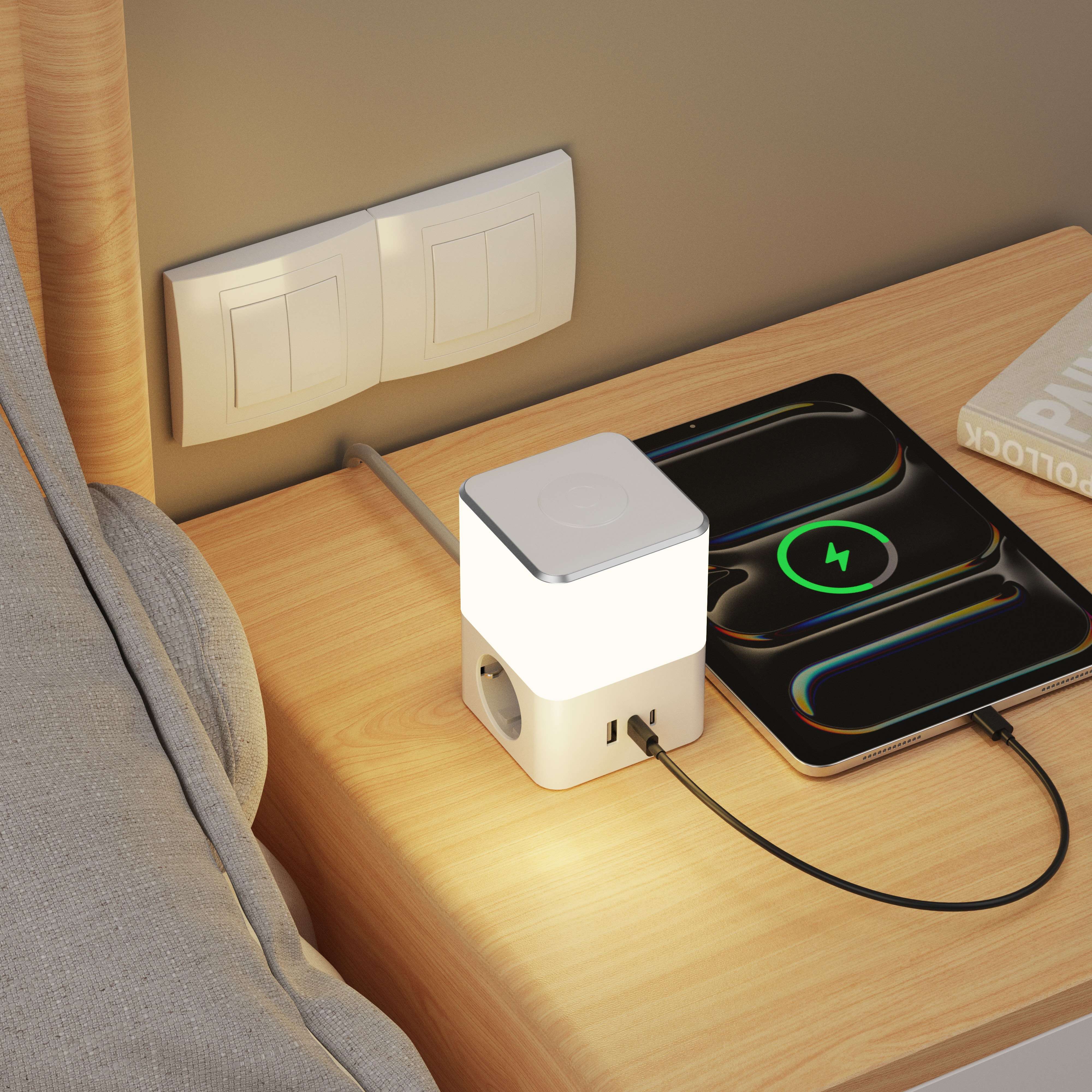
16A 250V~
17W USB + 2 Type-C
IP22 Protection
Pre-engineered OEM/ODM electrical taps certified with CE, GS, RoHS, and LVD directives, structured to resist high cyclic operational strain.
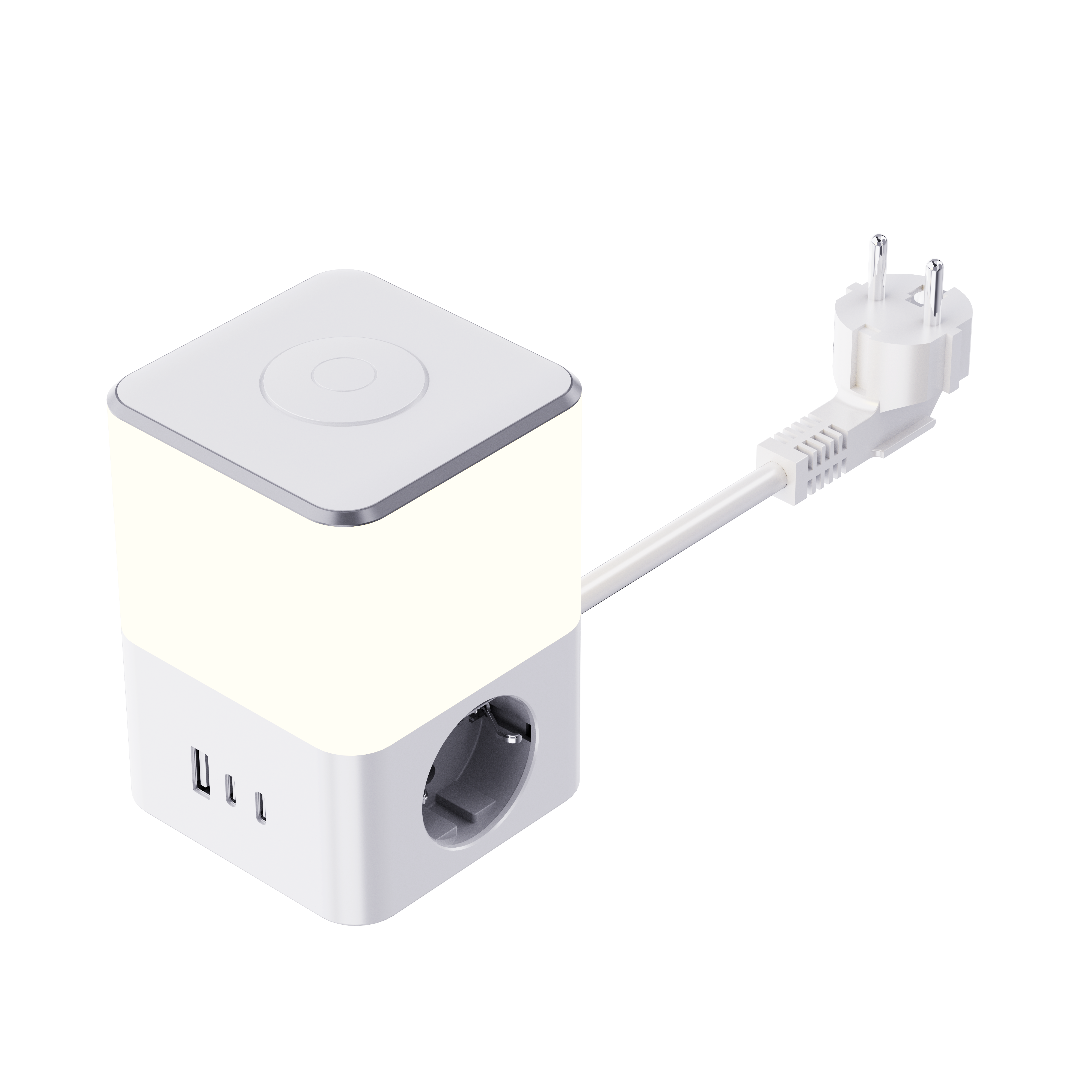
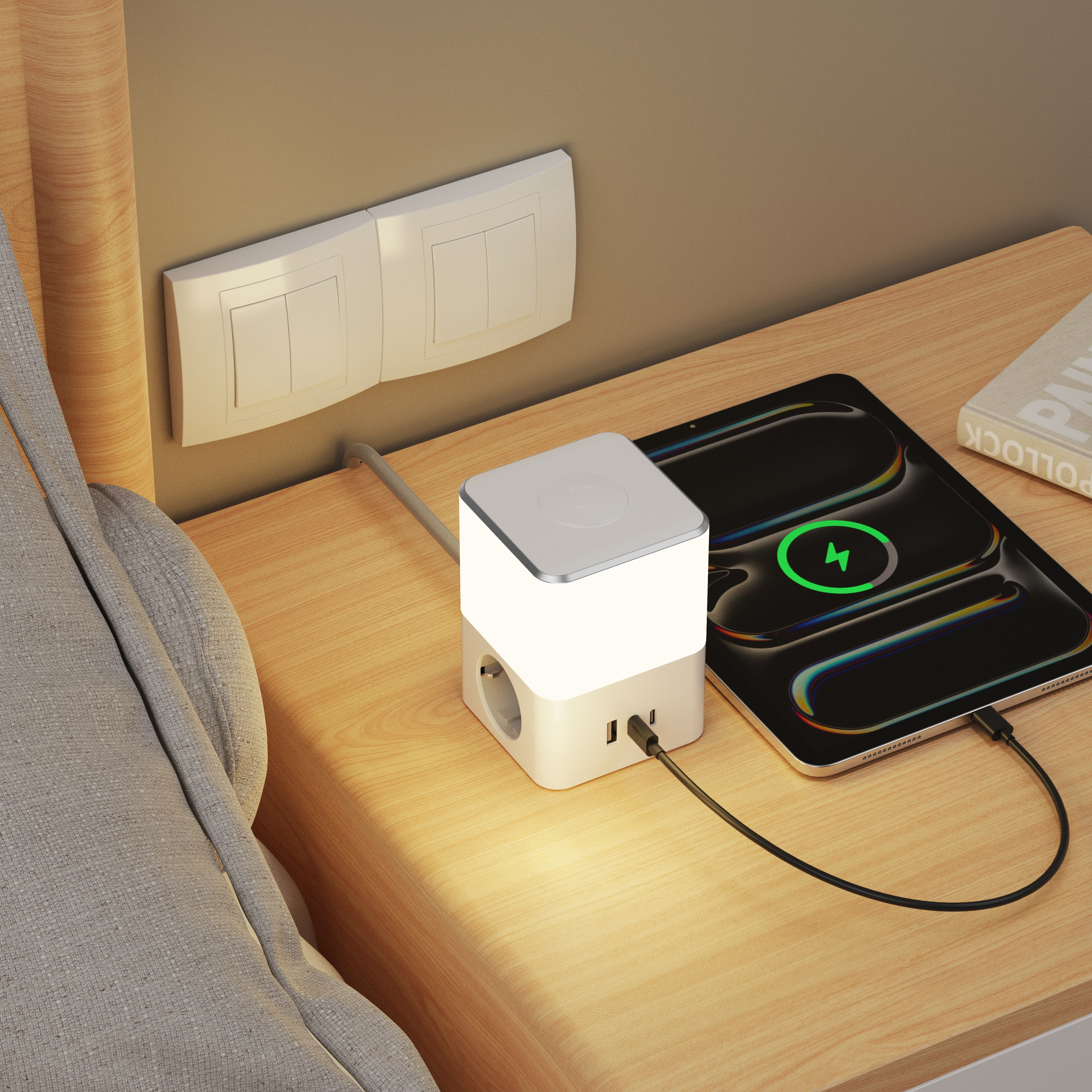
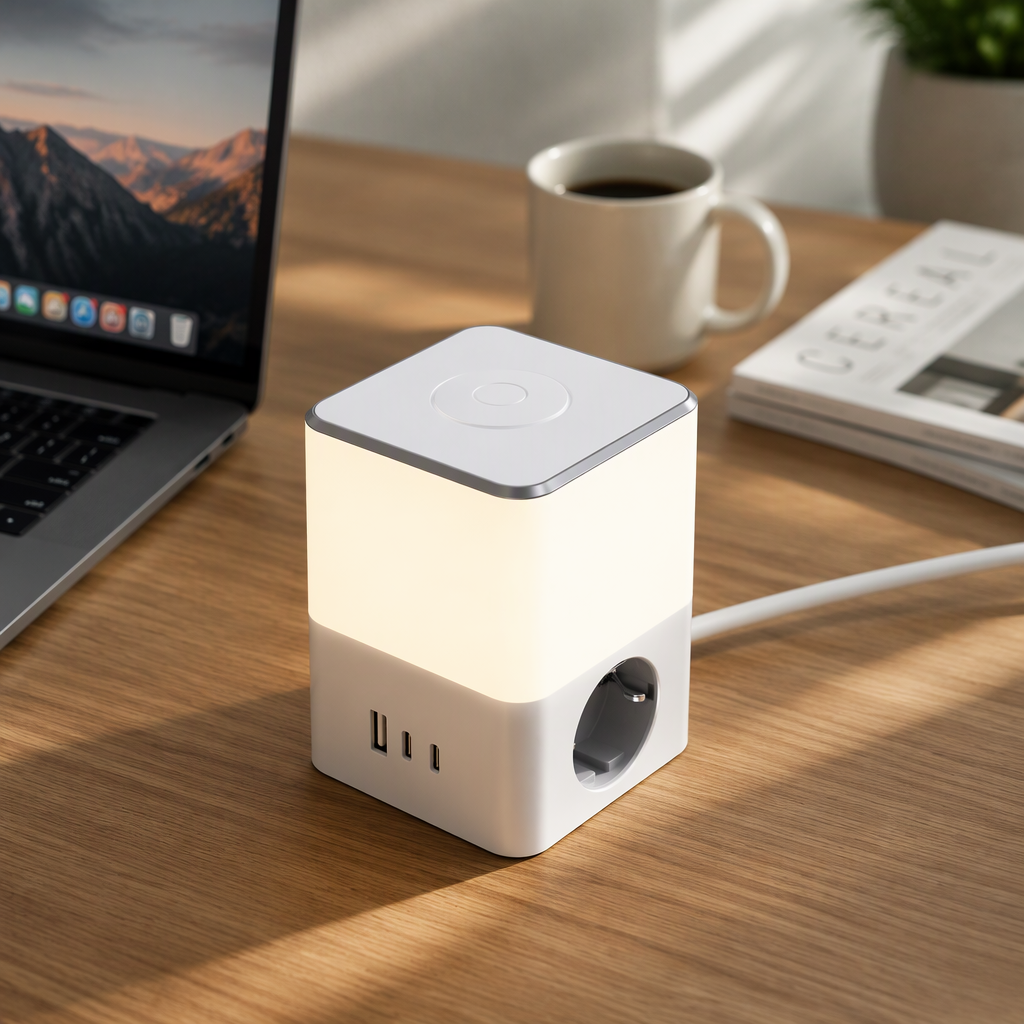
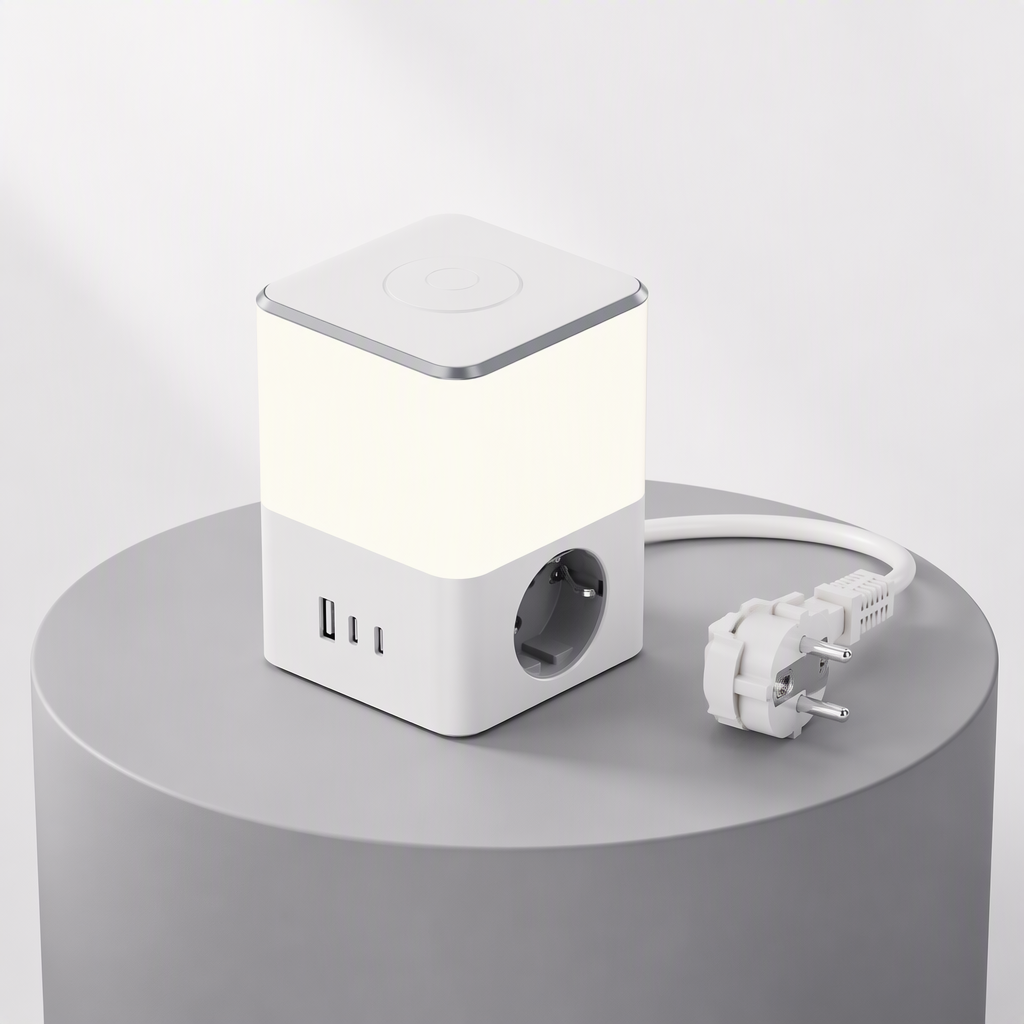
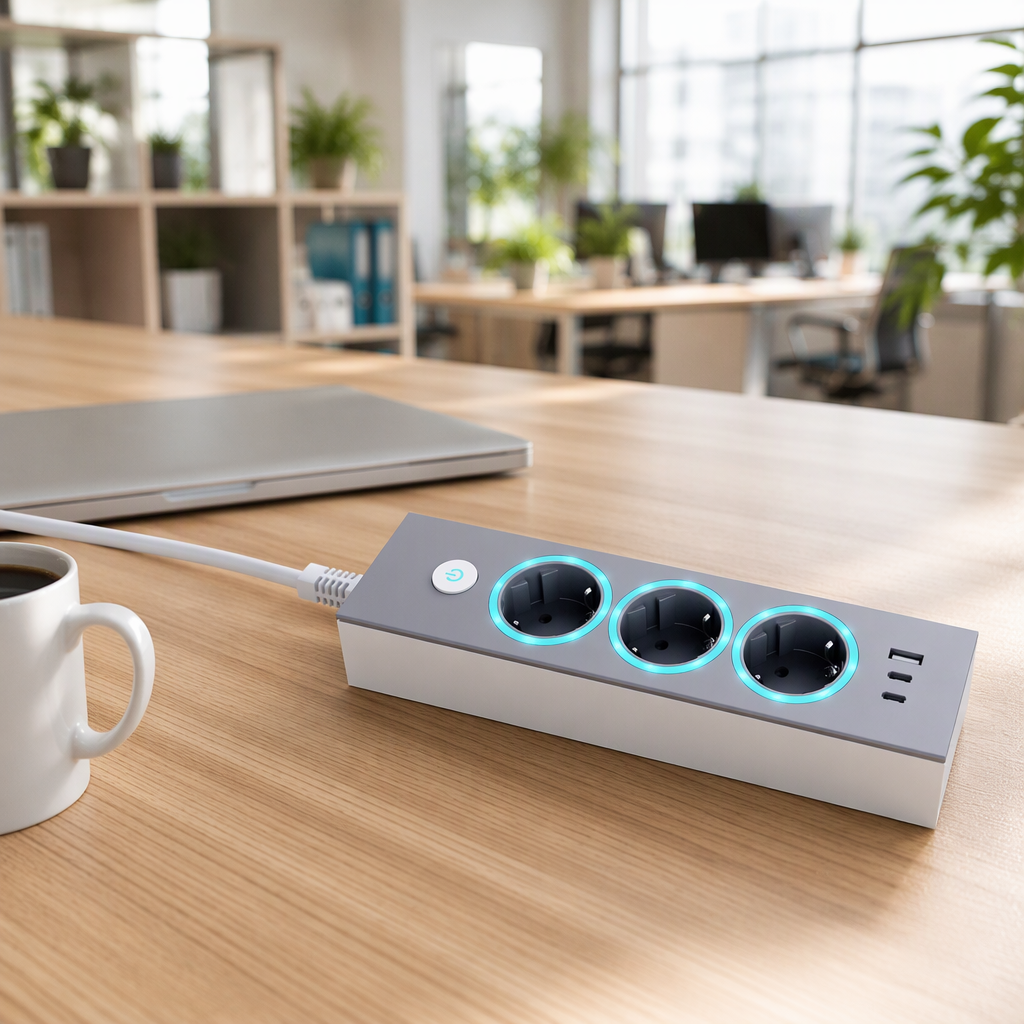
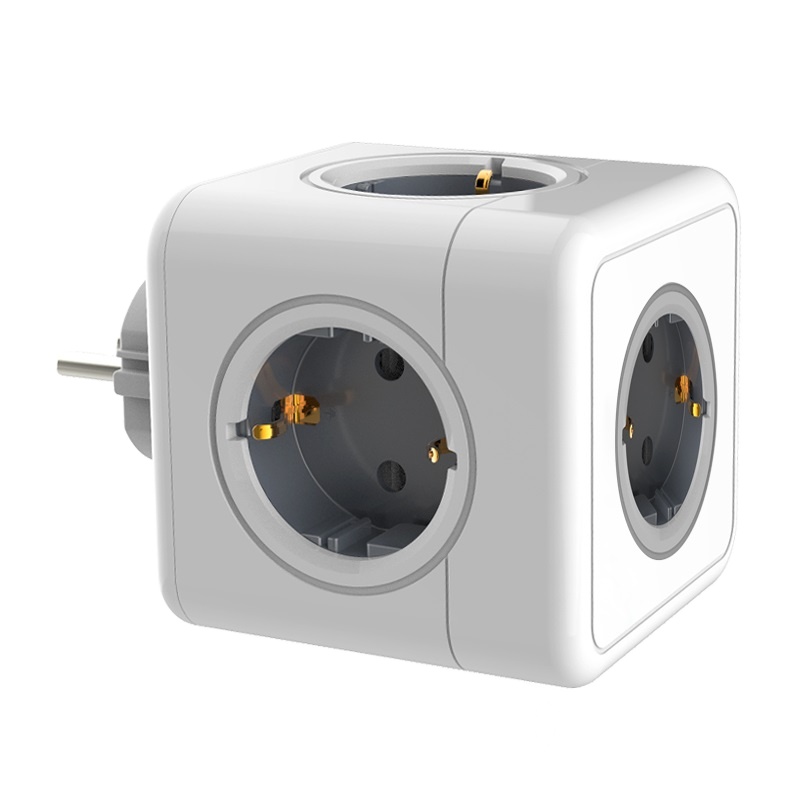
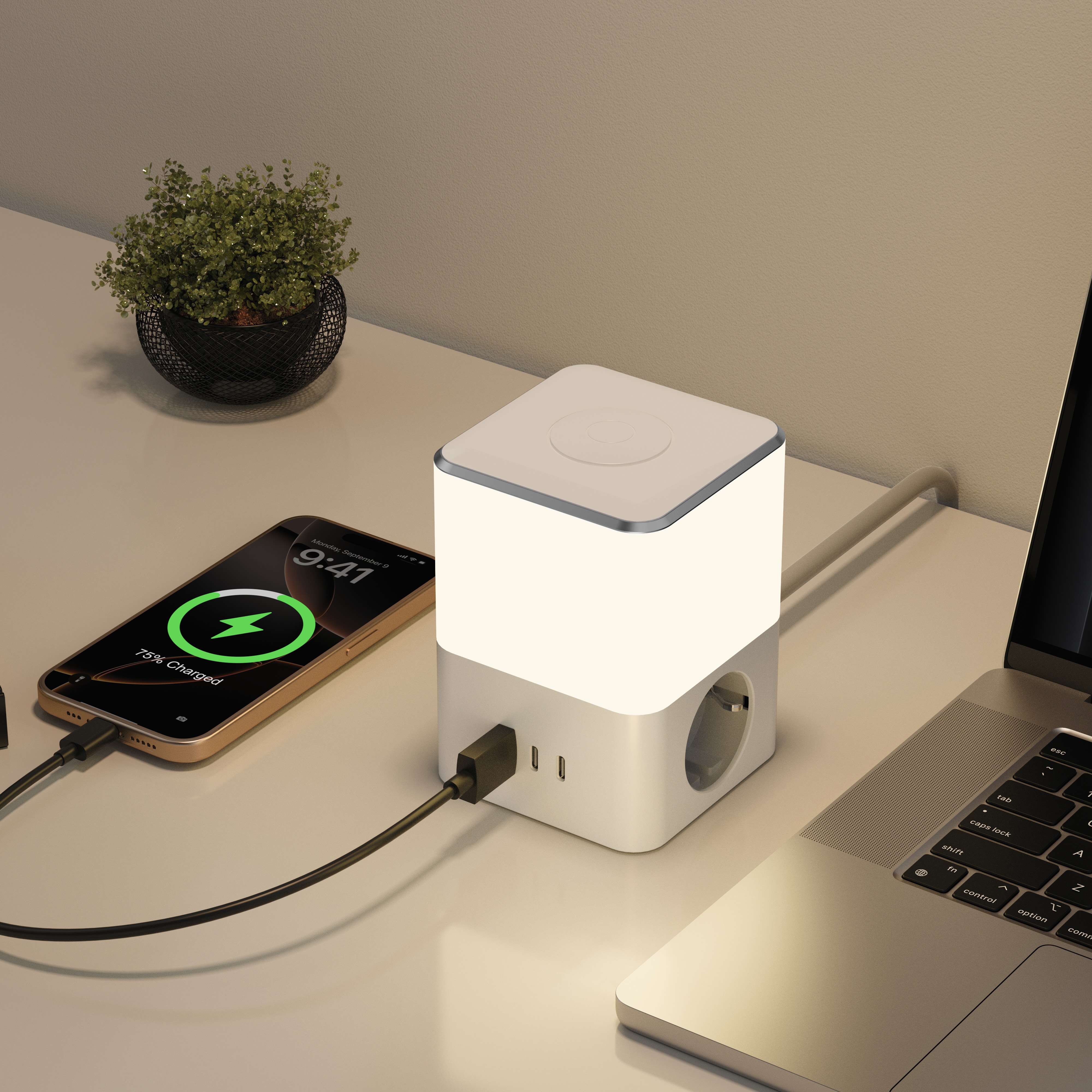
The electrical environment within the metropolitan grid of Pyongyang presents specialized parameters that institutional procurement agents, engineering contractors, and trade syndicates must systematically evaluate. The domestic and commercial mains typically supply a nominal 220V single-phase alternating current at a standardized 50Hz frequency. However, regional distribution challenges can precipitate operational variances including voltage fluctuations, harmonic distortions, and occasional transient inductive surges caused by the switching of industrial transformer loads.
Conventional horizontal power strips with parallel stamping busbars exhibit distinct vulnerabilities under sustained voltage variations, often leading to terminal overheating, degradation of dielectric polymers, and terminal arcing. Vertical tower power strip architecture fundamentally resolves these issues through vertical spatial separation, copper alloy conduction assemblies, and integrated metal oxide varistor (MOV) surge suppression matrices capable of damping spikes ranging from 300 to 1050 Joules.
Modern civil projects throughout Pyongyang—ranging from new multi-story residential districts along Songhwa and Hwasong streets to educational research centers and light manufacturing facilities—are systematically deploying centralized workstation clusters. In these specific environments, vertical tower sockets maintain a drastically reduced spatial footprint compared to traditional power extension lines, segregating AC power channels from sensitive low-voltage DC lines supplying communication hardware, educational computing equipment, and localized energy-efficient lighting.
Fabricated using UL94-V0 flame-retardant polycarbonate enclosures. Formulated to withstand 750°C glow-wire verification tests without igniting or dripping flaming particles during extreme thermal runaways.
Engineered with integrated stamping strips of high-purity phosphor bronze (CuSn6). Minimizes thermal resistance under sustained 16A/250V loads and prevents contact fatigue after 10,000+ insertion cycles.
Three-line (L-N, L-PE, N-PE) thermal-fused MOV surge suppression prevents downstream electronics damage during irregular switching sequences common to regional distribution networks.
Strategic shift toward unified DC protocol distribution, high-density modular ergonomics, and certified manufacturing accountability.
The procurement requirements for electrical equipment intended for technical infrastructure, municipal developments, and trading company allocations in East Asia have undergone a rapid structural evolution. The primary trend focuses on the elimination of external power adapter bricks through the integration of wide-bandgap Gallium Nitride (GaN) fast-charging modules directly into the power strip base. In Pyongyang's institutional settings, operators frequently operate multi-voltage terminal devices alongside personal communication tools and backup energy battery banks. Deploying vertical power towers configured with USB Power Delivery (USB-C PD 20W to 67W) significantly optimizes energy efficiency by avoiding the thermal dissipation inefficiencies typical of secondary step-down converters.
Furthermore, localized sourcing channels prioritize systems featuring CE compliance across the Low Voltage Directive (LVD 2014/35/EU) and Electromagnetic Compatibility (EMC 2014/30/EU). The strict isolation of internal electromagnetic radiation protects neighboring telecommunication links, scientific instrumentation, and audio transmission equipment from radiofrequency interference (RFI). Consequently, procurement managers are turning away from grey-market uncertified products toward audited factory suppliers operating traceable inline production protocols.
Dynamic power allocation between USB-A Legacy protocols (QC3.0, BC1.2) and Type-C PD interfaces ensure rapid universal charging across broad hardware generations without overstressing internal circuits.
Replacing traditional sacrificial wire fuses with resettable bimetallic current limiters guarantees rapid recovery after accidental line over-draw without requiring component replacements in resource-constrained environments.
Hybrid socket wells accommodate dual-pin standard plugs, CEE 7/4 (Schuko), and CEE 7/7 French-type grounded pins, securing seamless cross-compatibility for multinational capital equipment.
Sykra’s 5,200 m² Ningbo manufacturing plant guarantees micro-level engineering tolerance from virgin resin injection to computerized dielectric testing.
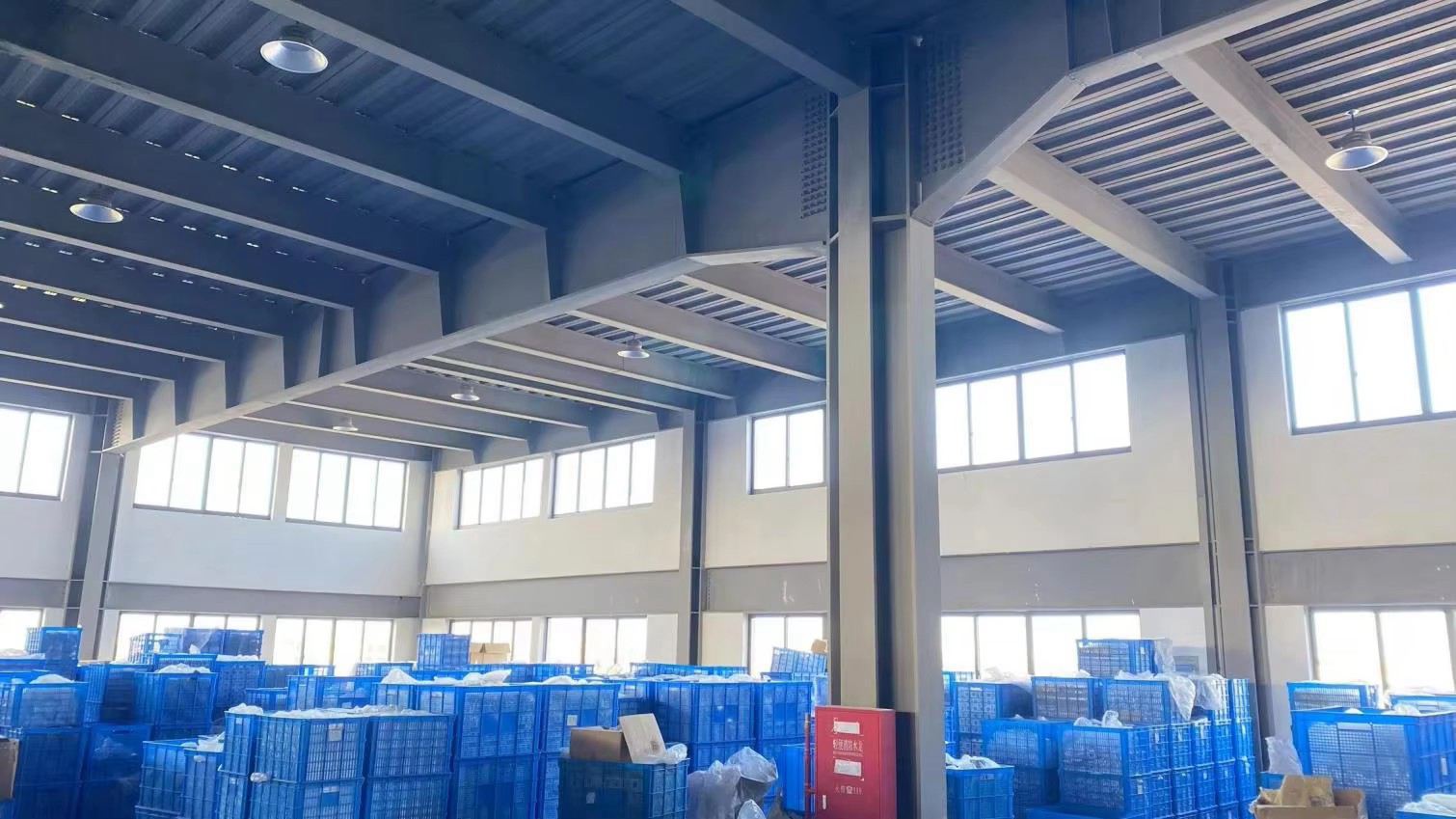 Process 01
Raw Material Verification
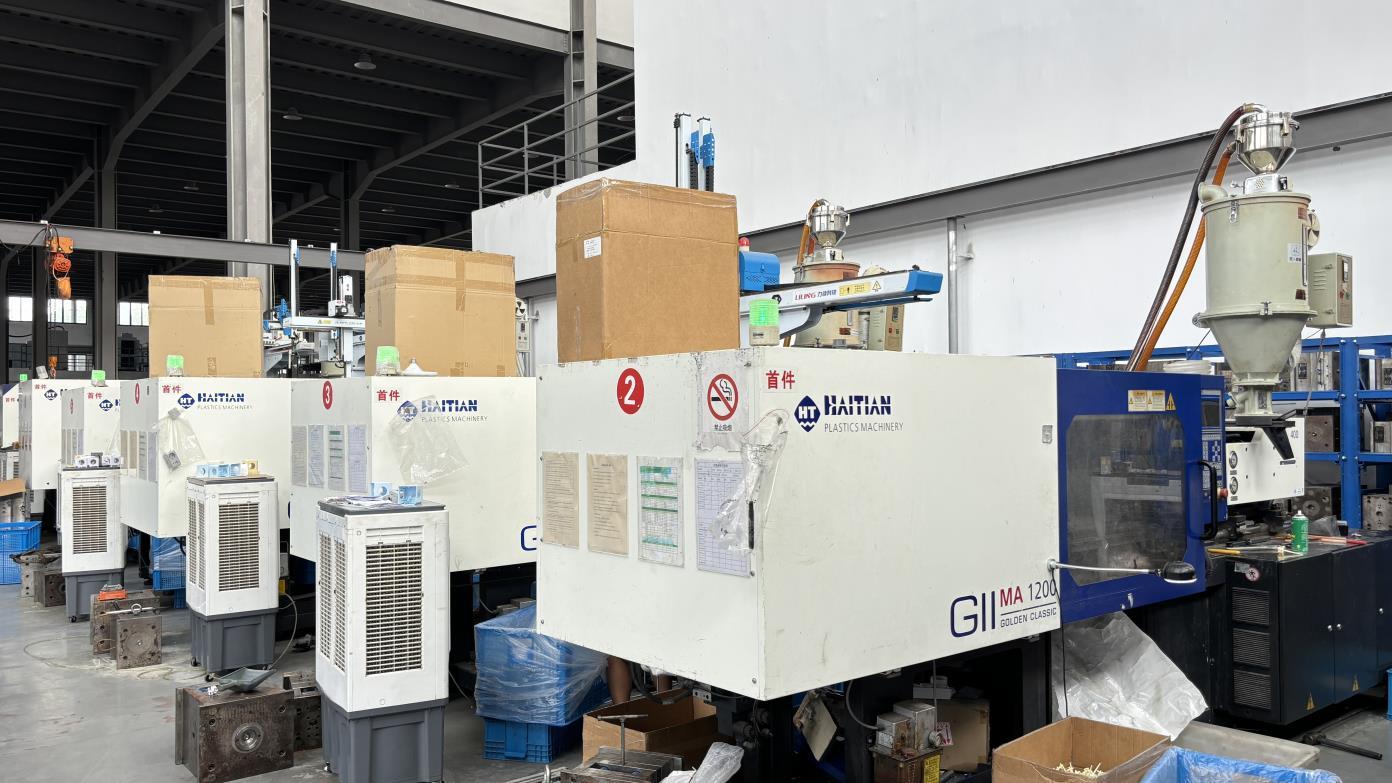 Process 02
Precision Injection Molding
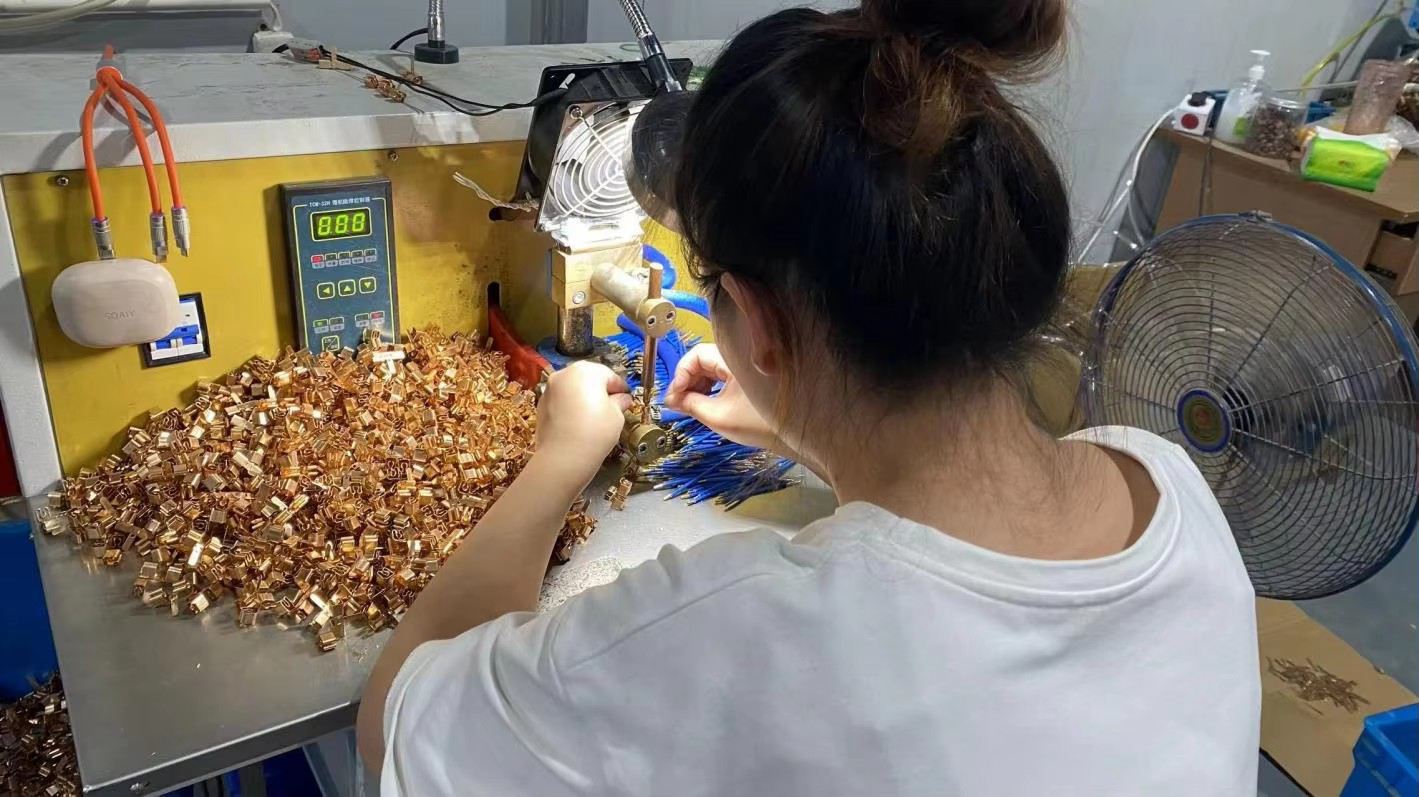 Process 03
Internal Conductor Welding
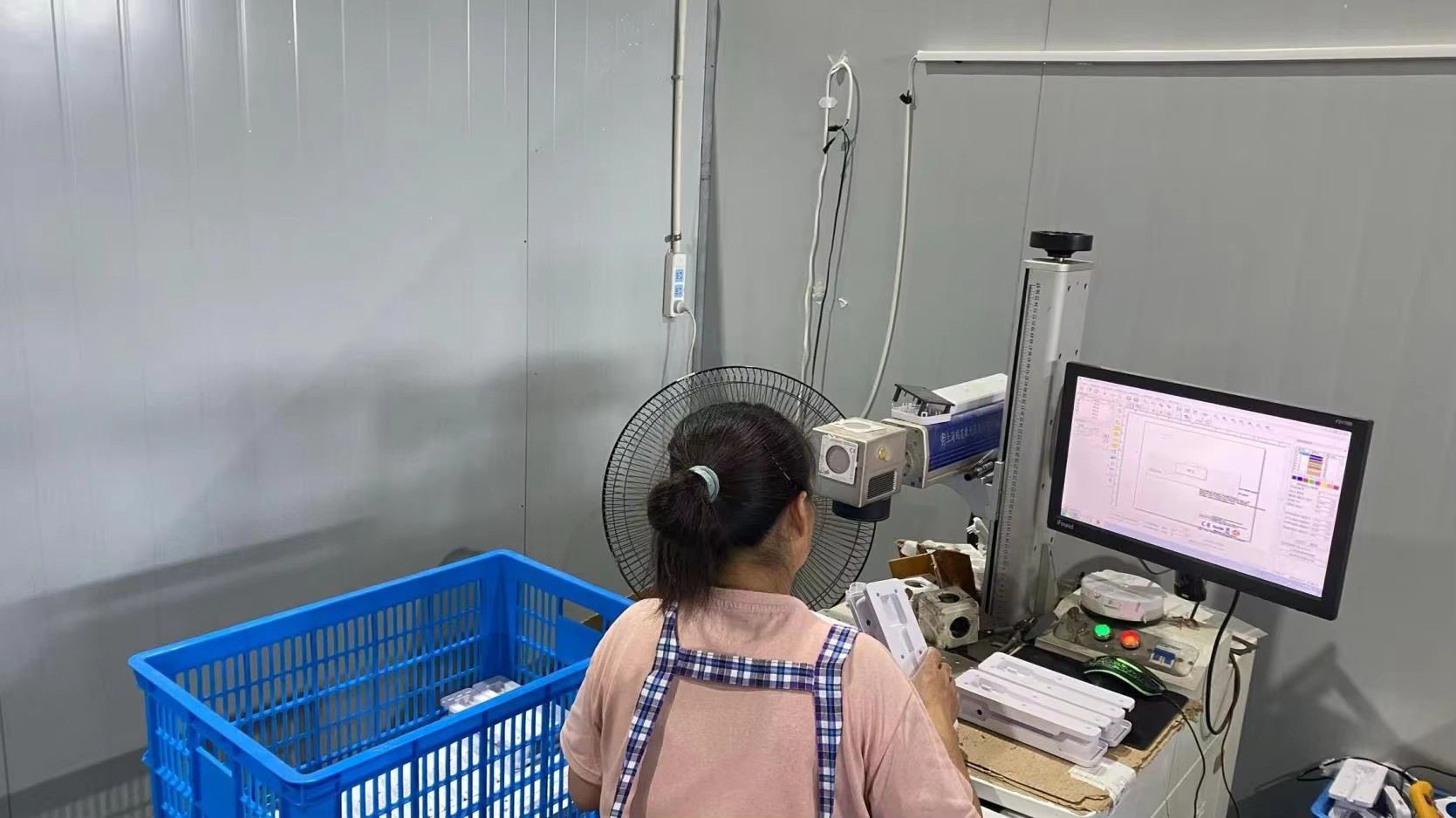 Process 04
CNC Laser Specification Marking
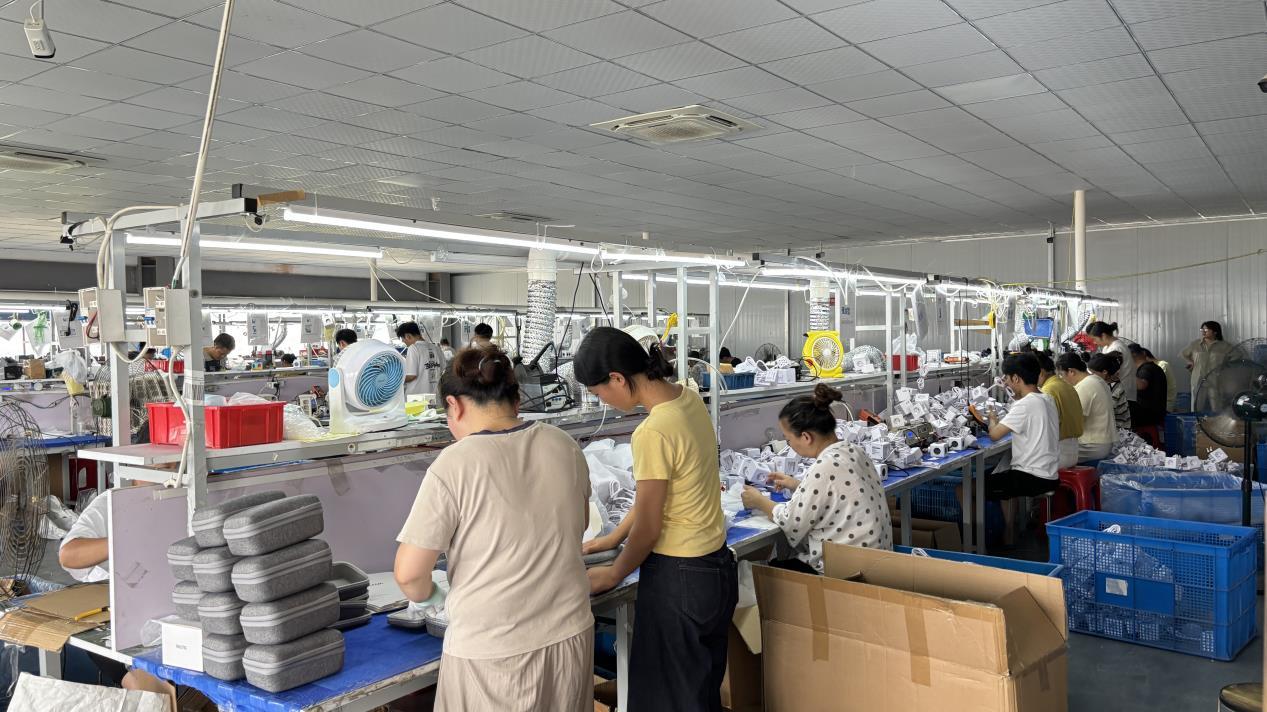 Process 05
Modular Core Assembly
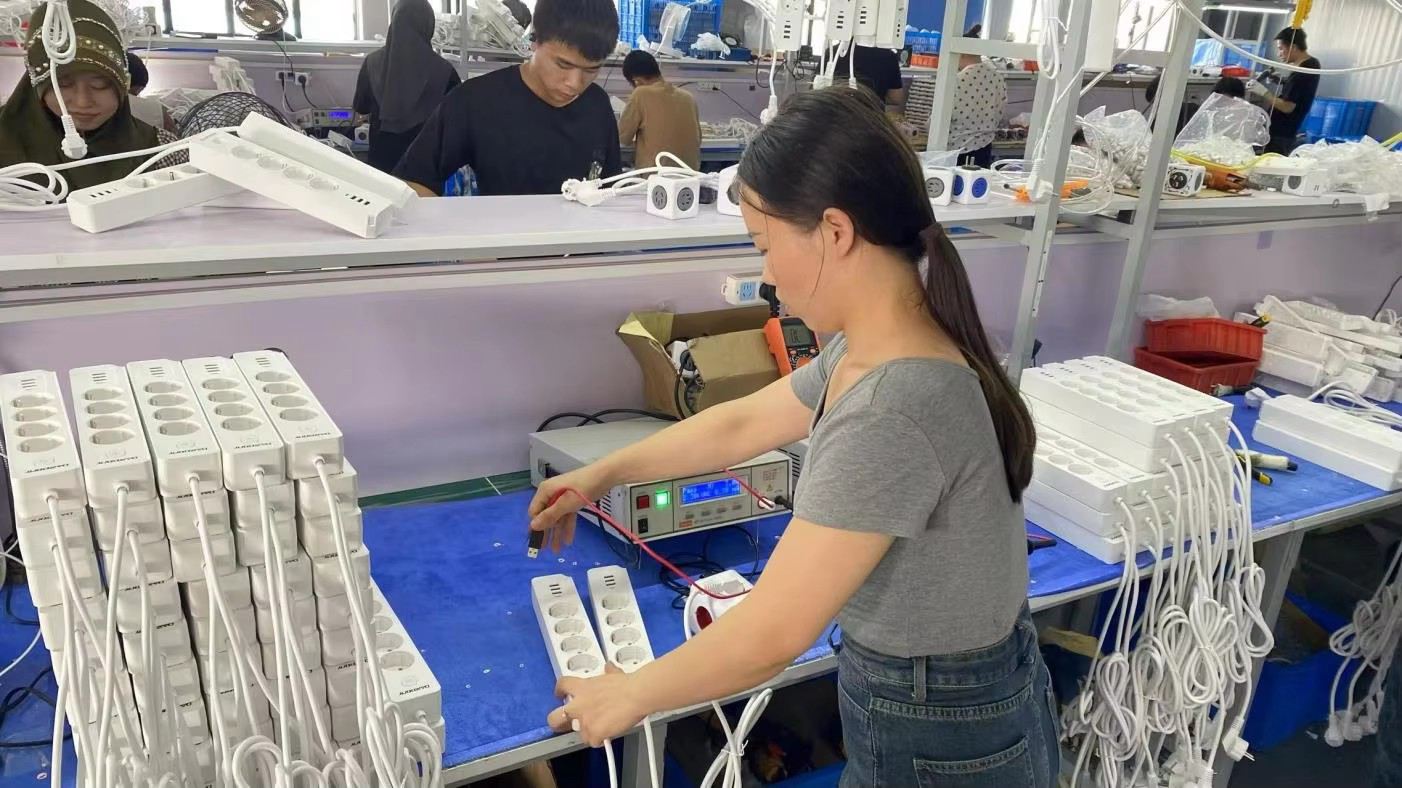 Process 06
Inline Electrical Safety Testing
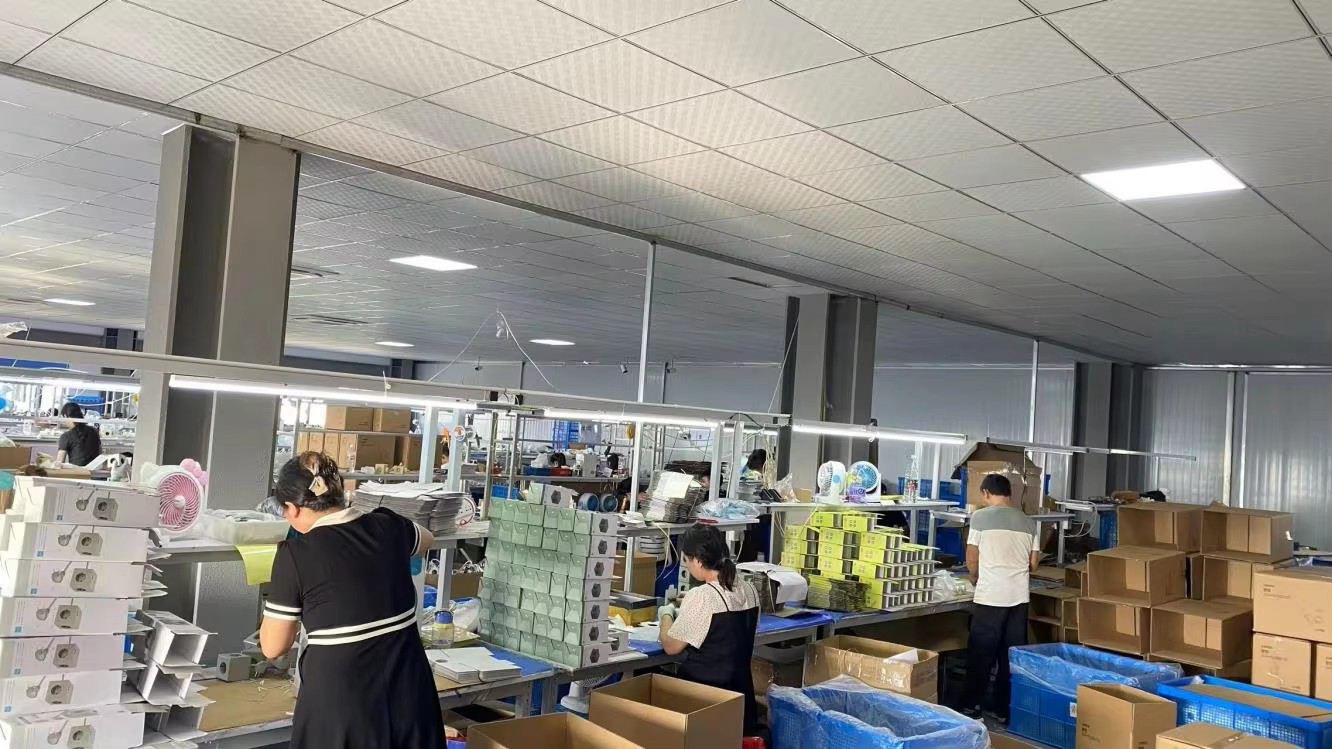 Process 07
Export Seal & Anti-Drop Packing
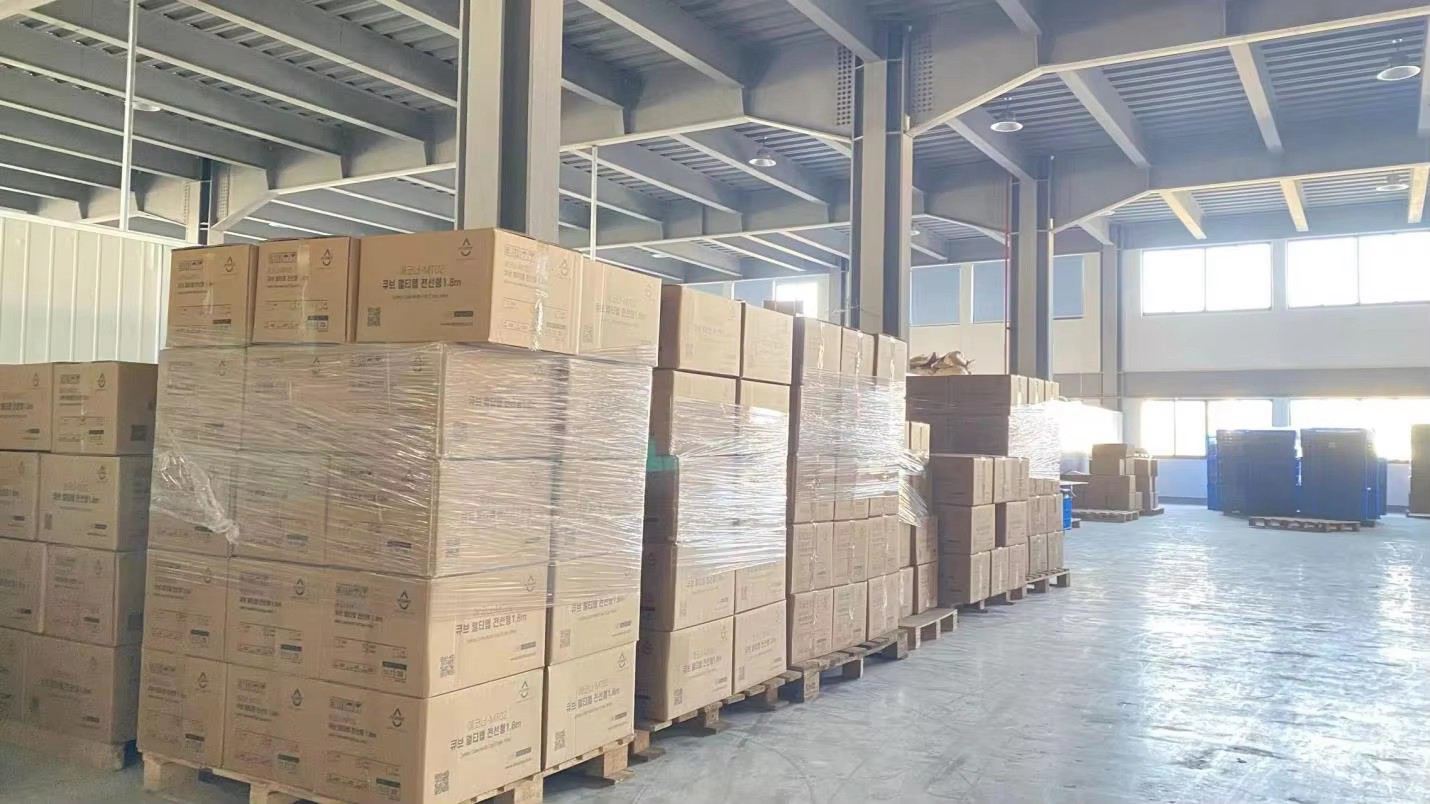 Process 08
TÜV-Audited Outbound Logistics
Unlike trading intermediaries, Ningbo Sykra Technology Co., Ltd. operates its own comprehensive in-house safety laboratories. Our equipment includes specialized High-Voltage Dielectric Withstand Testers (3750V AC leakage checks), Glow-Wire Chambers, and Constant Temperature & Humidity Testing Chambers. Verified on-site by TÜV Rheinland (Audit Assessment completed October 2025), our factory adheres to rigorous quality control regimens covering all 57 dedicated technicians and assembly lines. We support trade partners with official documentation: GS Marks, CE Certificates (conforming to EN 61242, EN 62368-1), RoHS hazardous compliance reports, and full Korean KC conformity.
Technical and logistical clarifications for bulk institutional buyers, import agents, and electrical project contractors.