Factory-Direct USB Wall Sockets & Cube Adapters
Engineered to meet stringent European (CEE 7/3 Schuko, French Type E) and Korean (KC 60884) electrical standards. Each model features integral child safety shutters, flame-retardant enclosures, and high-efficiency USB-A/USB-C Power Delivery integration.
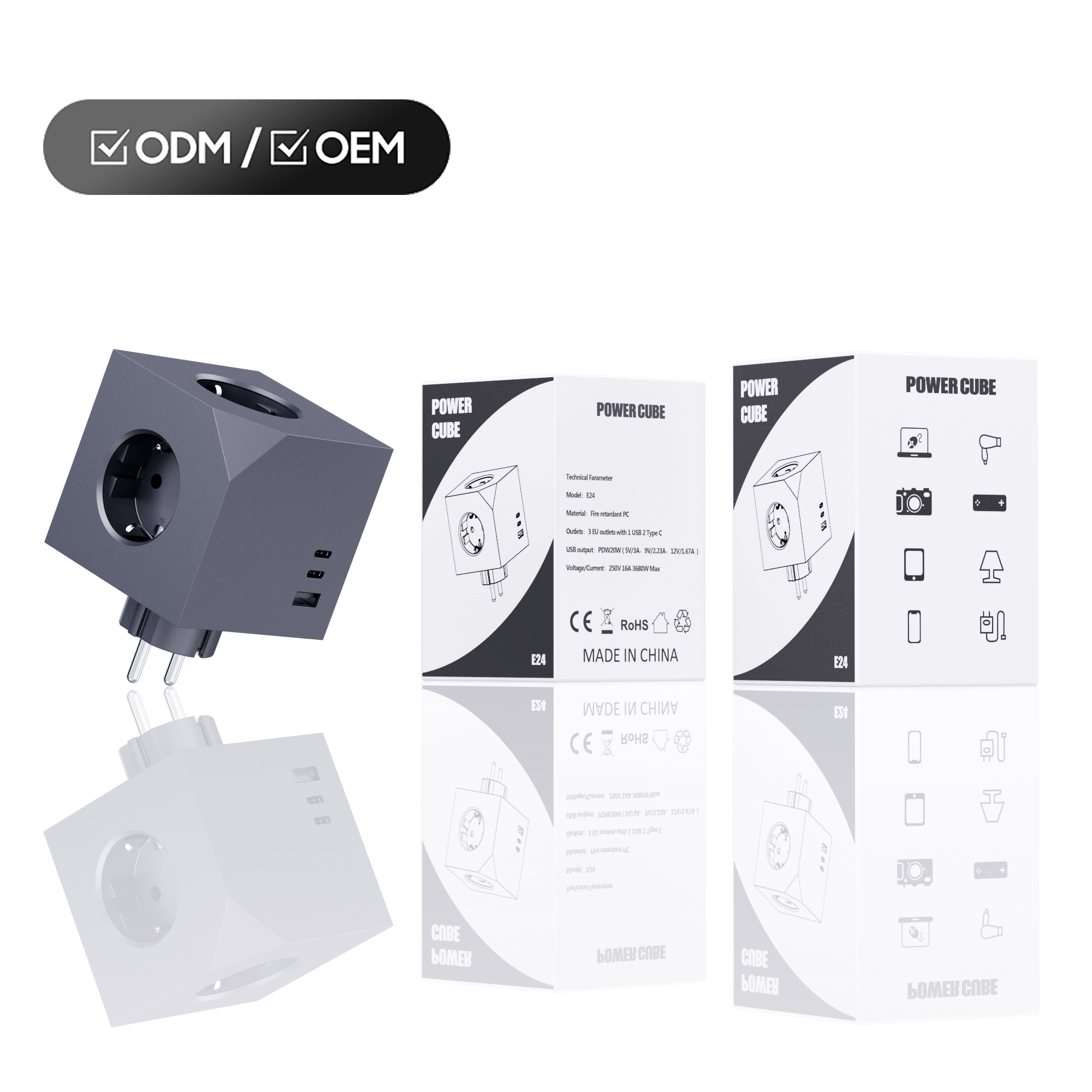
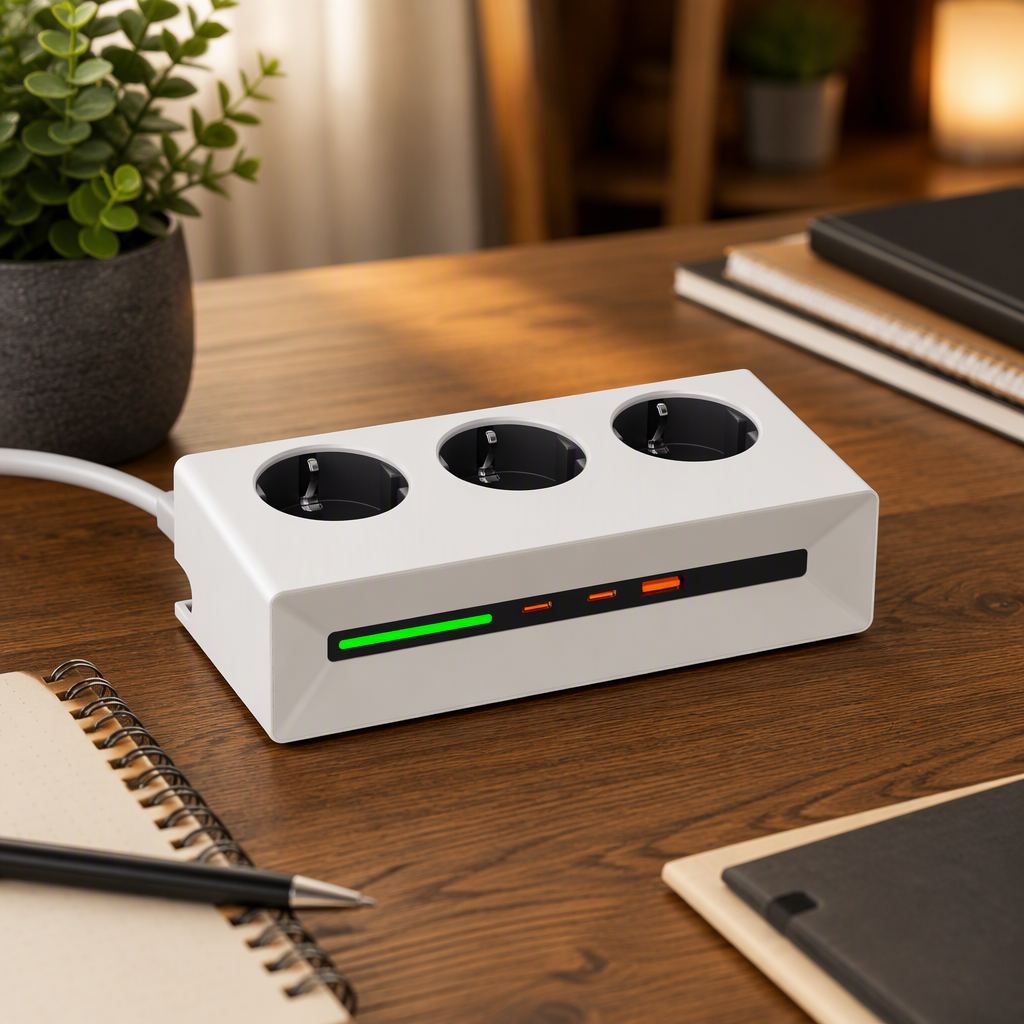
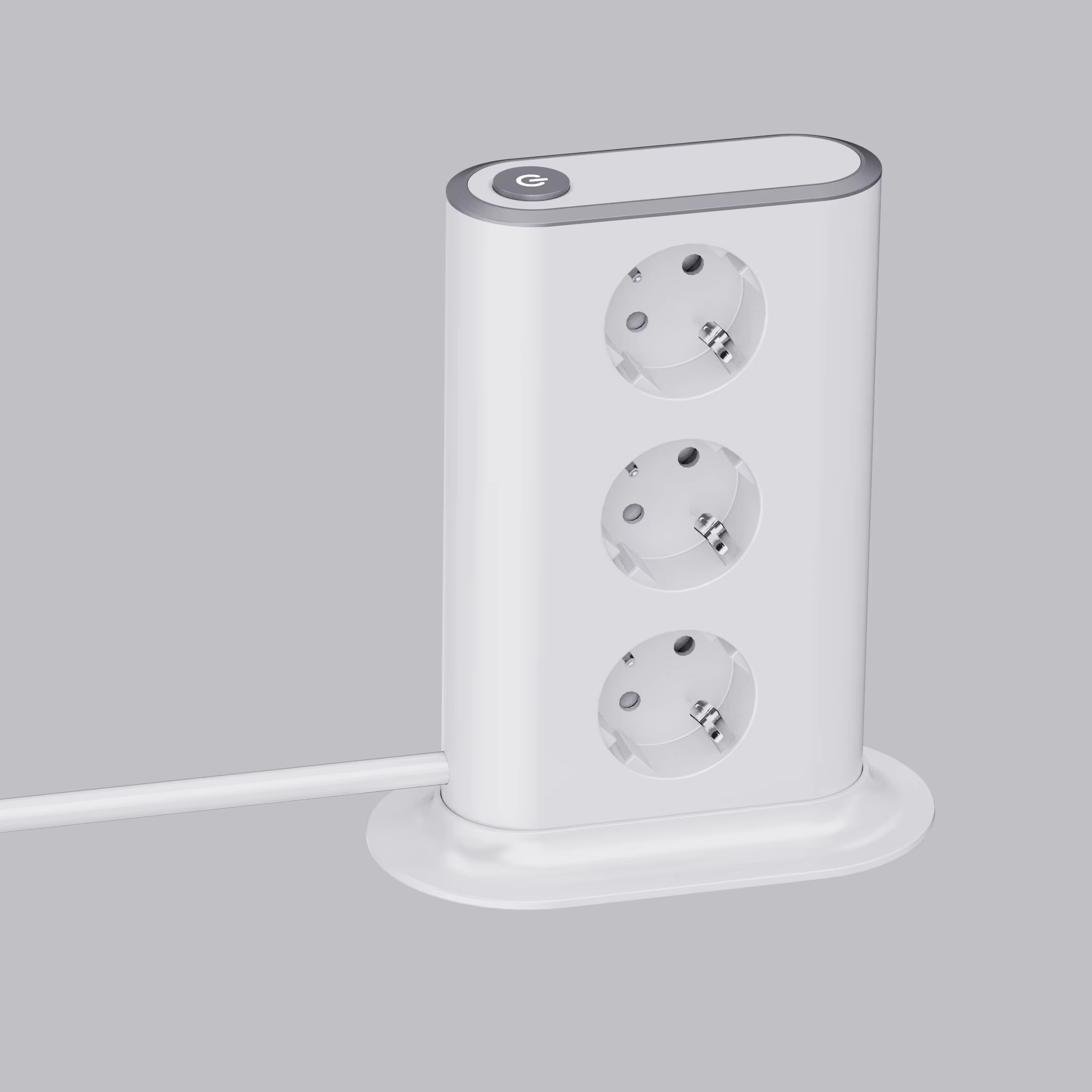
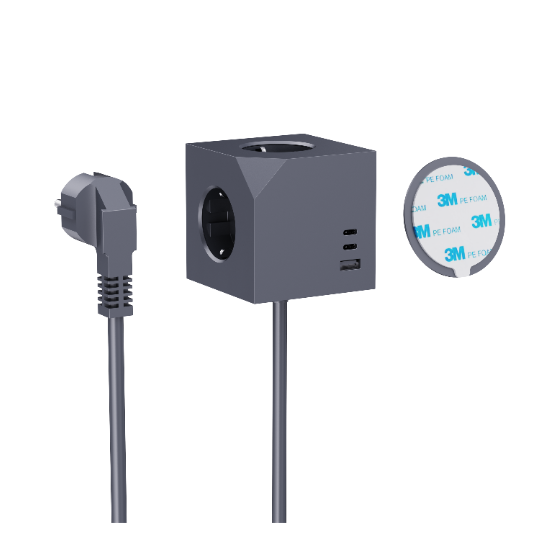
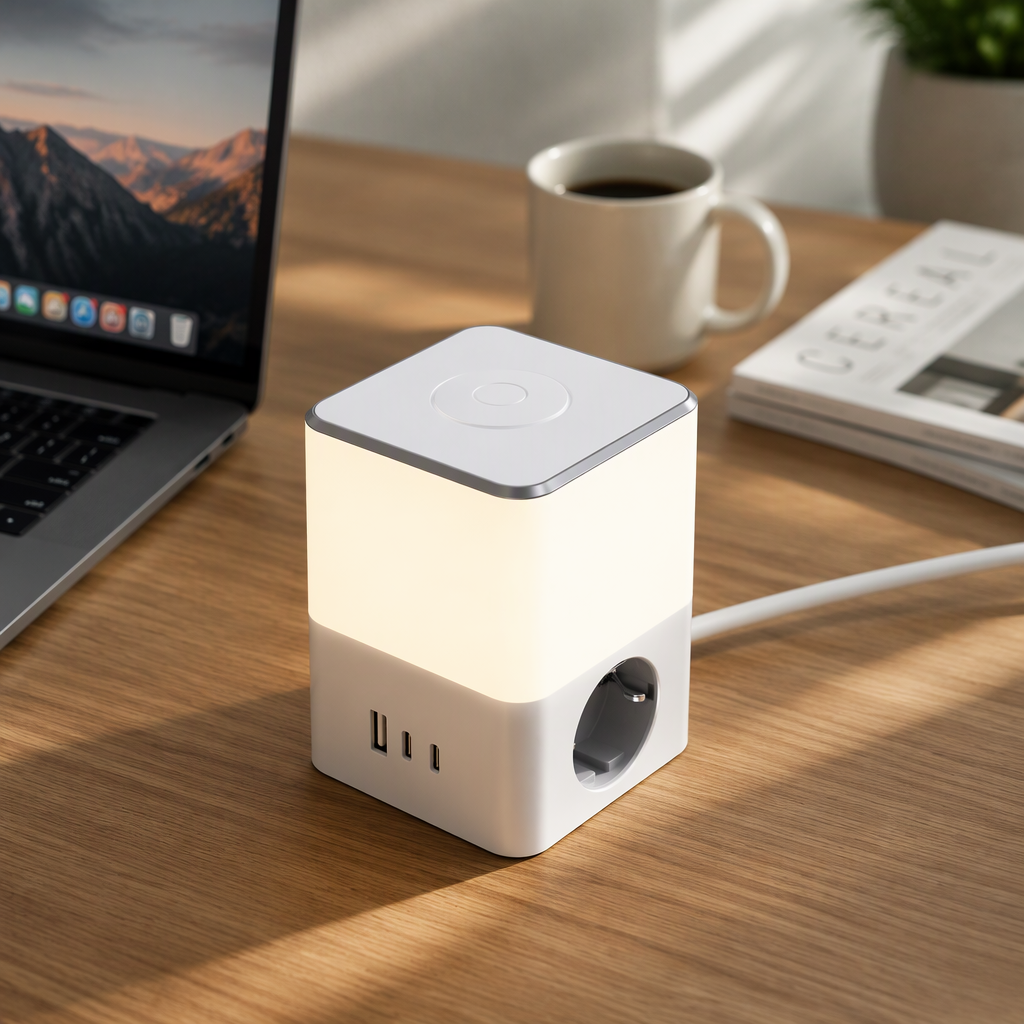
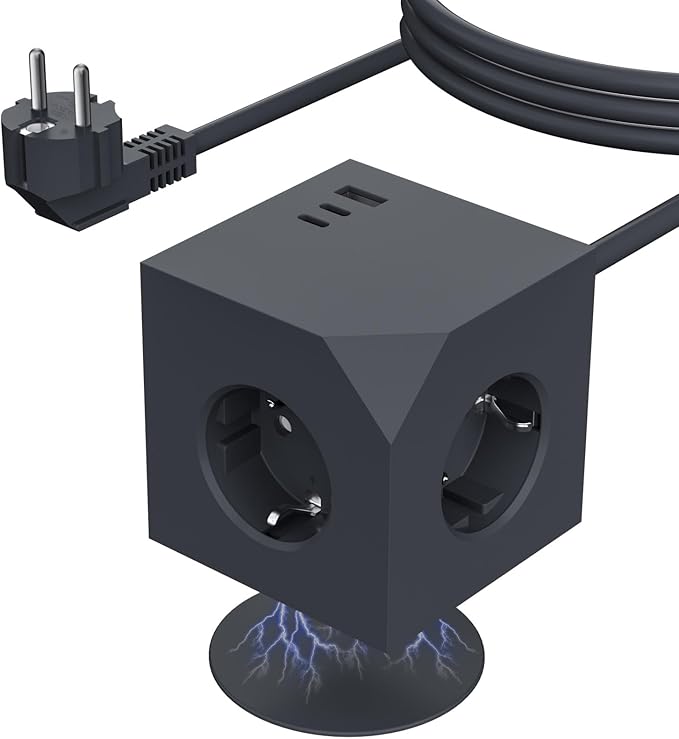
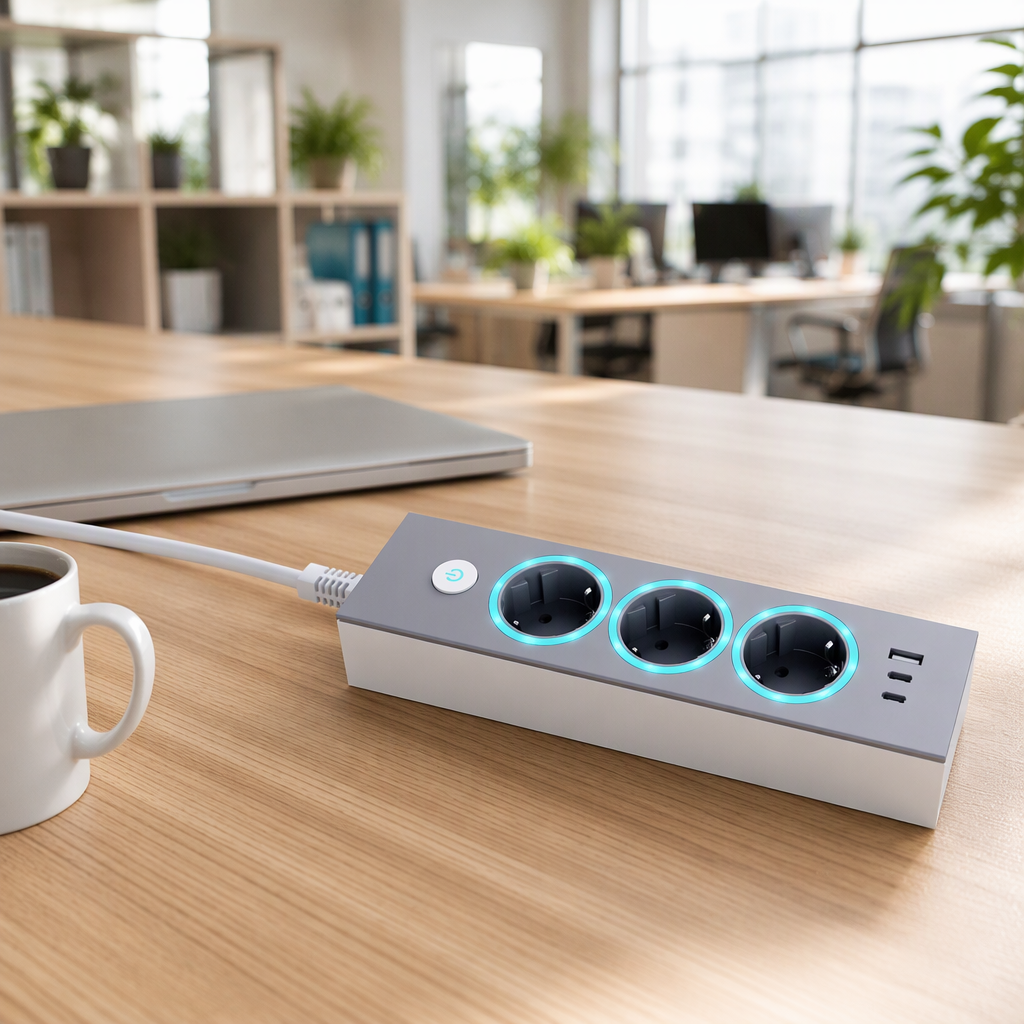
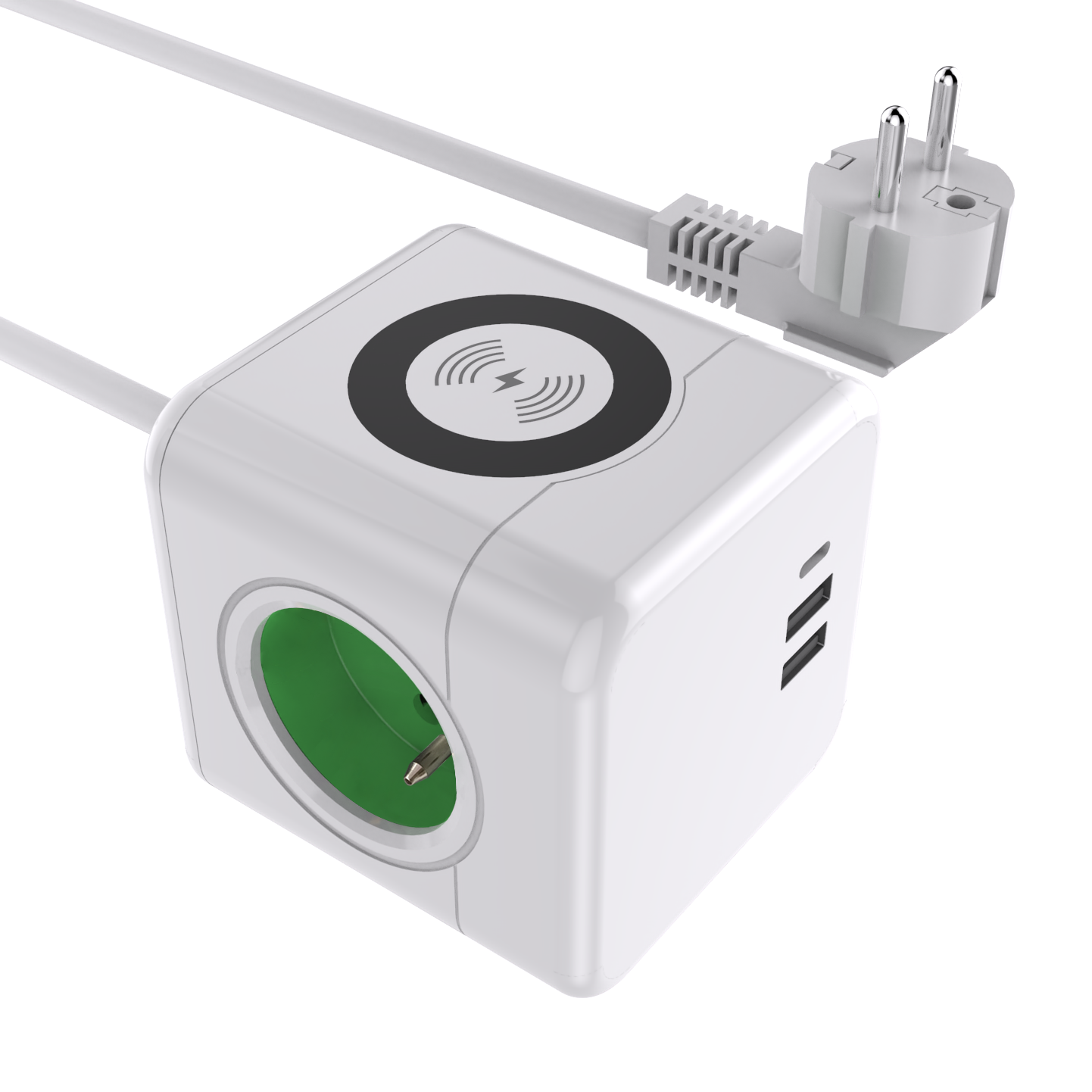
Enterprise Sourcing Architecture: Ningbo Sykra Factory Profile
A granular look at the critical manufacturing steps, metallurgic tolerances, in-house quality verification protocols, and structural protections that differentiate Tier 1 Chinese socket manufacturing from commoditized assembly workshops.
Monolithic Phosphor Bronze Stamping
Unlike lower-tier suppliers that rely on hand-soldered wire jumpers between outlet bays, our automated stamping lines press continuous phosphor bronze (QSn6.5-0.1) conductor strips. This reduces internal electrical joints by 74%, substantially curtails contact resistance, and mitigates localized thermal hotspots under 16A continuous loads.
Flame-Retardant Polymer Blends
All structural housings are injection-molded using virgin Bayer/SABIC polycarbonate engineered to pass the IEC 60695-2-11 Glow-Wire Test at 750°C and 850°C. Materials conform strictly to UL94-V0 flammability ratings, self-extinguishing within 10 seconds with zero dripping particles, ensuring uncompromised consumer safety in dense living environments.
100% End-of-Line Dielectric Proofing
Every single manufactured unit undergoes automated end-of-line electrical testing. We execute high-voltage withstand proofing up to 3,750V AC across live-to-neutral and live-to-ground barriers, earth continuity verification at 25A test currents (<0.05Ω resistance), and automated USB step-voltage protocol verification under thermal load.
Audited Production Infrastructure: Ningbo Sykra Technology Co., Ltd.
Operating from our modern 5,200 square-meter engineering plant located in Ningbo, Zhejiang Province—adjacent to the world-class deepwater Ningbo-Zhoushan port—Ningbo Sykra Technology Co., Ltd. represents the cutting edge of export-focused socket architecture. Formally audited and certified on-site by TÜV Rheinland (most recent verification passed October 13, 2025), our operations maintain end-to-end accountability across high-precision tool tooling, automated plastic injection, terminal induction welding, UV laser marking, and computerized electrostatic packaging.
Our engineering division specializes in solving complex mechanical-electrical layout constraints. By integrating high-power density printed circuit boards (PCBs) alongside heavy-duty 16A Schuko contacts within ultra-compact Rubik's Cube and desktop swivel form factors, we eliminate the persistent trade-off between bulky legacy multi-plugs and modern aesthetic consumer demands. This operational precision has driven our catalog to the #1 Best Seller position in the Power Strips category across major global B2B digital export hubs, serving Tier 1 European retail chains, Korean smart-home aggregators, and top Amazon private-label electronics brands.
Future Sourcing Trends: The 2026–2030 Socket Landscape
How shifting regulatory standards, consumer silicon adoption, and global microgrid dynamics are reshaping what B2B importers must specify when negotiating OEM contracts in China.
1. Migration to Gallium Nitride (GaN III) Topologies
Traditional silicon MOSFET charging circuits built into wall extensions generate excessive parasitic heat within enclosed terminal boxes, capping USB delivery at 20W to 30W. Over the 2026–2028 procurement cycle, Tier 1 buyers are transitioning specifications to GaN III (Gallium Nitride) high-frequency power switches. GaN enables switching frequencies exceeding 150kHz with minimal heat dissipation, allowing Chinese manufacturers to safely package 65W to 140W USB-C Power Delivery directly alongside 250V AC mains contacts without thermal derating or premature electrolytic capacitor failure.
2. Mandated USB-C Common Charger Directives & EPR
With the European Union’s Radio Equipment Directive (Directive 2022/2380) and Korean domestic eco-design mandates fully operational, separate external charging bricks are rapidly becoming obsolete in commercial and hospitality builds. Wall sockets and desktop extenders must now function as the primary DC power delivery terminus. Buyers must increasingly specify USB-PD 3.1 Extended Power Range (EPR) with PPS (Programmable Power Supply) compatibility down to 3.3V, ensuring universal fast-charging across smartphones, tablets, handheld consoles, and ultrabooks simultaneously.
3. Decoupled Modular Tooling & Agility Sourcing
Volatile global shipping tariffs and regional plug standardization splits (e.g., German Schuko Type F vs. French Type E earth pin vs. Korean KC Type F) historically required separate mold investments exceeding $40,000 each. Forward-looking procurement teams are contracting factories that utilize modular slide-core injection molds. This permits swapping the AC outlet faceplate insert while retaining the standardized internal DC power brick cavity, reducing custom tooling amortization costs by up to 60% and dropping private-label launch lead times from 12 weeks to 25 days.
4. Circular Economy & ESG Material Traceability
Supply chain due diligence legislation in Germany (LkSG) and proposed EU corporate sustainability due diligence directives (CSDDD) require complete forensic traceability for electronic components. Modern socket procurement now mandates verified PCR (Post-Consumer Recycled) polycarbonate housing blends with halogen-free flame retardants, RoHS 3 lead-free solder pastes across all SMT lines, and certified zero-single-use-plastic retail packaging printed with soy-based inks.
B2B Audit Checklist: Tier 1 OEM vs. Low-Cost Assembler
A rigorous breakdown of the structural, metallurgic, and electronic benchmarks required to safeguard your brand against product liability claims, customs rejections, and excessive warranty return rates.
| Audit Dimension | Tier 1 Manufacturer (e.g., Sykra Standard) | Commoditized Low-Cost Assembler | Commercial & Legal Implication |
|---|---|---|---|
| Internal Conductor Busbar | High Precision Phosphor Bronze Continuous 0.6mm-0.8mm stamped QSn6.5-0.1 bar. |
Recycled Brass / Wire Jumpers Manual soldering connecting loose brass socket pieces. |
Low-grade brass oxidizes rapidly, causing contact resistance, excessive voltage drops, and fire hazards at 16A loads. |
| Housing Flame Retardancy | UL94-V0 Virgin Polycarbonate Passes 750°C/850°C IEC 60695-2-11 Glow-Wire testing. |
Secondary ABS / Scrap Mix Ignites at <650°C with toxic smoke and flaming drip. |
Non-compliant plastics lead to immediate EU Safety Gate (RAPEX) recall alerts and severe product liability fines. |
| Creepage & Clearance | >6.0mm Reinforced Isolation Optocoupler & transformer slotting meets EN 62368-1. |
<3.5mm Narrow Clearance AC mains traces placed dangerously close to USB output. |
High risk of lethal 230V mains jumping to the smartphone USB-C cable during grid surges or high humidity conditions. |
| Child Protection Shutters | Interlocking Unipolar Resistant Requires dual-pin simultaneous insertion with >40N force. |
Flimsy Single-Spring Shutter Easily bypassed with a single screwdriver or nail. |
Instant failure during GS Mark safety audits, Korean KC unannounced audits, and French NF laboratory evaluations. |
| Electromagnetic (EMC) Filter | Full Common-Mode Choke & X/Y Caps Compliant with EN 55032 Class B & EN 55035. |
Omitted Chokes / Jumper Wire Creates heavy RF interference with home Wi-Fi & radios. |
Results in customs confiscation, radio-frequency non-compliance penalties, and degraded touchscreen operation during charging. |
| Factory Testing Rigor | 100% In-Line Automated Proofing Dielectric withstand, earth ground, load, burn-in rack. |
AQL 2.5 Visual Spot Checking Occasional manual multimeter check by untrained labor. |
Guarantees 2-5% DOA (Dead on Arrival) failure rates in retail customer hands, damaging e-commerce store rankings. |
Engineering the Modern Multi-Socket Platform
How proprietary mechanical engineering resolves geometric spatial crowding, thermal containment, and electrical interference within next-generation wall adapters.
Geometric Anti-Crowding Ergonomics
Standard linear power strips suffer from plug interference: large transformer bricks inevitably block adjacent AC bays. Sykra’s 3D Rubik's Cube architecture and 180-degree swivel mechanisms route AC cables across orthogonal axes. This footprint innovation preserves simultaneous access to 100% of all integrated AC sockets and DC ports while occupying less than one-third the desk surface area of traditional multi-gang boards.
Dynamic Power Distribution Algorithms
Dual USB-C and USB-A charging clusters utilize intelligent microprocessor-controlled buck-boost converters. When a high-draw device (such as an Apple MacBook or Samsung tablet) is plugged into Port 1, the onboard controller seamlessly shifts allocations (e.g., dynamic stepping from 20W to 15W + 5W) without power-cycling or dropping connected Bluetooth accessories, maximizing charging speed while maintaining cool operating envelopes.
EMI Isolation & Noise Clamping
Integrating switching DC switch-mode power supplies (SMPS) within 15mm of high-current AC mains lines generates significant electromagnetic interference. Our circuit topologies incorporate dual-stage passive LC pi-filters, grounded aluminum thermal shielding wraps, and custom pot-core transformers, suppressing conducted emissions well below the stringent limits prescribed by CISPR 32 Class B standards.
B2B Sourcing FAQ: Critical Contract & Technical Queries
Actionable answers addressing certification validity, customs classifications, customized tooling economics, and quality control specifications.
Initiate Your OEM/ODM Production Run
Accelerate your product release schedule with an on-site verified Chinese manufacturer. Request custom CAD blueprints, obtain formal TÜV Rheinland audit records, or lock in preferential volume container pricing for the upcoming shipping quarter.