New 2026 Gen
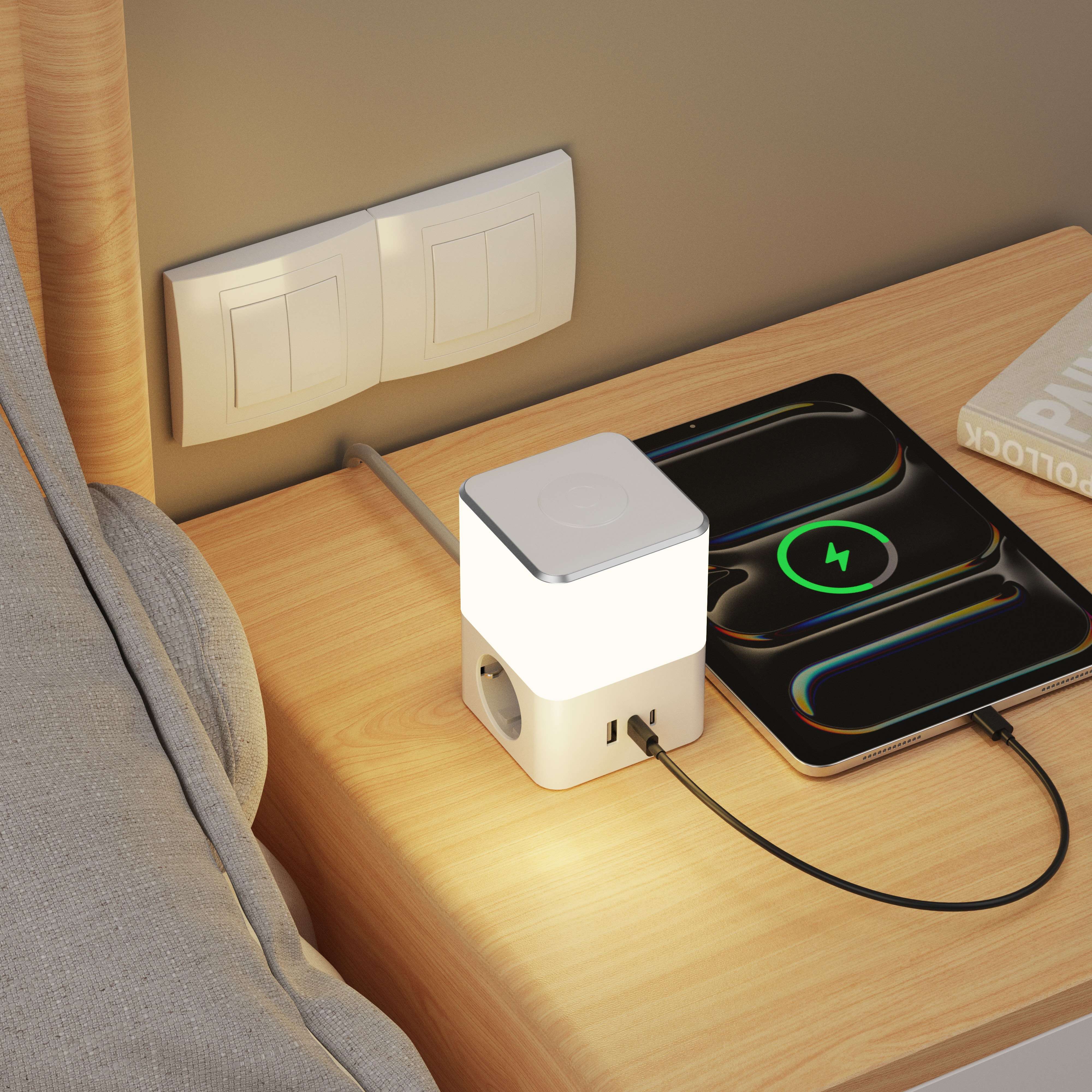
Fully compliant with EU Low Voltage Directives (LVD), Electromagnetic Compatibility (EMC), and RoHS standards. Designed for high-density power delivery, spatial efficiency, and consumer safety.
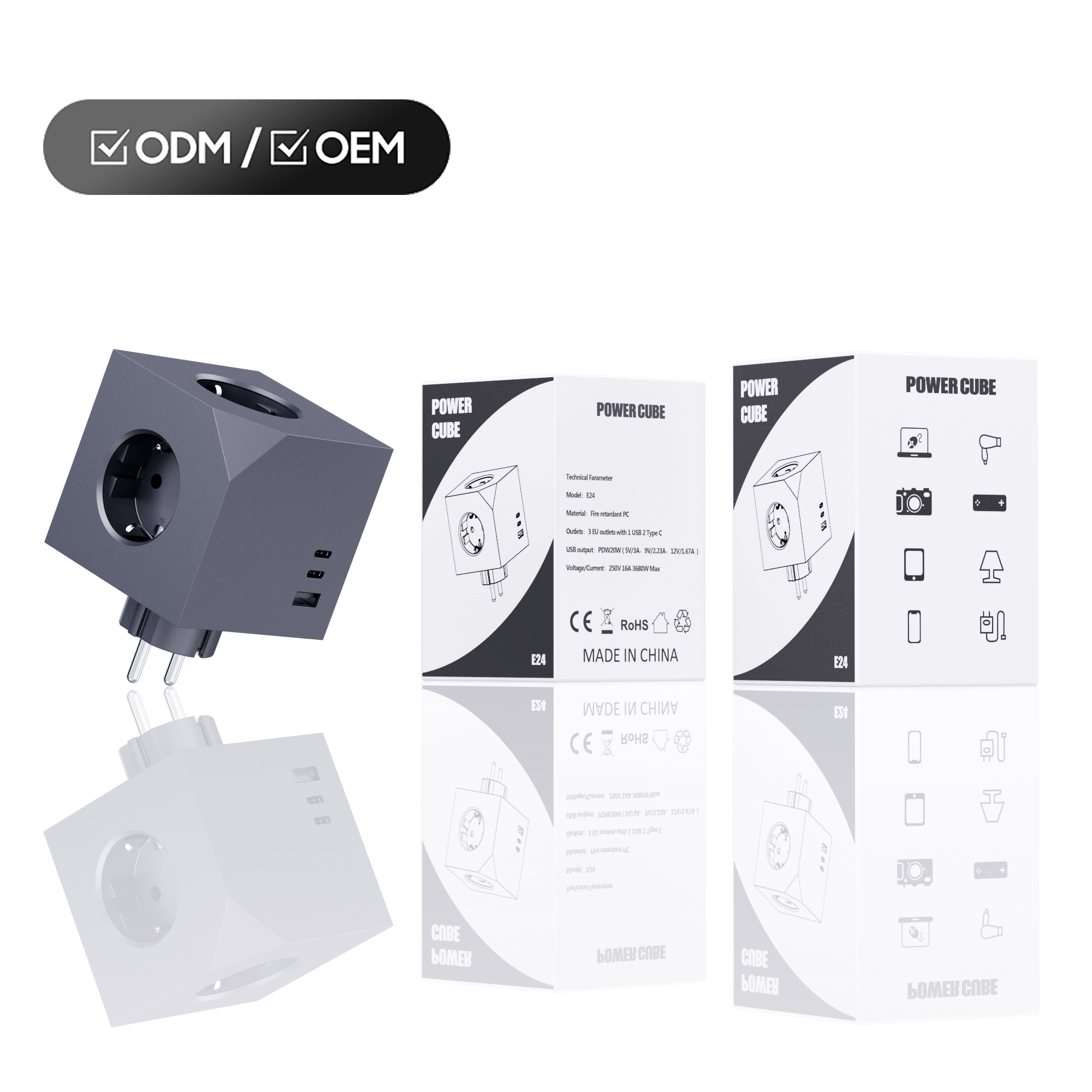
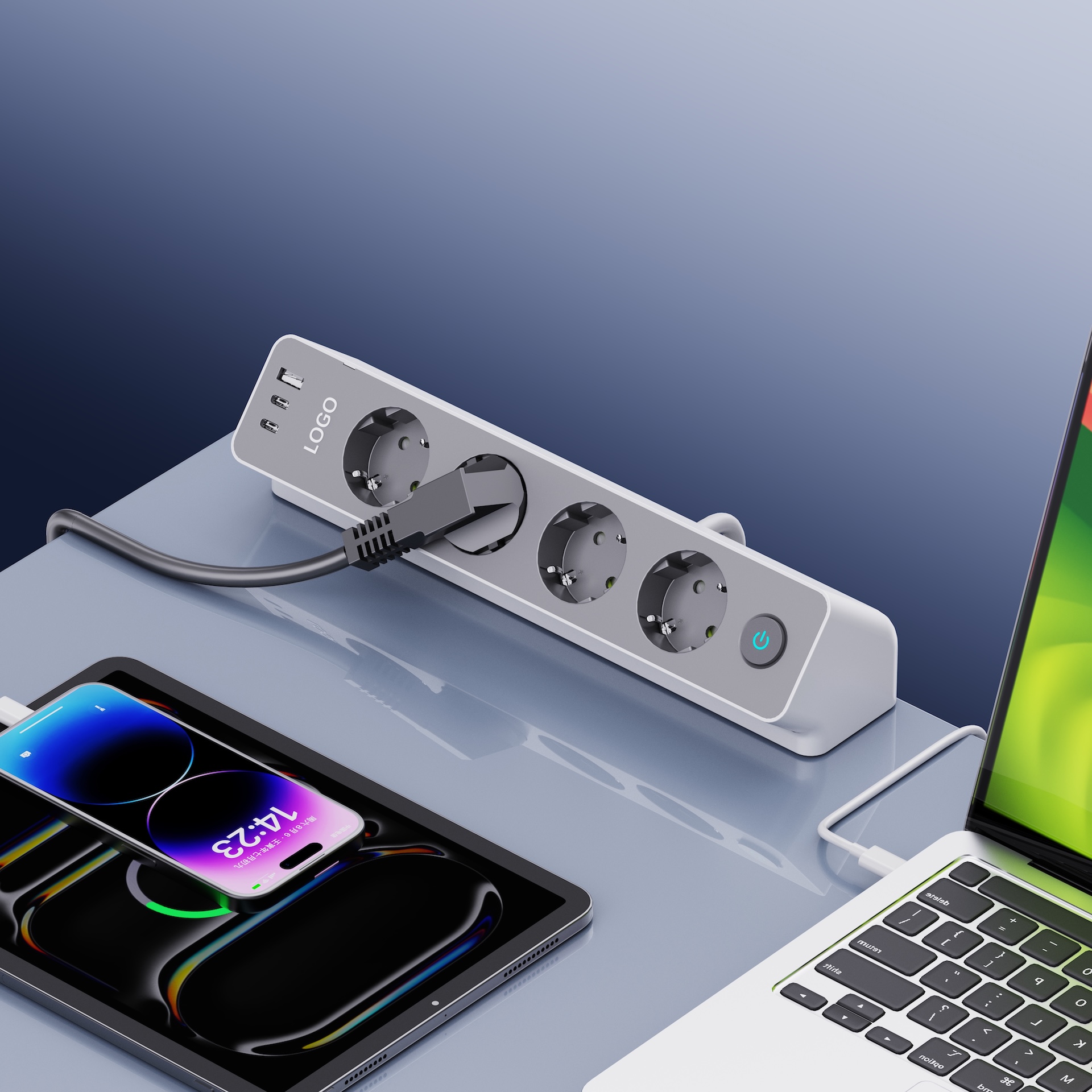
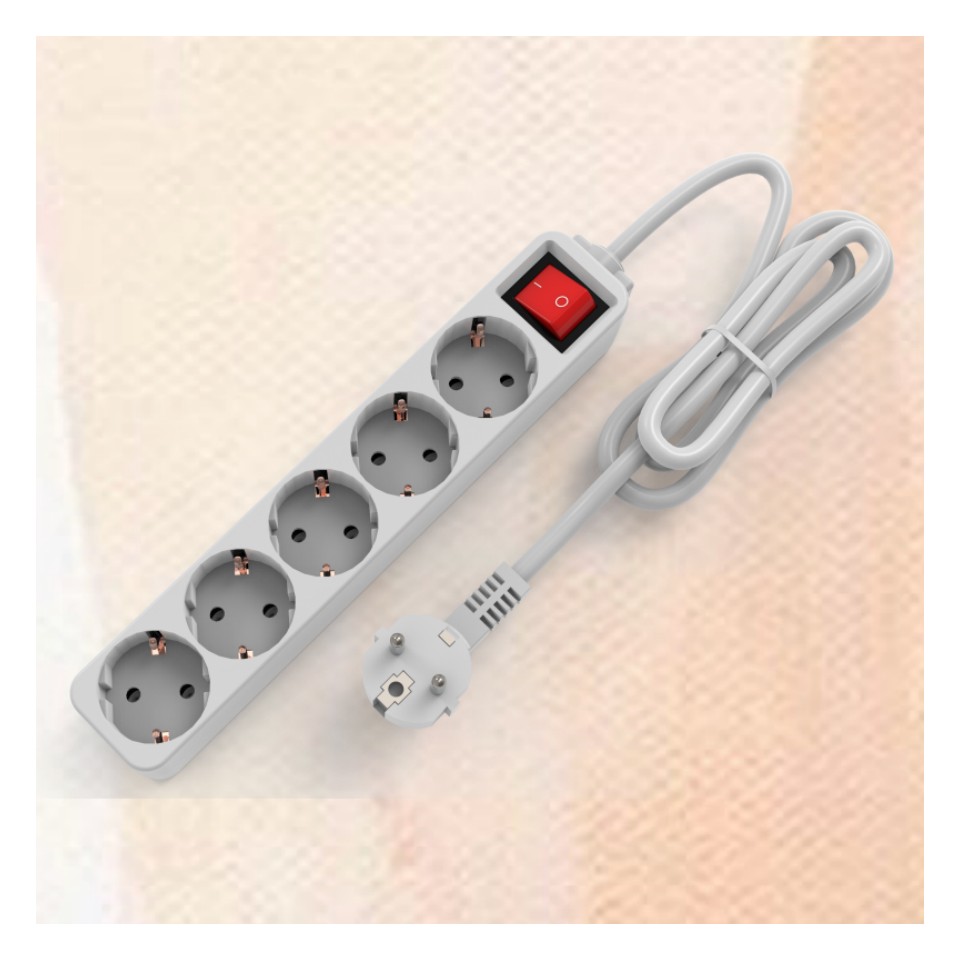
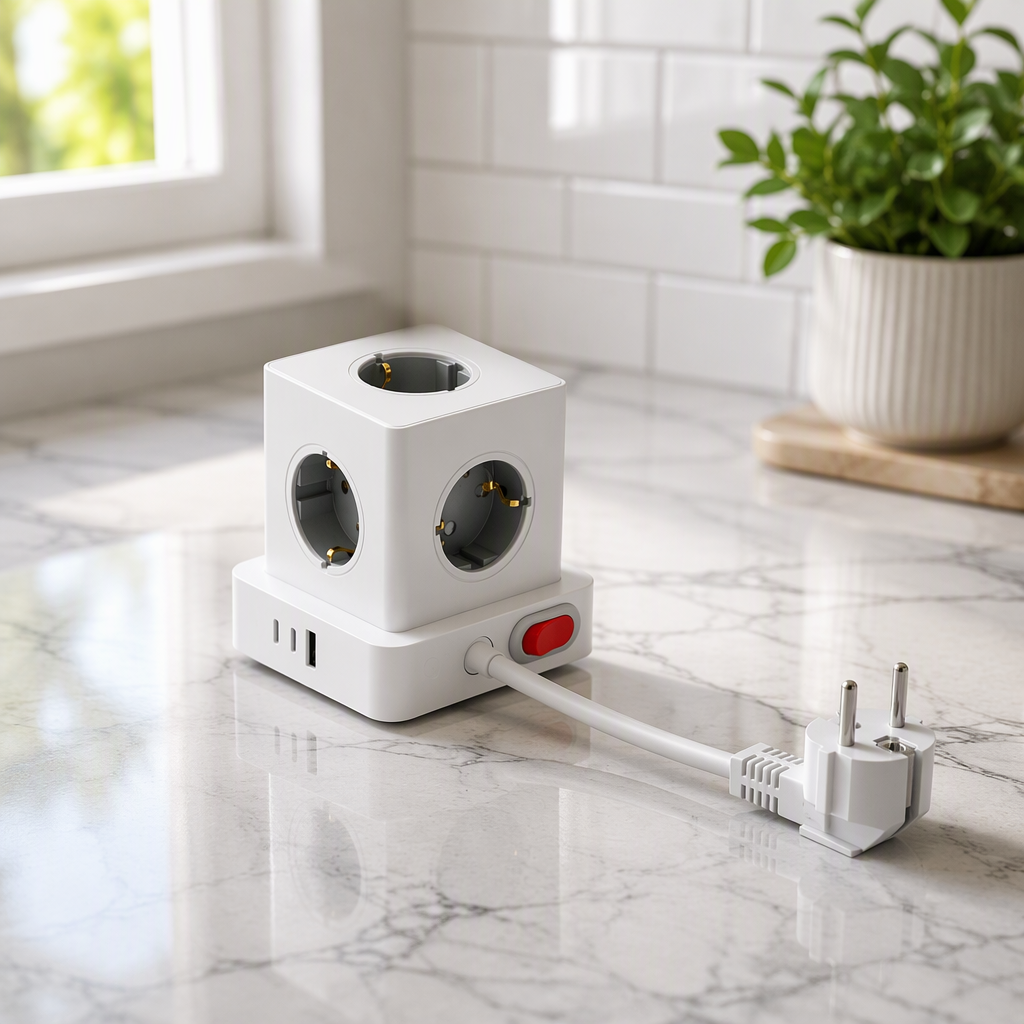
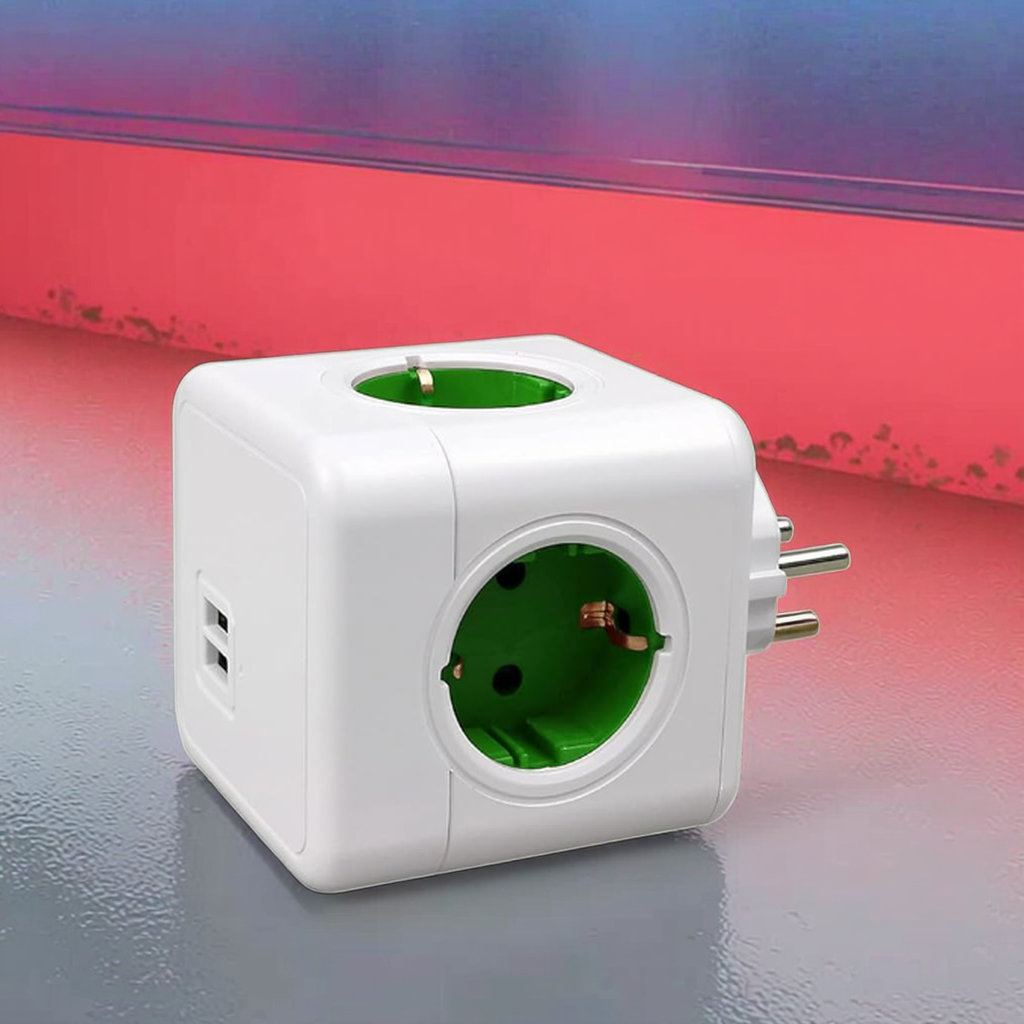
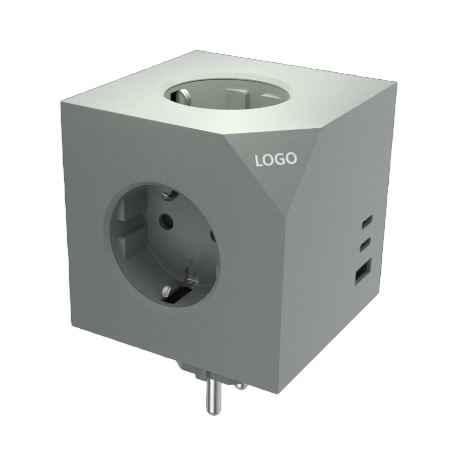
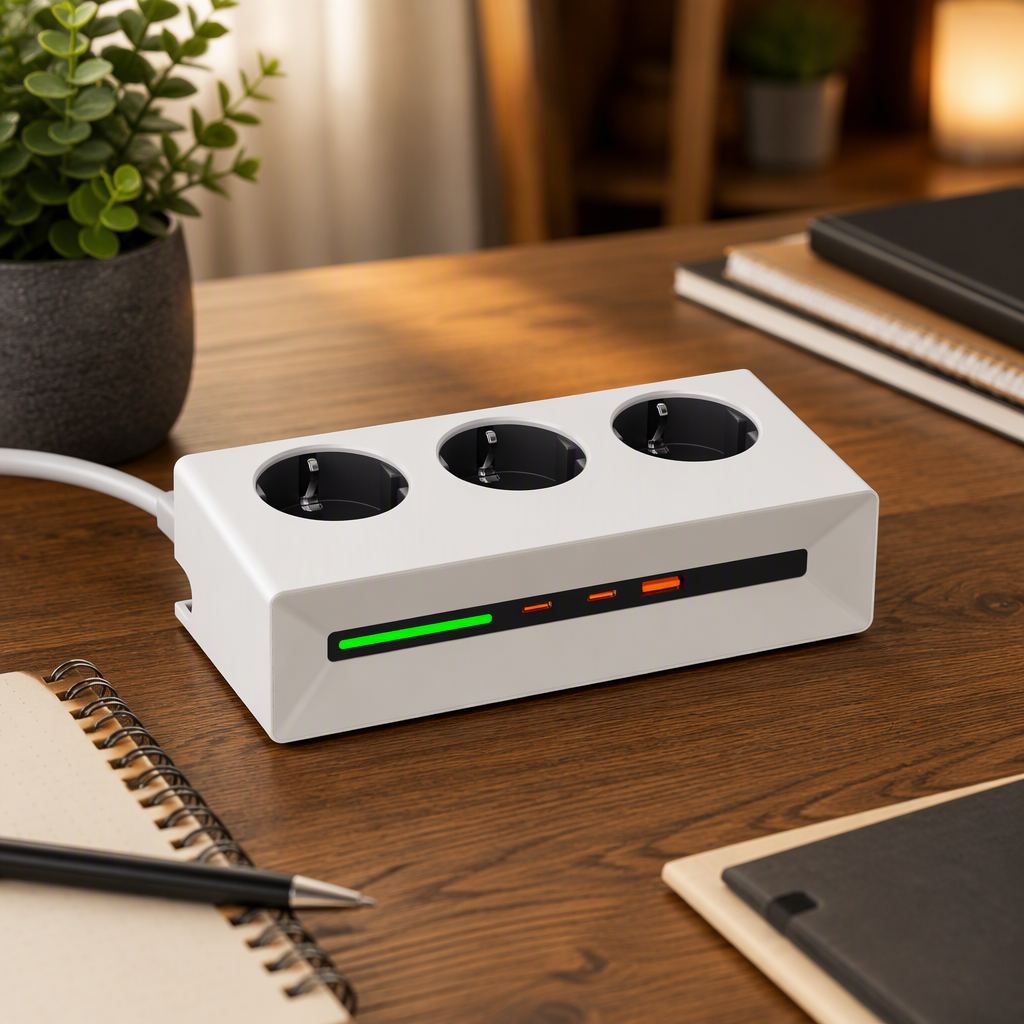
Integrating high-efficiency Direct Current (DC) power delivery modules directly into high-amperage Alternating Current (AC) distribution channels demands advanced thermal mitigation, electromagnetic isolation, and metallurgical superiority.
Traditional silicon-based step-down converters suffer from high thermal emission and substantial footprint constraints within extension strips. Modern OEM designs harness Gallium Nitride (GaN III) switching semiconductors.
Co-locating 250V AC mains lines with sensitive 5V-20V DC controller ICs requires stringent physical air gaps and solid dielectric insulation barriers compliant with IEC/EN 62368-1.
Inferior extension sockets utilize stamped iron or brass strips susceptible to spring fatigue and localized Joule heating. Sykra sockets employ monolithic integrated phosphor bronze busbars (QSn6.5-0.1).
B2B electrical distributors and brand importers must navigate evolving legislative mandates, form-factor transitions, and supply chain compliance to safeguard operating margins.
The transition toward universal Type-C receptacles has extended beyond handheld devices into infrastructure power delivery. European retailers require AC power strips to eliminate USB-A dominance in favor of dual or triple USB-C PD outputs with dynamic power splitting.
Traditional flat extension strips are losing retail market share to modular desk-mount, 3D Rubik's cube, and vertical tower designs that fit hybrid home-office environments and eliminate blocky plug blockage.
Global supply chain compliance demands that tier-1 importers partner exclusively with verified original manufacturing plants rather than third-party trading entities.
Operating a modernized 5,200 m² manufacturing plant in Ningbo, China, Sykra delivers full turnkey socket customization from initial tool design to mass assembly and third-party compliance verification.
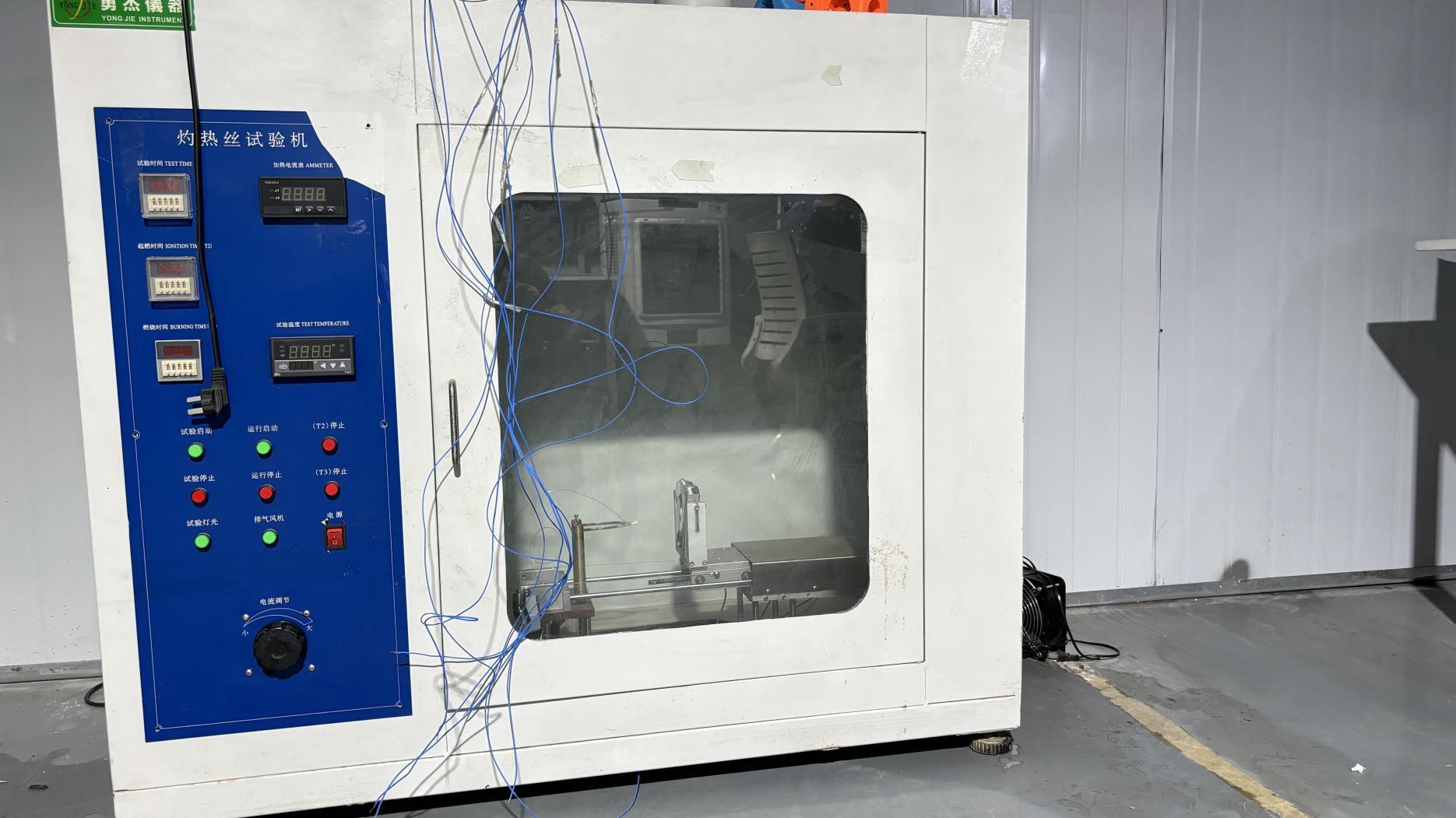
Precision multi-cavity injection molding machines running high-grade virgin polycarbonate (PC) rated to 750°C/850°C glow-wire resistance under UL94-V0 standards.
Automated precision spot welding ensures micro-ohm contact resistance across internal busbar junctions, eliminating cold-solder cold spots and high-load thermal stress.
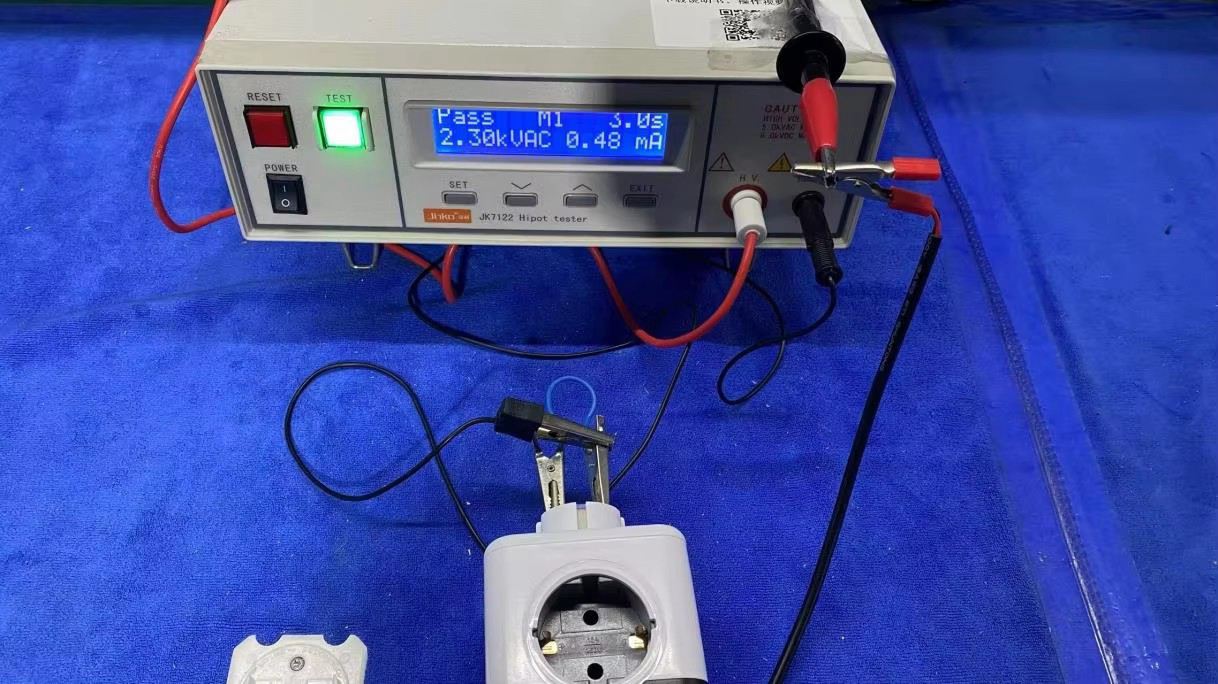
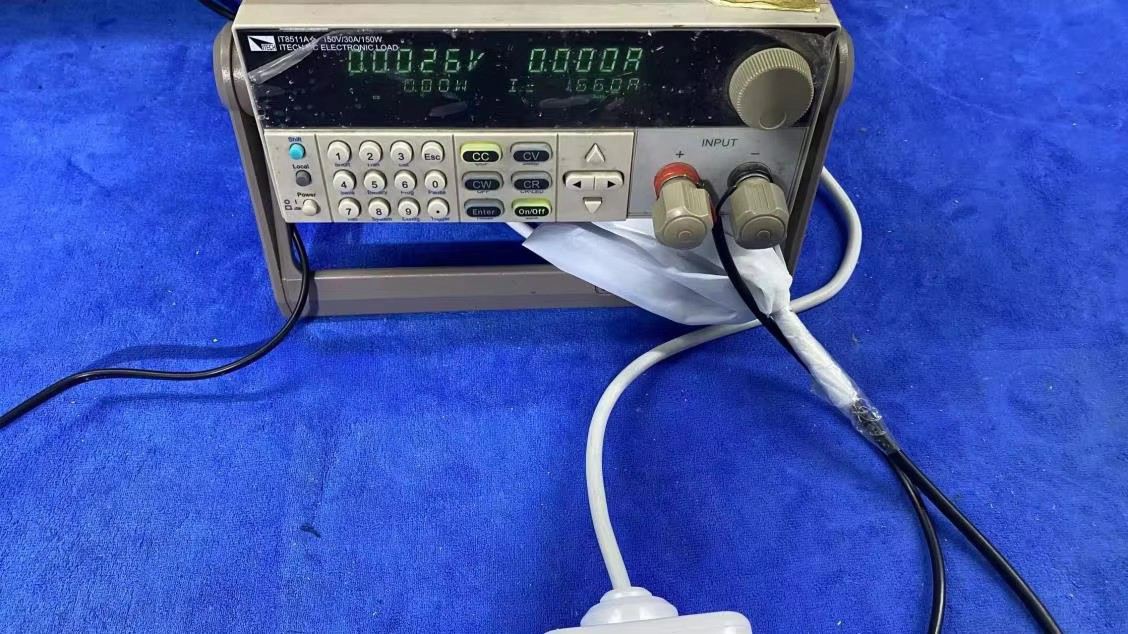
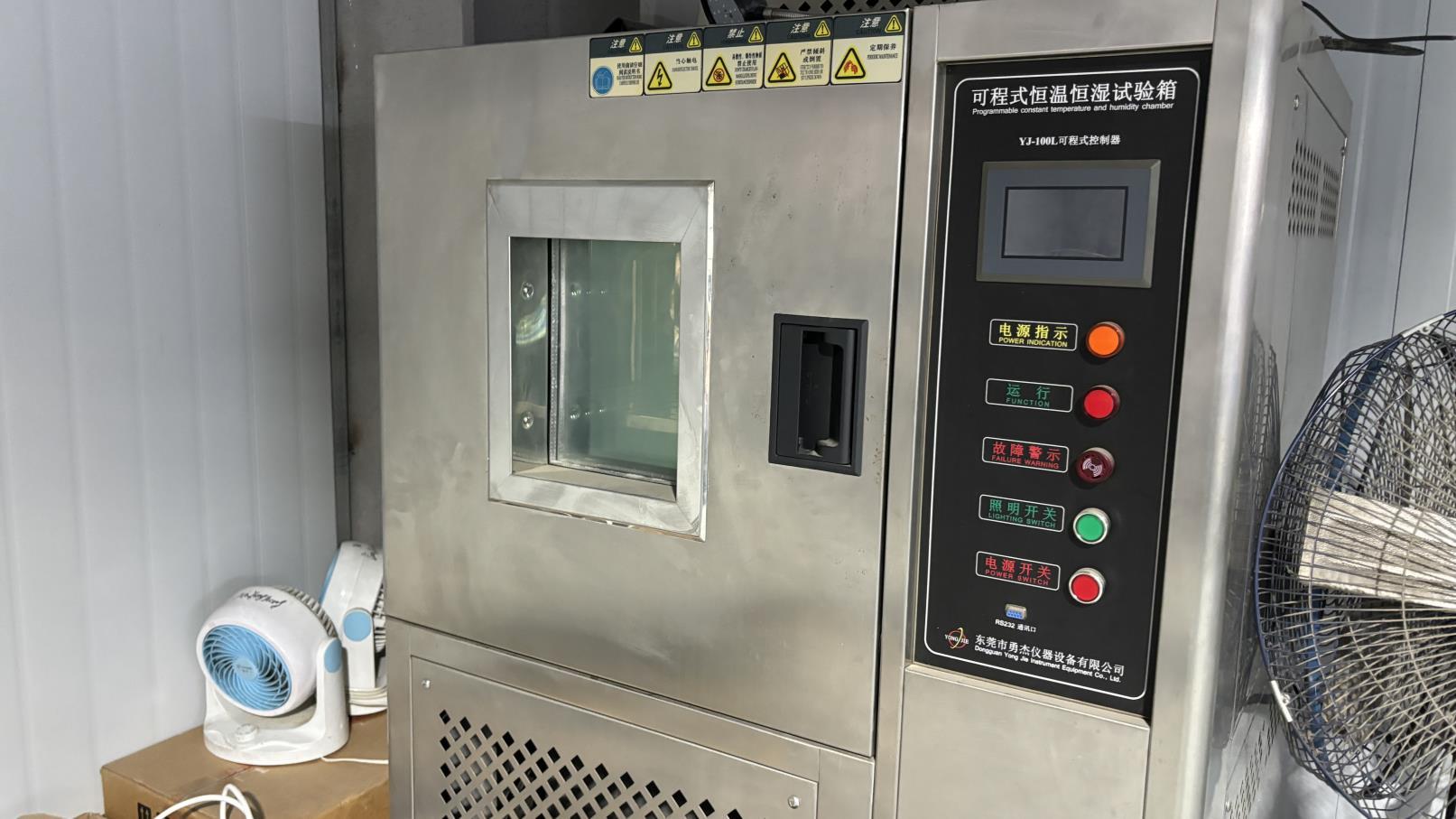
Equipped with high-voltage dielectric withstand testers, contact resistance bridges, mechanical endurance rigs, and constant temperature-humidity environmental chambers.
Support for laser-etched private labels, custom pigment injection, custom braided/PVC H05VV-F cords, and full FSC-certified retail packaging design from 200 units.
Authoritative technical, commercial, and regulatory guidance to streamline international customs clearance and retail delivery.
Standard brass alloys (such as CuZn37) suffer rapid stress relaxation and oxidation under continuous thermal cycling, which causes loose terminal contact and catastrophic thermal runaway. Sykra exclusively stamps our internal conductor tracks from premium phosphor bronze (Cu-Sn-P). Phosphor bronze guarantees exceptional tensile resilience, low electrical resistivity, and fatigue resistance exceeding 10,000 mating cycles without losing clamping tension on standard 4.8mm CEE 7/4 and 7/7 Schuko pins.
Our printed circuit boards (PCBs) are engineered strictly in accordance with EN 62368-1. We enforce physical slot routing and minimum 6.0 mm isolation distances between primary AC line inputs and secondary low-voltage DC rectifiers. Furthermore, our USB transformers incorporate dual-layer reinforced insulation tape, flame-retardant potting silicone, and optocoupler feedback loops to guarantee complete optical and galvanic isolation against dielectric puncture.
Before batch dispatch, our quality assurance division executes 100% routine testing on high-voltage flash dielectric withstand (3,750V AC for 1 second between live/neutral and ground), insulation resistance (>5 MΩ at 500V DC), earth continuity resistance (<0.05 Ω), and automated USB protocol/voltage-drop functional verifications. Detailed batch test reports, certificates of conformity, and full material data sheets are furnished directly for your customs broker.
Standard customization (including silk-screen/laser logo marking, Pantone housing color tuning, and customized packaging sleeves) features an accessible entry tier of 200 to 500 units across our primary cube and extension strip platforms. For complete proprietary ODM developments requiring custom injection tool tooling, our lead time typically encompasses 25–30 days for prototype mold validation followed by a standard production MOQ of 1,000 units.
Sustained high-wattage charging produces concentrated localized heat. Sykra leverages low-Rds(on) Gallium Nitride switching FETs combined with thermally conductive silicone encapsulation that bridges the PCB directly to an internal aluminum heat-spreader. This structure diffuses thermal energy uniformly across the housing interior, keeping the exterior surface temperature comfortably below the 65°C threshold required by EU consumer safety regulations.
Consult with our senior electrical engineers to discuss socket form factors, USB power distribution architectures, tooling lead times, and regional compliance documentation.