Precision-Engineered USB Outlet Series
Factory-direct commercial-grade wall extenders, cubes, and multi-port charging hubs compliant with CE (LVD/EMC), GS, KC, and RoHS standards.
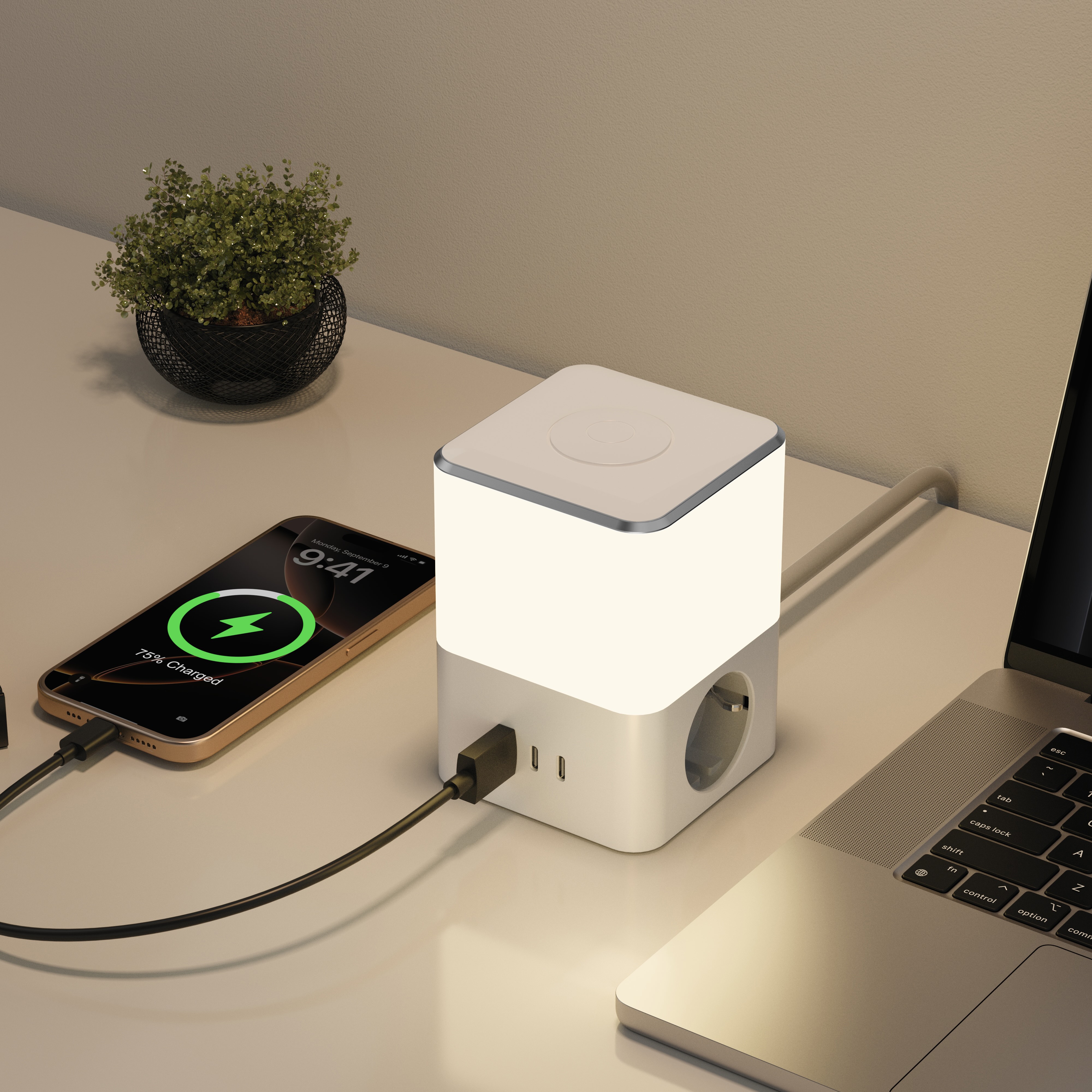
EU Standard Night Light Socket Three Colors Touch Switch 17W with USB and 2 Type-C
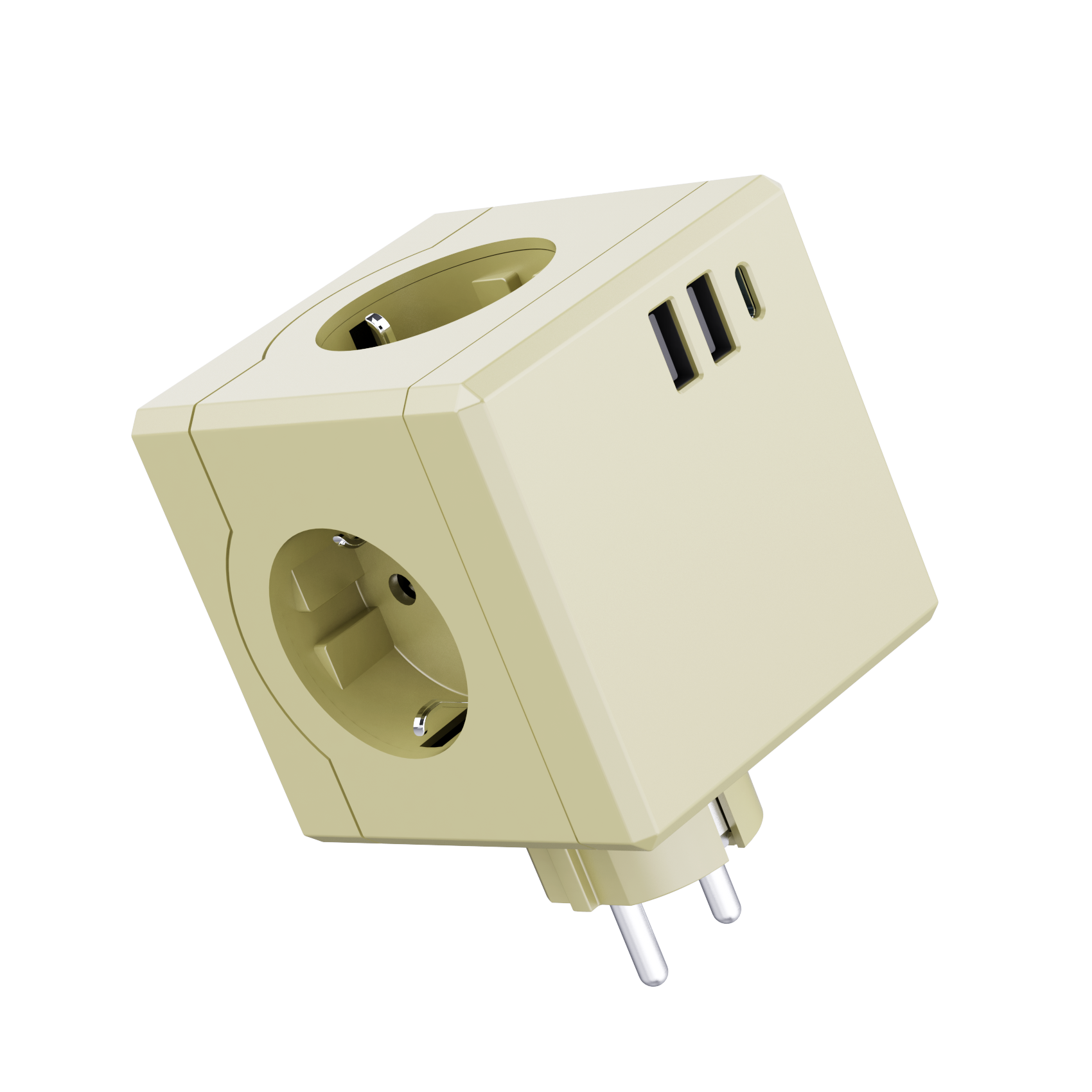
EU Cube Adapter 250V/16A 6-in-1 3 AC Outlets Power Socket Strip with 2 USB-A & 1 Type-C
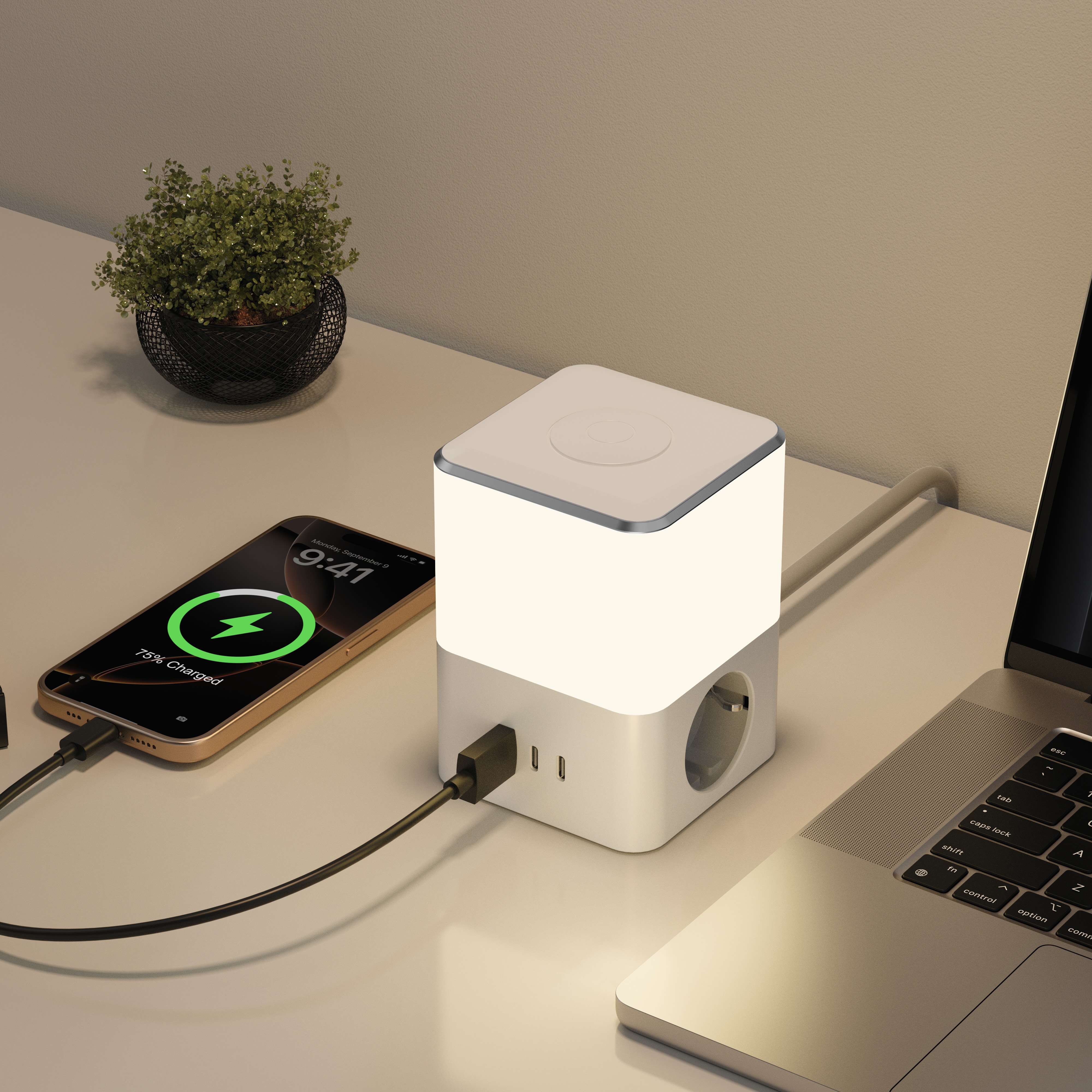
2026 Creative Nightlight Desk Lamp Socket 2 Outlets Power Strip European EU/Germany Touch
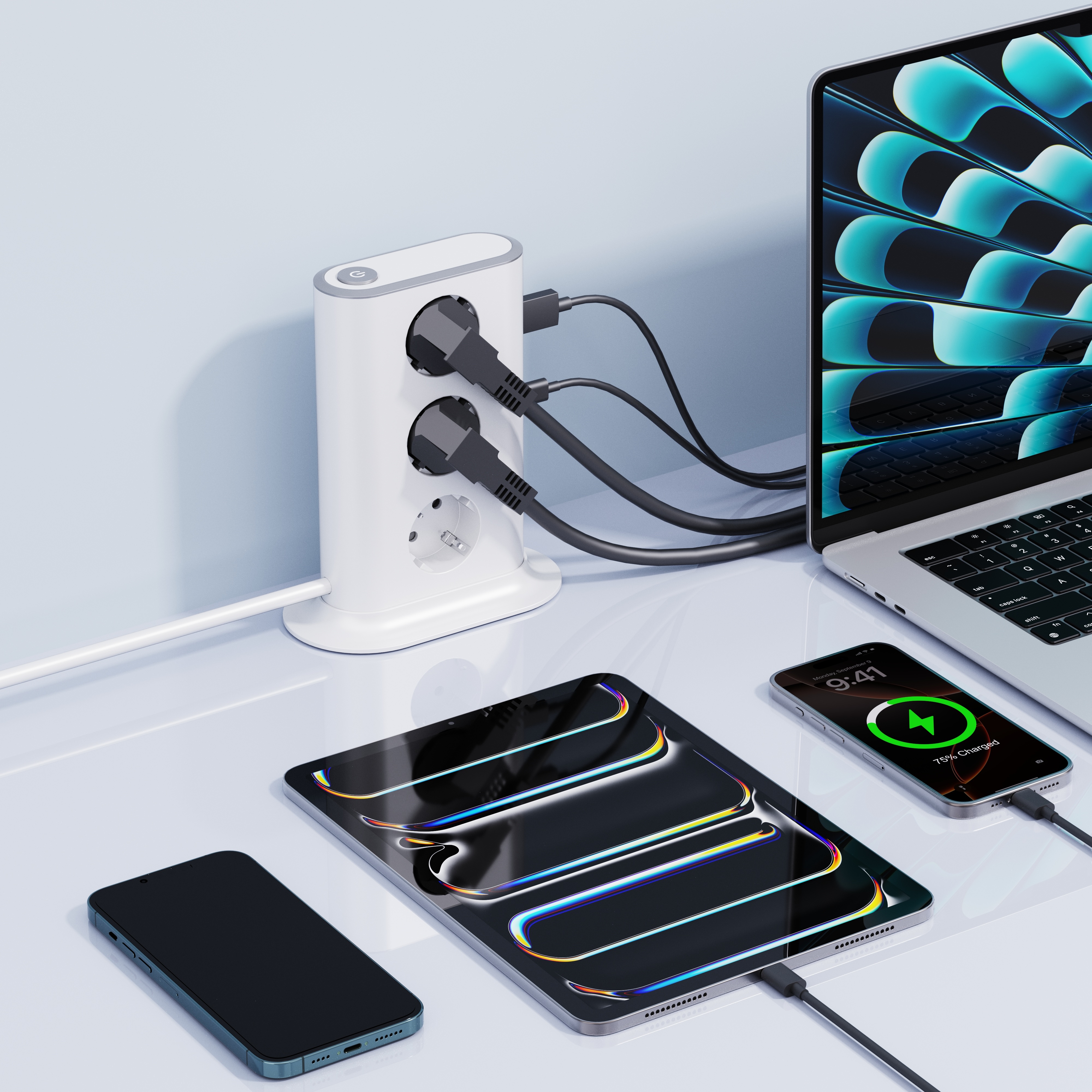
2026 EU 3 Outlets Power Strip USB and 2 Type-C PD25W Socket Book Page Compact Design
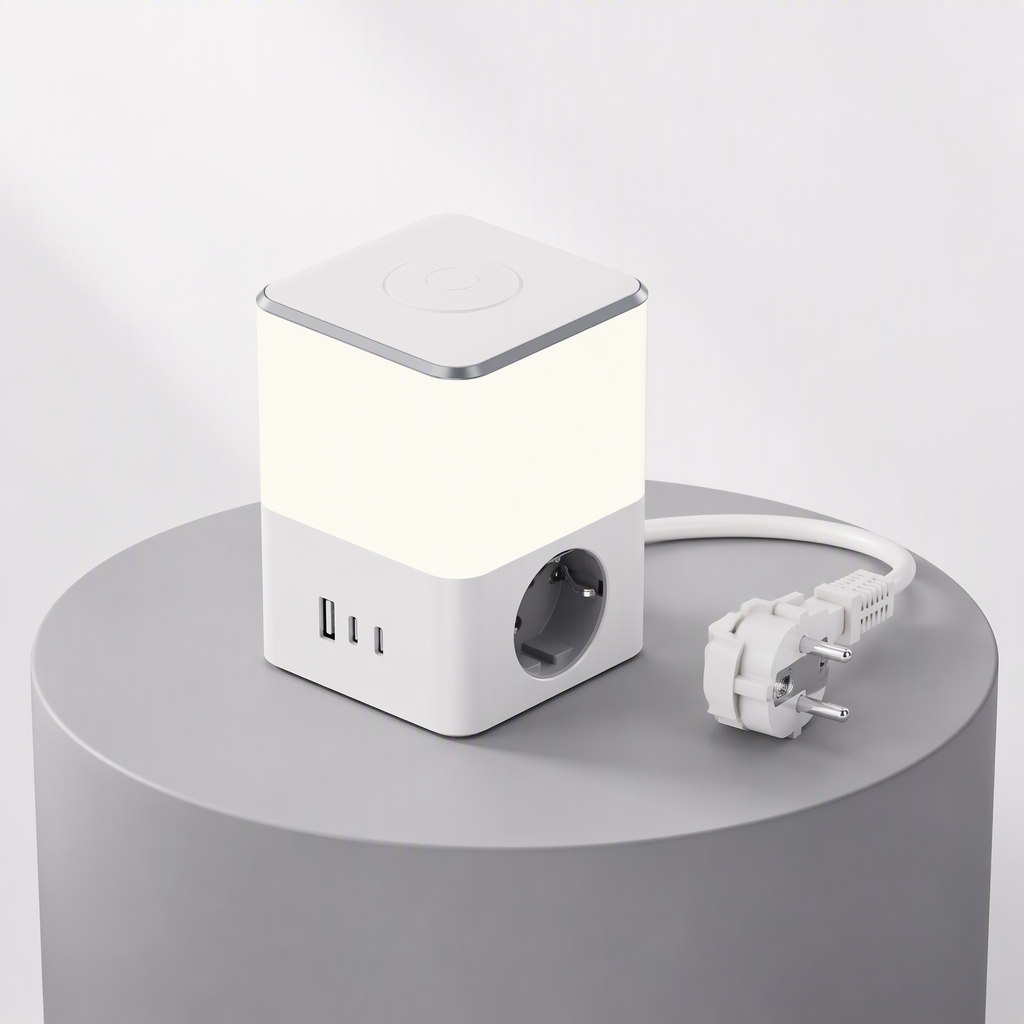
EU Standard Night Light Socket with Three Colors Touch Switch 17W USB & 2 Type-C Ports
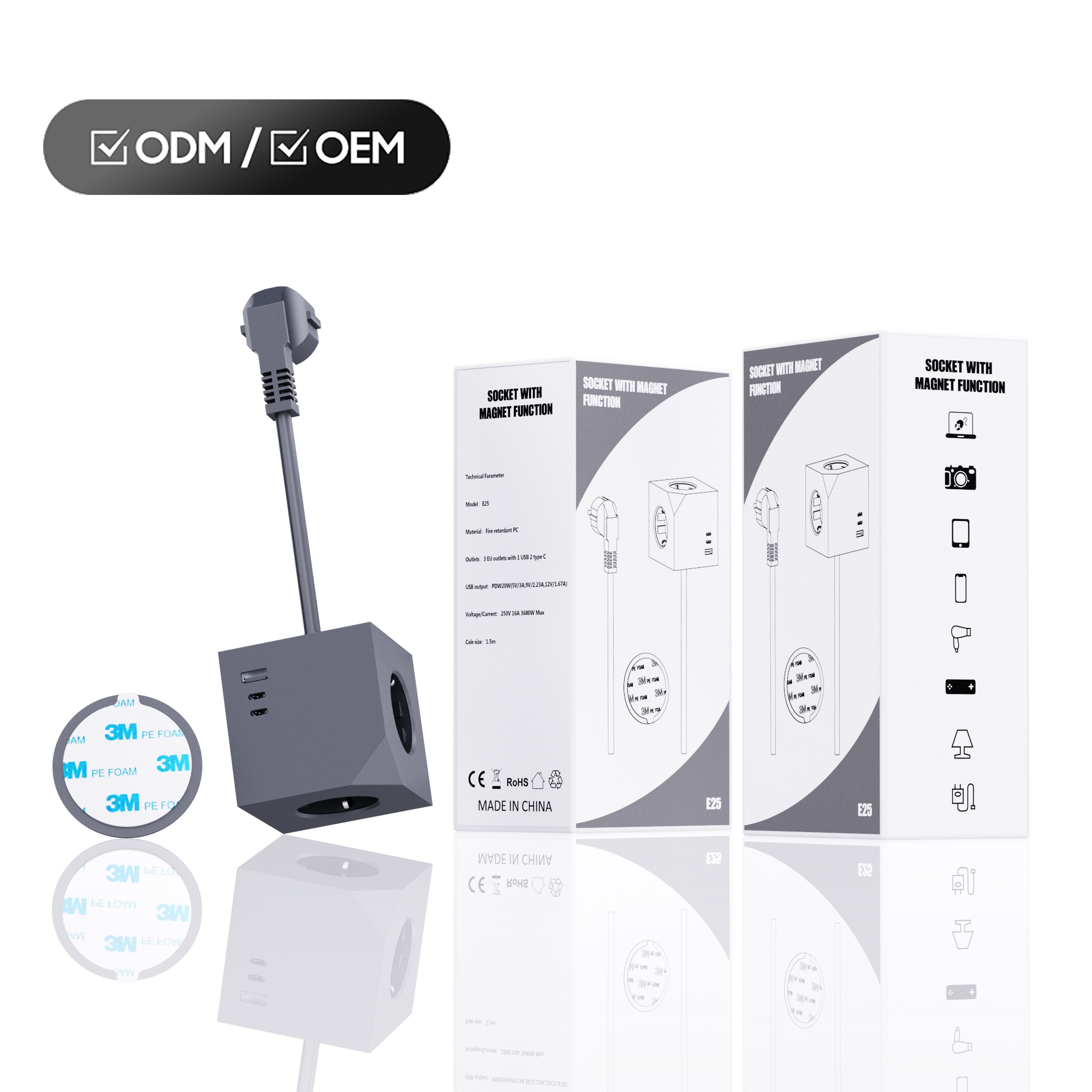
PD20W Fast Charging Magnetic EU Cube Socket Extension Cable with USB-C Power Strip
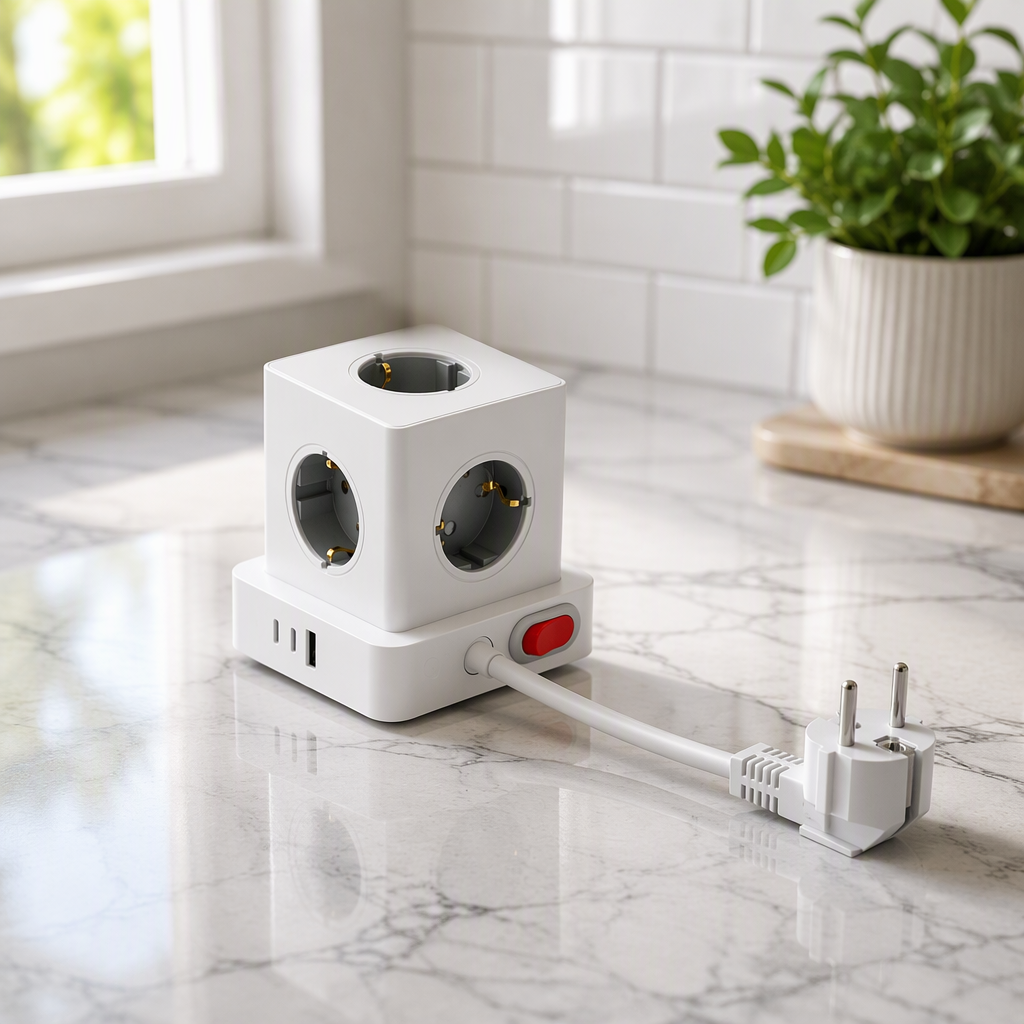
KC/CE New Style 5-Outlet Socket 3 USB and 6 Type-C with PD65W Portable Tabletop Station
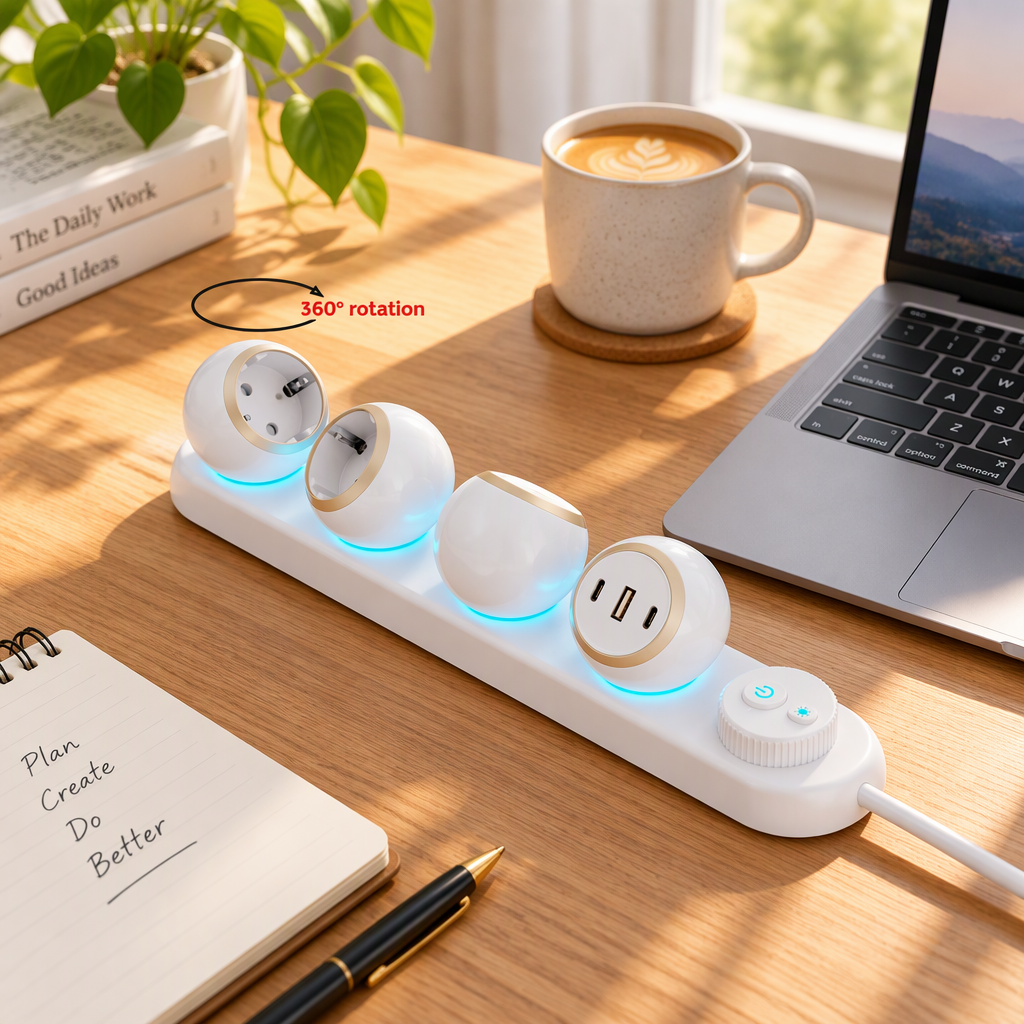
KC EU 360 Degree Rotation EU Standard Power Socket Strip with Lights 3 AC Outlets
Engineering Architecture & Sourcing Analysis: USB Outlet Manufacturing in China
A comprehensive technical report for B2B procurement directors, electrical category managers, and private-label distributors on navigating switching topologies, thermal dynamics, and international standard certification.
The global low-voltage electrical apparatus market is undergoing a structural paradigm shift. Sockets and power distribution units are no longer merely passive mechanical conduits for alternating current (AC). Driven by the rapid proliferation of high-draw mobile computing, universal USB Type-C mandates under EU Directive 2022/2380, and the convergence of smart building protocols, modern power strips and wall outlets have transitioned into active, complex power electronics sub-assemblies. Sourcing these components from China wholesale suppliers demands rigorous engineering due diligence that extends far beyond bill-of-materials (BOM) cost considerations.
1. Internal Engineering: Anatomy of an Export-Grade USB Power Socket
A failure in a wholesale electrical outlet carries severe legal liability, customs impound risks, and irreversible brand degradation. High-reliability manufacturing processes separate tier-one Ningbo exporters from budget domestic assemblers through three critical architectural disciplines:
Integrated Copper Busbars
Rather than using hand-soldered point-to-point wires that risk dry joints and short circuits during transit vibration, tier-one units use integrated phosphor bronze (QSn6.5-0.1) stampings. Continuous unibody busbars maintain uniform elastic contact resistance after more than 10,000 mating cycles under 16A continuous resistive load.
Step-Down SMPS Isolation
Integrated USB charging modules operate on high-frequency flyback or quasi-resonant (QR) switching topologies. Exporters must enforce galvanic isolation between the 230V primary and 5V–20V secondary stages, ensuring physical creepage and clearance distances exceed 6.0 mm (reinforcing insulation) to withstand 3,750V AC dielectric breakdown tests.
Fire-Retardant Polymers
Enclosures must utilize virgin engineering polymers, specifically Polycarbonate (PC) or Acrylonitrile Butadiene Styrene blended with PC (PC-ABS). These housings must satisfy UL94 V-0 flammability classifications and pass IEC 60695-2-11 Glow Wire Flammability Index (GWFI) testing at 850°C without sustaining flame ignition.
2. Future Procurement Trends: Technical Innovations Reshaping 2026–2030 Orders
Strategic purchasing teams are shifting focus away from commodity multi-plugs toward high-power integrated GaN architecture, intelligent load allocation, and circular design standards. Professional buyers are currently aligning product roadmaps around four key technological transitions:
GaN III Integration
Gallium Nitride semiconductors replace legacy silicon MOSFETs, running switching frequencies above 200kHz. This shrinks internal transformers by up to 50%, enabling high-wattage (65W–100W PD) charging ports directly inside compact desk cubes without exceeding European thermal limits (EN 60335 surface temp thresholds).
Dynamic Power Balancing
Multi-port USB modules (e.g., 3x USB-A + 6x Type-C) employ dedicated MCU controllers that negotiate dynamic USB-PD 3.0 Programmable Power Supply (PPS) profiles. Real-time reallocation prevents sudden peripheral disconnects when a secondary device initiates a fast-charge handshake.
Integrated Bi-Directional Safety
Emerging German and Nordic commercial standards require multi-stage metal oxide varistor (MOV) surge arresters paired with thermal cutoffs (TCO). In the event of catastrophic grid spikes, the MOV disconnects cleanly from the AC rail without explosive casing rupture or thermal smoke emission.
Eco-Design & Standby Efficiency
With Tier 2 of the EU ErP Directive enforcing strict standby consumption limitations (<0.1W no-load loss), next-generation controllers integrate burst-mode operation. When connected devices reach 100% state of charge (SoC), parasitic draw is virtually eliminated at the mains interface.
3. Global Standards Matrix: Navigating Market Compliance
Wholesale import success hinges on full regional compliance alignment. Sourcing generic hardware without authentic, accredited test reports from notified bodies (TÜV Rheinland, DEKRA, SGS, VDE) exposes importers to immediate border rejections and customs seizures. Review our compliance reference matrix:
| Target Region | Mechanical / Plug Standard | Electrical Safety Standard | EMC Directive & Immunity | Environmental / Material Directives |
|---|---|---|---|---|
| European Union (DACH, Nordics, Iberia) | DIN VDE 0620-1, DIN VDE 0620-2-1 (CEE 7/3, CEE 7/4 German Schuko) | EN IEC 62368-1:2020+A11 (Audio/Video, IT, Communication Equipment) | EN 55032 Class B (Conducted & Radiated Emissions), EN 55035 | RoHS 2011/65/EU as amended by (EU) 2015/863 (10 substances), REACH Annex XVII, POPs |
| France, Belgium, Poland, Czechia | NF C 61-314 (Type-E Earth Pin configuration) | NF EN 62368-1, IEC 60884-1 (General Requirements for Plugs/Sockets) | EN 61000-3-2 (Harmonic Currents), EN 61000-3-3 (Voltage Fluctuations) | WEEE Directive 2012/19/EU, Triman logo marking scheme, French Packaging EPR |
| South Korea | KSC 8305 (Plugs and Receptacle Outlets for Domestic Use) | KC 60884-1, K62368-1 (Korea Safety Certification through KTL or KTR) | KS C 9610-4-2 (ESD), KS C 9610-4-4 (EFT/Burst), KS C 9610-4-5 (Surge) | Korea RoHS (Act on Resource Circulation of Electrical & Electronic Equipment) |
| Middle East (GCC / SASO / G-Mark) | SASO 2203 / BS 1363-2 (Fused UK Type G where applicable or Europlug variant) | IEC 62368-1, SASO IEC 60884-1, GSO IEC 60884-1 | GSO CISPR 32, GSO CISPR 35 (Gulf Technical Regulation for Low Voltage) | SASO RoHS, Saber electronic platform conformity registration |
4. Technical Supplier Audit Checklist for B2B Sourcing Managers
Before executing purchase agreements or wiring capital deposits to Chinese exporters, technical auditors must cross-verify the following factory capabilities across physical testing, tool maintenance, and incoming material inspection:
Dielectric Withstand
Automated inline Hi-Pot test benches applying 1500V–3000V AC for 60s without insulation leakage trip (<5mA trip threshold).
Hot-Wire Glow Test
Certified lab test chambers validating raw polycarbonate flammability self-extinguishment within 30 seconds at 750°C and 850°C.
Mechanical Shutter Life
Pneumatic cycling rigs verifying child-protection shutter durability through 10,000 insertion/extraction strokes without spring collapse.
Full Load Temperature
Thermal chamber imaging ensuring USB step-down converters maintain delta-T < 45K above ambient under sustained 100% rated output.
Spectral Solder Validation
XRF spectrometry screening of all incoming alloy terminals and solder paste lots to ensure zero RoHS non-compliant heavy metal ingress.
Why Tier-1 Importers Partner with Ningbo Sykra Technology
Combining 8+ years of dedicated electrical apparatus engineering with rigorous internal laboratory validation to eliminate supply chain volatility.
TÜV Rheinland On-Site Verified
Our manufacturing complex at No.3 Gongji Road, Ningbo, covers 5,200 m² of specialized production space, fully verified on-site by TÜV Rheinland (passed October 13, 2025). We operate with 57 verified technical staff and automated assembly units.
Comprehensive In-House Testing Lab
Rather than relying on third-party sample testing, Sykra maintains internal test facilities equipped with high-voltage withstand stations, glow-wire thermal chambers, automated mechanical load testing rigs, and constant temperature/humidity environmental chambers.
End-to-End Vertical Manufacturing
We retain full control over critical production steps in-house: high-precision plastic injection molding for socket shells, unibody conductor stamping, laser marking of ratings and compliance identifiers, terminal welding, and final end-of-line electrical testing.
Agile OEM/ODM Minimum Order Volumes
While industry standard minimums frequently require 3,000 to 5,000 units, Sykra accommodates private label brand launches with standard models starting from 200 pieces, enabling agile stock testing for fast-turnaround e-commerce and retail channels.
Verified Commercial Market History
Recognized as a leading supplier in the Power Strip category on Alibaba.com with a 4.7/5 buyer satisfaction index, Sykra serves brand owners, retail chains, and electrical distributors across Germany, France, South Korea, Poland, and the Middle East.
Multi-Standard Plug Tooling
Equipped with mature tooling libraries for German Schuko (CEE 7/3, CEE 7/4), French Type-E (NF C 61-314), Korean KC standards, and global multi-adapters, allowing rapid cross-market brand deployment without secondary tooling investments.
Frequently Asked Questions on Wholesale USB Sockets
Direct answers to engineering, certification, logistical, and custom tooling questions commonly raised by global purchasing teams.
What is the standard lead time and MOQ for custom-branded orders?
Our standard production MOQ is 200 units for catalog cube sockets and desk strips with custom silk-screened logos, customized packaging sleeves, and standard wire lengths. For bespoke tooling (full ODM), initial prototypes are delivered within 25 days, with tool hardening and mass production concluding in 40–45 days. Re-order cycles for standard SKUs ship in 20–25 days from our Ningbo factory.
How does your factory prevent thermal degradation in fast-charging USB ports?
High-wattage modules (such as our PD 25W, PD 65W, and 67W series) use GaN (Gallium Nitride) switching elements that run at over 93% conversion efficiency. We pot internal SMPS assemblies in high-thermal-conductivity flame-retardant silicone elastomer. This transfers heat away from electrolytic capacitors to the outer shell, keeping internal capacitor temperatures under 85°C and prolonging operational life beyond 30,000 hours.
Can you provide technical documentation and Declarations of Conformity?
Yes. Every model supplied is backed by complete technical construction files (TCF), including accredited test reports for CE (Low Voltage Directive 2014/35/EU and EMC Directive 2014/30/EU), GS certifications under the German Product Safety Act (ProdSG), RoHS 2.0 (2011/65/EU and 2015/863), and Korean KC certificates. Verified buyers receive full test reports and certificates upon confirmation of order specs.
What is the maximum rated electrical capacity for your EU standard sockets?
All our European standard AC channels (Schuko and French Type-E) are engineered for 16A continuous current at 250V~ nominal AC, delivering a maximum resistive power rating of 3,680W to 4,000W. Heavy-duty power cords utilize pure copper conductors rated H05VV-F 3G 1.5mm² as standard, preventing line drops and thermal risks under full home or office appliance loads.
How do you manage quality control during inline assembly?
We maintain an eight-stage QC protocol: 1) Incoming inspection of raw copper, plastics, and PCBAs; 2) First-piece automated inspection after tooling adjustments; 3) Ultrasonic terminal welding validation; 4) 100% inline electrical Hi-Pot high-voltage testing; 5) Multi-port automated USB load/voltage ripple verification; 6) Mechanical shutter and housing fit audit; 7) Pre-shipment batch inspection (AQL 0.65 Major / 1.0 Minor); 8) Container loading audits.
What options exist for shipping terms, ports, and payment safety?
Our facility is located in Ningbo, Zhejiang Province, less than 45 kilometers from Ningbo-Zhoushan Port—one of the largest deep-water container terminals in the world. We regularly support FOB Ningbo/Shanghai, CIF, DDP, and EXW terms. Payments are supported through standard B2B wire transfers (T/T), Letters of Credit (L/C at sight), and Trade Assurance-secured transaction mechanisms.
Request Factory Quotation & Sample Kits
Connect directly with our engineering sales desk in Ningbo. Receive full product specifications, accredited test reports, and customized OEM pricing within 24 business hours.