TÜV Rheinland Audited · CE & GS Compliance Authority
CE Certified Power Strip with Switch Factories & Factory Hub
A Technical B2B Procurement White Paper & Direct OEM/ODM Engineering Guide for European (Schuko CEE 7/3, French Type E) and Global Commercial Power Distribution Assemblies.
Direct OEM/ODM Catalog
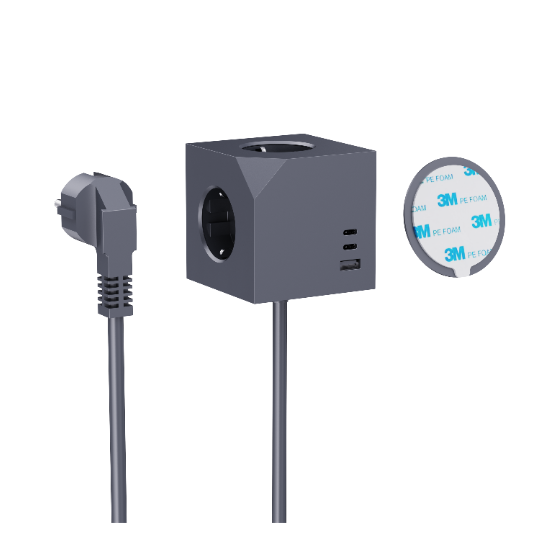
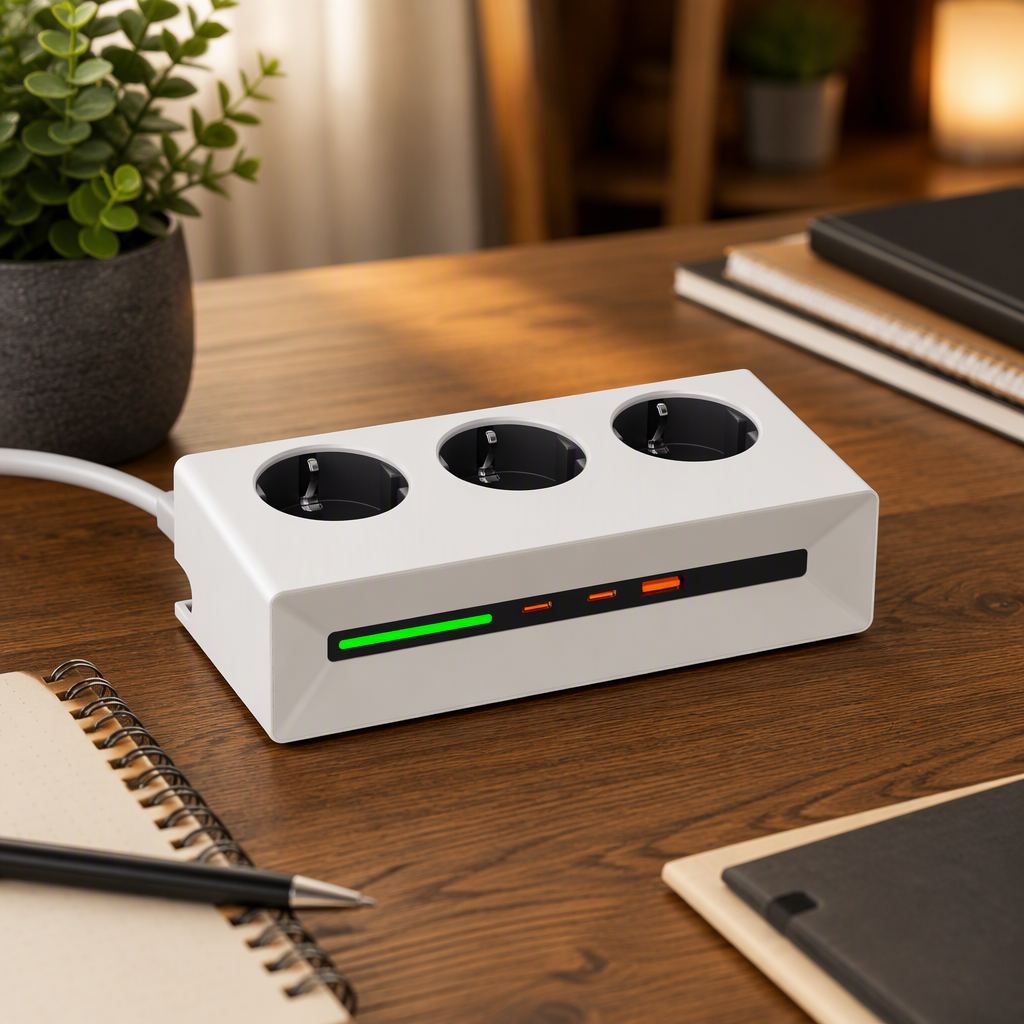
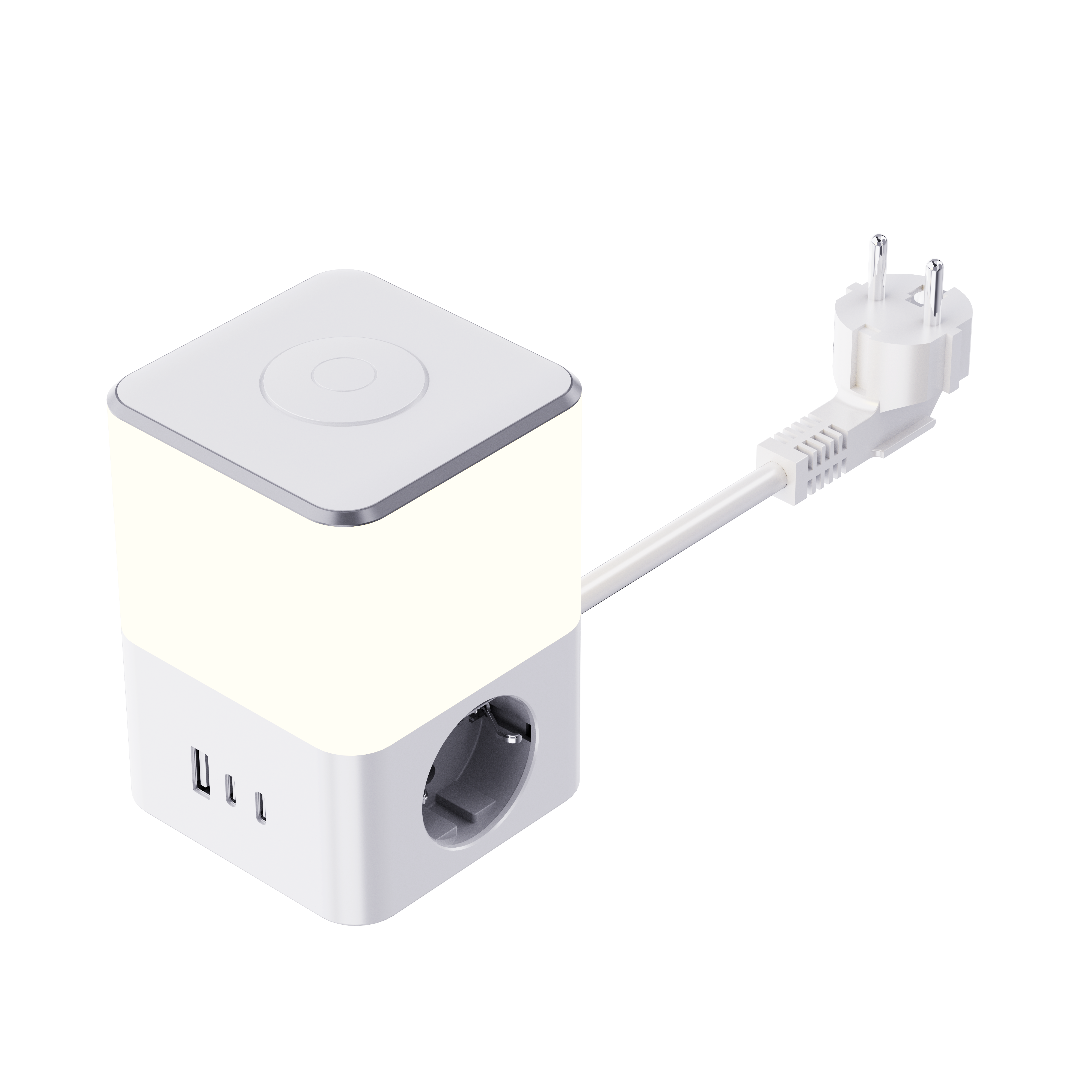
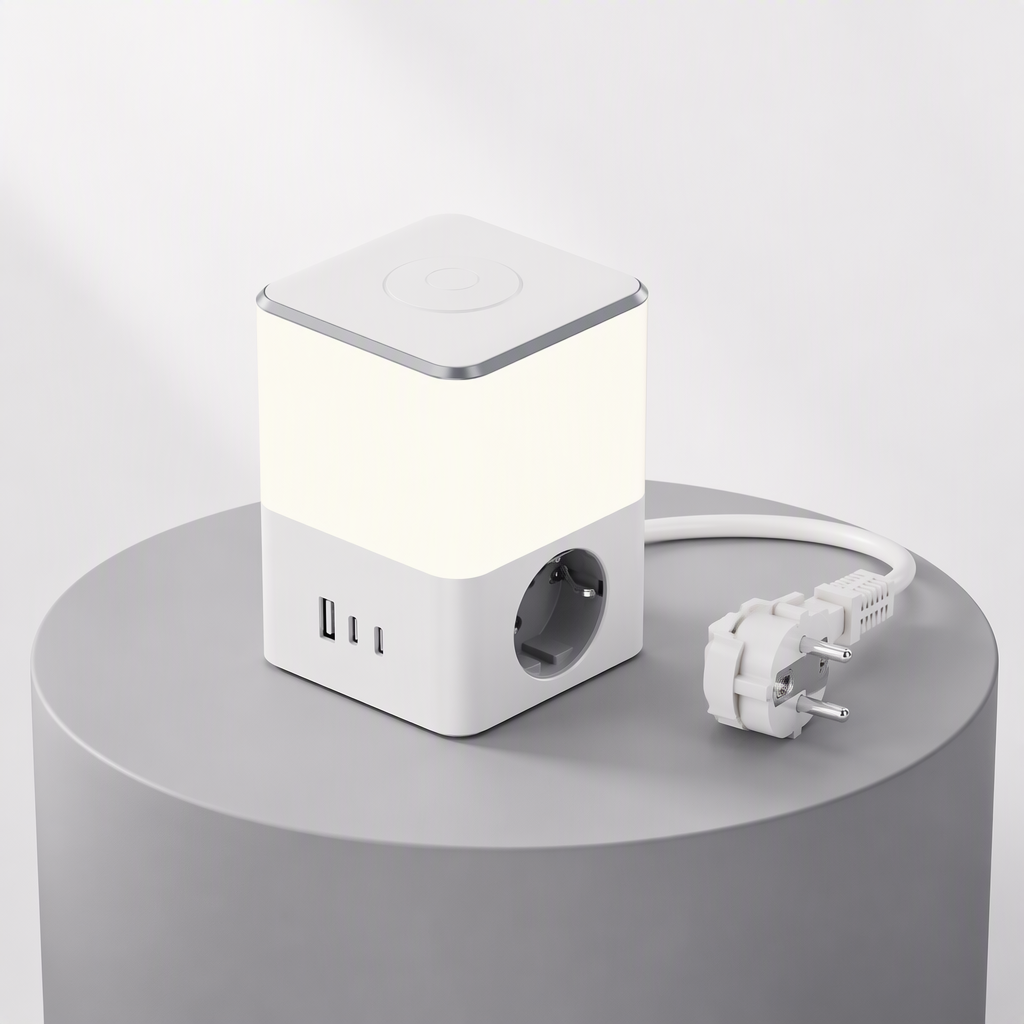
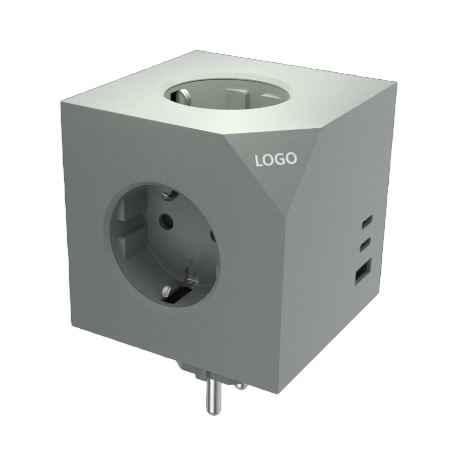
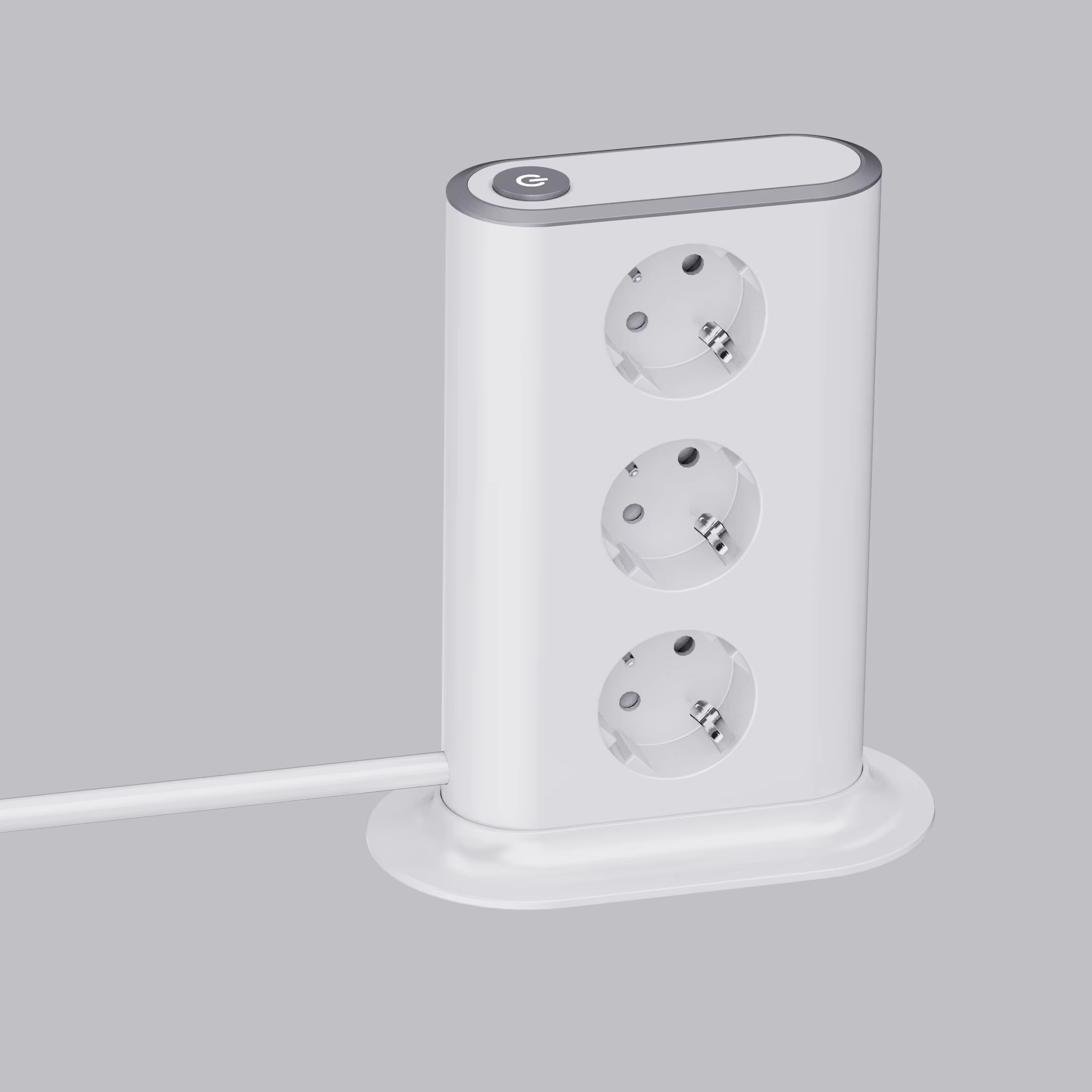
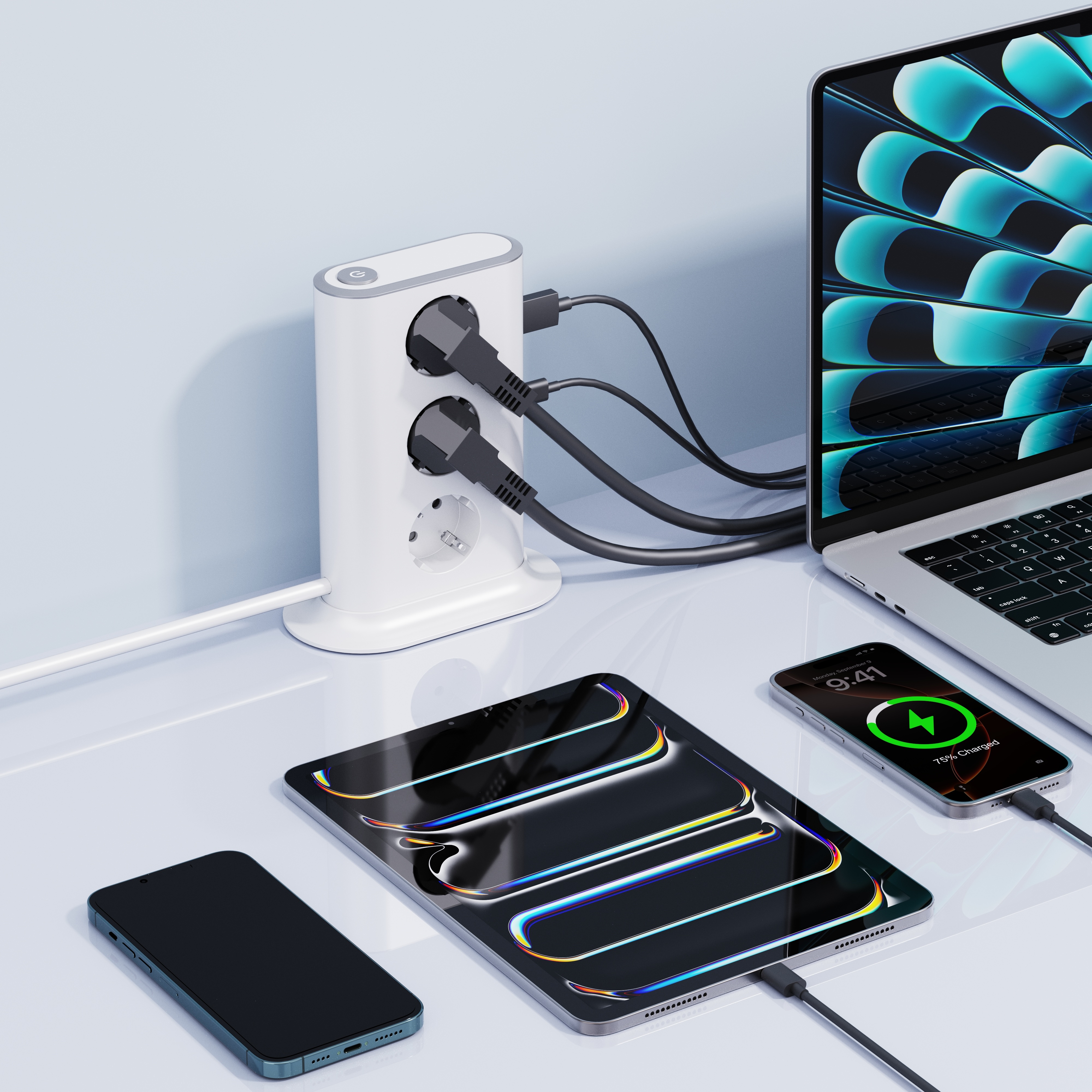
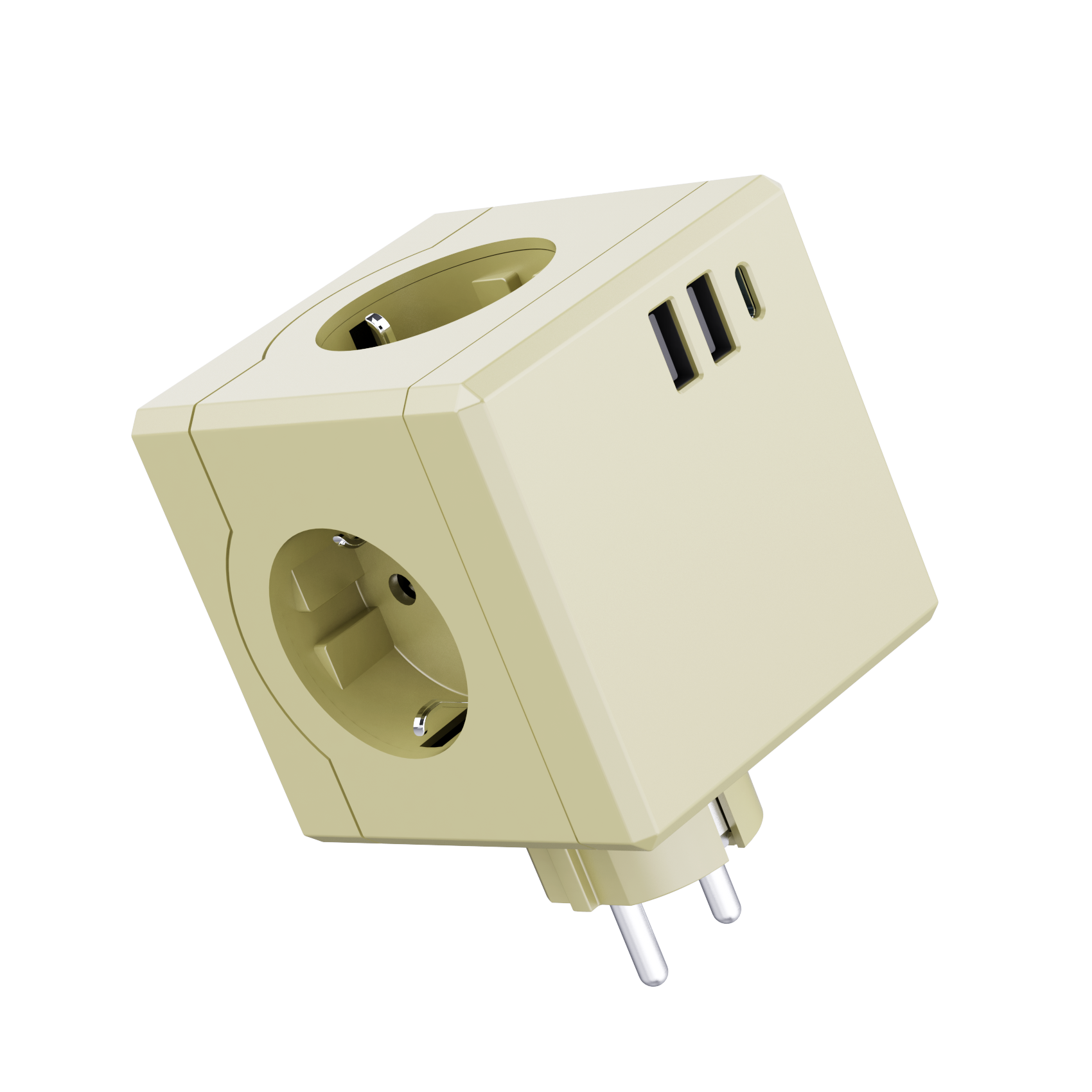
Featured CE Certified Power Strips with Switch
Precision-molded, dual-pole disconnected, and high-dielectric tested European & universal socket assemblies built to DIN VDE 0620-2-1, NF C 61-314, and EN 62368-1 standards.
3-Way AC Distribution2x USB-A + 1x USB-CMulti-Color Housings4000W Overvoltage Resist
5,200m²
Integrated Factory Area
100%
Hi-Pot Dielectric Tested
200 PCS
Flexible Private Label MOQ
TÜV
On-Site Audited (Oct 2025)
Engineering White Paper Chapter 01
Anatomy of a CE-Compliant Power Strip with Mechanical Switch: Safety Under LVD & EMC Directives
When professional European importers, commercial electrical contractors, and private label consumer brands source power distribution assemblies from China, the designation "CE Certified" must represent verified conformity rather than a superficial stamping. Under the mandatory European Union legal framework—principally governed by the Low Voltage Directive (LVD) 2014/35/EU, the Electromagnetic Compatibility Directive (EMC) 2014/30/EU, and the RoHS Directive 2011/65/EU (amended by 2015/863)—an extension lead with an integrated circuit breaker or on/off rocker switch undergoes stringent physical, thermal, and electrical evaluations.
At Ningbo Sykra Technology Co., Ltd., every power strip variant is engineered starting from the internal conductor topography. Traditional, low-cost assembly methods rely heavily on point-to-point flexible wire soldering between individual socket receptacles. Under continuous nominal 16A / 250V~ loads (delivering 3,680W at 230V or up to 4,000W at 250V), manual soldered joints present variable contact resistance, which exponentially accelerates thermal buildup, causing local overheating, insulation degradation, and eventual contact oxidation. To eliminate these thermal bottleneck failures, Sykra integrates stamped phosphor bronze continuous alloy busbars (CuSn6 / H62 series brass alloys with a copper purity exceeding 65%). This one-piece stamped busbar architecture preserves uniform electrical conductivity, prevents cold-soldering failures, and guarantees that contact resistance stays well within international threshold limits across thousands of insertion cycles.
Furthermore, the mechanical switch mechanism constitutes the primary failure vector in inferior power strips. European standards (including DIN VDE 0620-2-1 for Germany and NF C 61-314 for France and Belgium) mandate that any inline control switch must provide double-pole disconnection (2-pole breaking both Live and Neutral conductors simultaneously) with a physical contact gap of no less than 3.0 mm. This prevents floating neutral potentials and secondary leakage shock risks when appliances remain plugged in while switched "off". Sykra switches are fitted with silver-nickel (AgNi) contact rivets that resist electrical arcing, micro-welding, and contact pitting during high-inrush capacitive loads (such as switching switch-mode laptop power bricks, LED drivers, and refrigeration compressors).
Double-Pole Breaking Action
Unlike budget single-pole switches that leave neutral or reversed-polarity lines energized, Sykra double-break switches isolate both phase legs concurrently, achieving complete circuit isolation and zero stray leakage.
Flame-Retardant Polymer (UL94-V0)
Constructed with virgin Polycarbonate (PC) and flame-retardant ABS compounds. Passes the rigorous IEC 60695-2-11 Glow-Wire Flammability Test at 750°C for general housings and 850°C for parts retaining current-carrying components.
Spring-Loaded Child Shutters
Every AC receptacle features an automatic dual-sliding safety gate. Single-pole insertion attempts with screwdrivers, paperclips, or fingers are mechanically locked until equal, simultaneous pin pressure occurs.
Sykra Manufacturing Competence
Inside Ningbo Sykra Technology: An Audited 5,200m² Dedicated Facility
Supply chain security begins with vertical integration. Operating in Ningbo, Zhejiang—directly adjacent to the Ningbo-Zhoushan Port, the world's busiest container seaport—Ningbo Sykra Technology Co., Ltd. manages an end-to-end manufacturing campus with 57 verified on-site personnel. Unlike pure trading companies that outsource assembly across fragmented workshops, our facility controls all critical production nodes under ISO-standard workflow protocols.
Our manufacturing cycle starts with automated robotic injection molding units utilizing precision steel tooling designed in-house. Internal electrical connection assemblies undergo automated ultrasonic copper welding and semi-automated conductor crimping. Model ratings, CE / GS marking, batch serial numbers, and client branding are etched using computerized laser marking machines, ensuring indelible legibility that complies with standard rub-resistance testing (IEC 60884-1 water and petroleum spirit wipe checks).
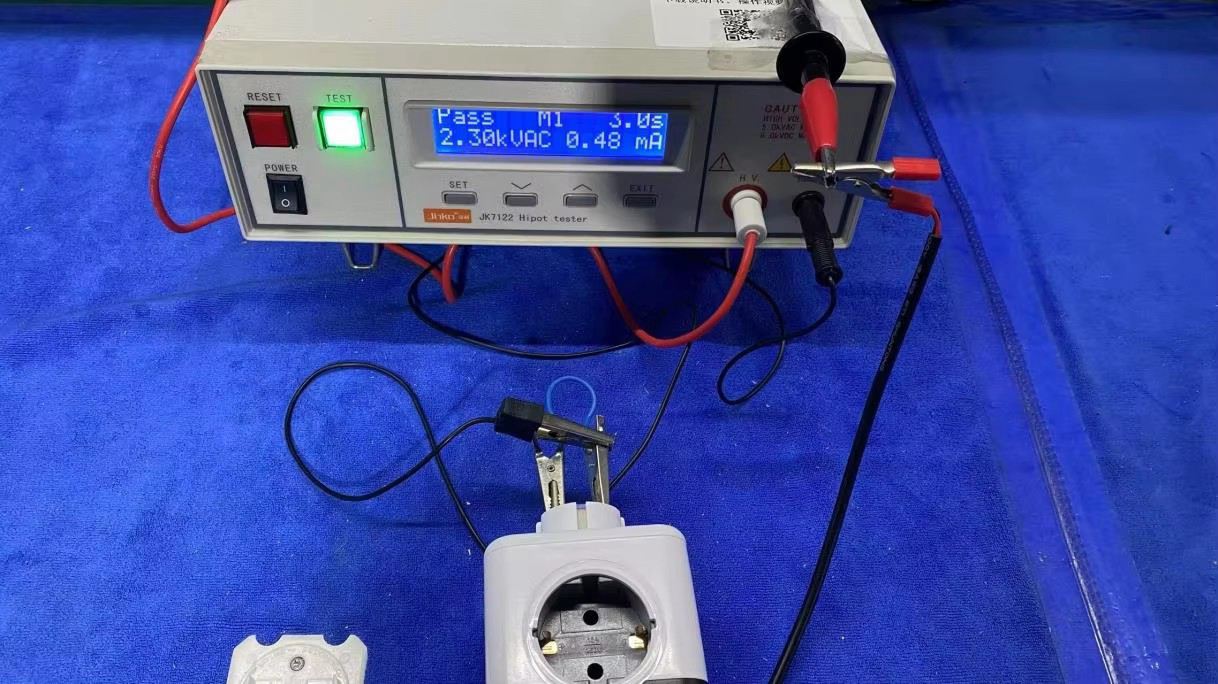
High-Voltage Dielectric TesterConducts 3,750V AC insulation tests between primary circuits and user-accessible external touch surfaces.
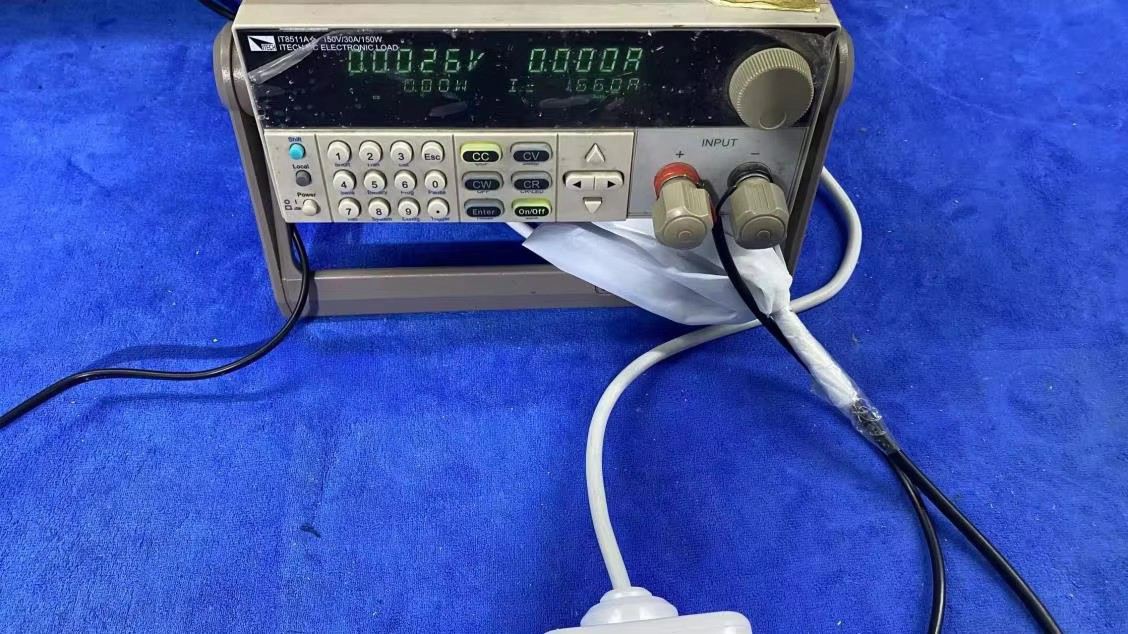
Full-Load Thermal ChamberValidates temperature rise (Delta T < 45K) across phosphor bronze contacts under 16A continuous current.
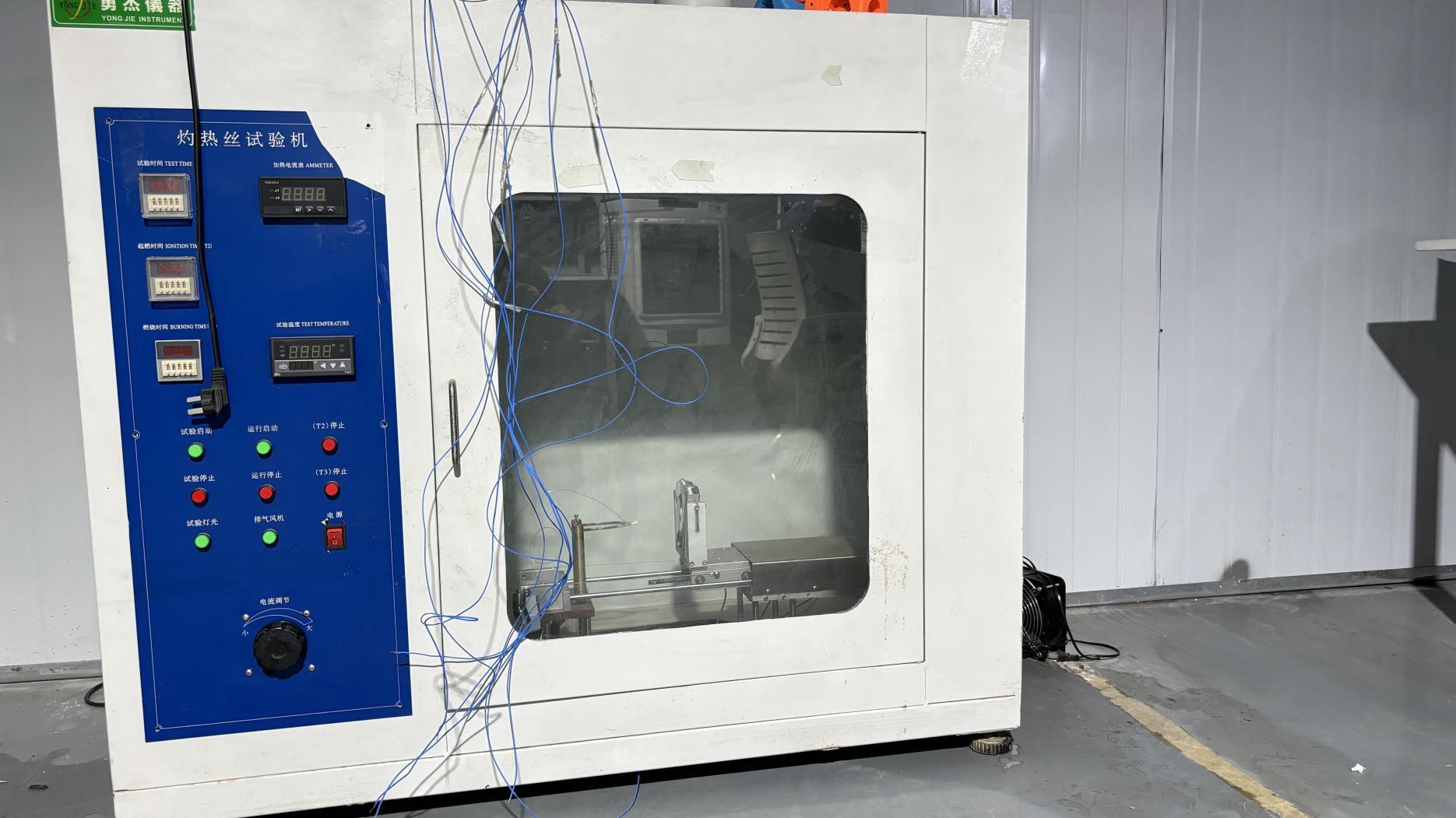
750°C / 850°C Glow-Wire TesterSimulates thermal stresses and self-extinguishes within 30 seconds without ignited flaming drops.
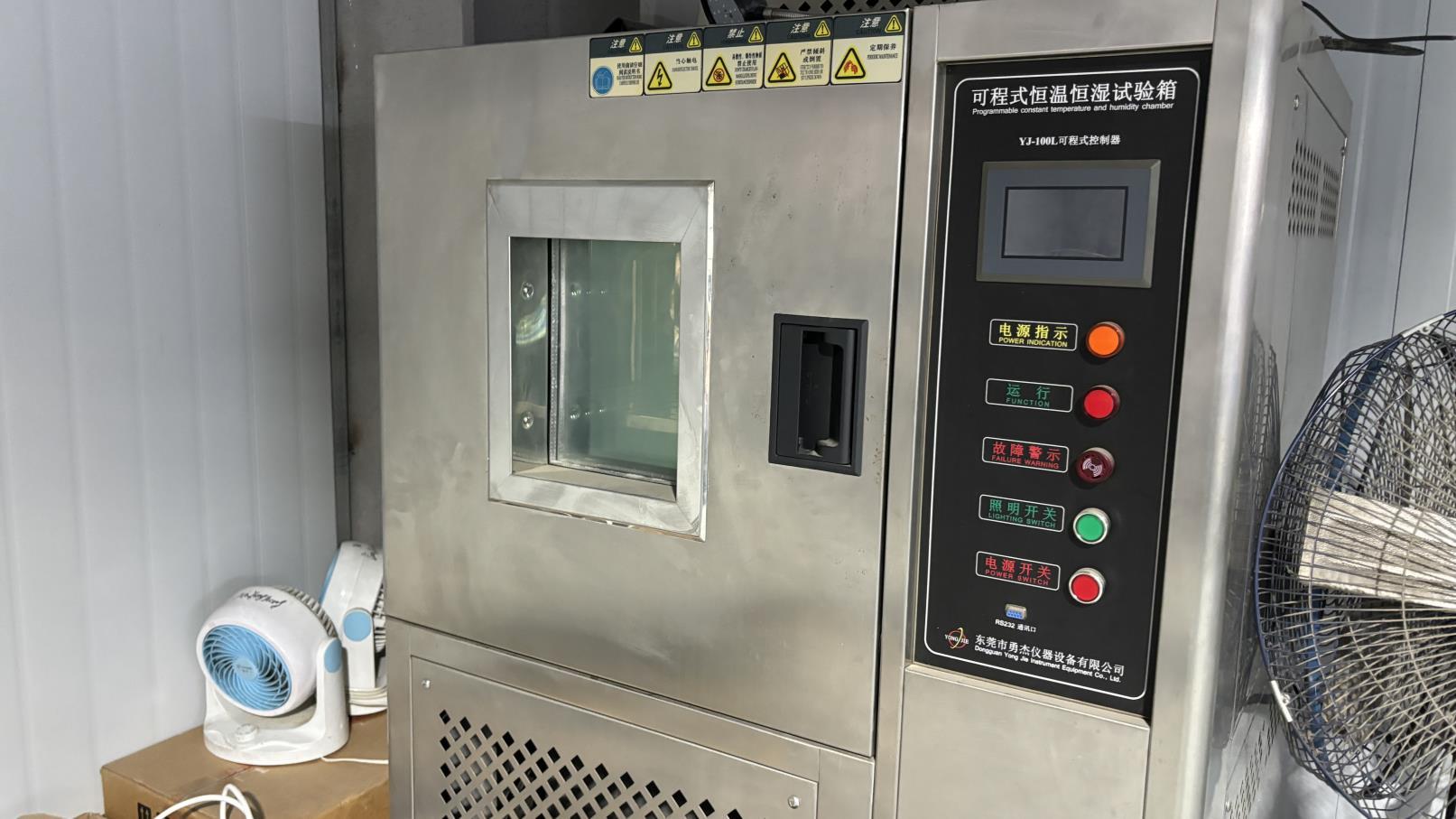
Climate Simulation ChamberAccelerates 40°C / 93% RH environmental aging to detect switch oxidation and plastic embrittlement.
Market Forecasting Chapter 02
Future Procurement Trends in European Power Distribution (2026–2030)
The international power strip and commercial electrical accessories market is undergoing structural shifts driven by regulatory tightening, consumer electronics convergence, and supply chain ESG compliance. Category managers and procurement heads should align their sourcing roadmaps with four critical industry movements:
01
GaN III Fast Charging Convergence
European Union Common Charger Directive (EU 2022/2380) mandates standardized USB Type-C charging. Buyers are shifting from bulky external charging wall plugs to power strips equipped with integrated Gallium Nitride (GaN) modules supporting USB Power Delivery (PD 20W, PD 25W, up to PD 67W). This enables laptops and smartphones to charge directly from the desk lead without auxiliary adapters.
02
Low Standby & Eco-Design Disconnection
Rising electricity costs in Western and Northern Europe have heightened consumer demand for individual receptacle switches and low-profile zero-draw master switch strips. Eliminating phantom standby current ("vampire power") from home office workstations, gaming rigs, and entertainment clusters is becoming an essential marketing differentiator on major European e-commerce channels.
03
Modular Architectural Form Factors
The conventional 3-meter straight plastic bar is yielding market share to 3-dimensional geometries: vertical power towers, magnetic-mount cubes, 180° swivel arm extenders, and pop-up furniture sockets. These configurations solve practical clearance challenges caused by oversized transformer wall plugs while dramatically shrinking desk footprints.
In addition, European buyers must navigate evolving ERP (Eco-design for Energy-Related Products) directives and supply-chain due diligence laws (CSDDD). Selecting a manufacturer with audited chemical traceability (RoHS Directive compliance without exemptions, halogen-free internal wire lead options, and fully recyclable plastic resins) safeguards brand owners from costly product recalls and port-of-entry customs seizures by European national surveillance authorities such as the Bundesnetzagentur in Germany or the DGCCRF in France.
Procurement Benchmark Matrix
B2B Technical Sourcing Checklist: CE Certified Switch Power Strips
Prior to issuing Requests for Quotation (RFQs) or confirming purchase contracts, buyers should evaluate supplier specifications against the standardized engineering benchmarks outlined below:
Evaluation Parameter
Tier-1 Factory Standard (Sykra Spec)
Common Low-Cost Market Shortcut
Compliance Risk / Failure Mode
Switch Breaking Mode
Double-Pole (L + N Disconnect) 2-pole rocker or electronic touch isolation
Single-pole breaking (only breaks live conductor)
Leaves device energized if polarity reversed; fails ProdSG German safety audit.
H05VV-F 3G1.5 mm² 100% pure annealed copper cores (VDE approved)
Copper-clad aluminum (CCA) or undersized 3G0.75 mm²
Excessive voltage drop; cord overheating; jacket melting at 16A peak appliance draw.
USB DC Power Stage
Isolated Flyback Topology Complies with EN 62368-1 & EN 55032 Class B EMC
Non-isolated budget circuits without EMI chokes
High-voltage AC leakage to USB connector; audible coil whine; electromagnetic interference.
Professional Inquiry Knowledge Base
Frequently Asked Questions in B2B Power Strip Procurement
Authoritative technical, regulatory, and logistics answers compiled by Sykra’s senior electrical export engineers.
What is the explicit difference between a CE mark and a GS mark on power strips?
The CE marking is a mandatory manufacturer declaration of conformity confirming compliance with applicable European directives (such as LVD 2014/35/EU, EMC 2014/30/EU, and RoHS 2011/65/EU). It is legally required for trade within the European Economic Area (EEA). In contrast, the GS (Geprüfte Sicherheit) mark is a voluntary, highly respected German safety certification issued exclusively by accredited independent testing bodies (such as TÜV Rheinland). It verifies compliance with the German Product Safety Act (ProdSG), involving mandatory factory production control audits, strict periodic surveillance, and catastrophic overload testing. Sykra manufactures both CE self-declared and GS third-party certified socket lines.
Can Schuko power strips with switches be legally sold in France, Belgium, or Poland?
Germany, Austria, the Netherlands, and Spain utilize the CEE 7/3 (Type F Schuko) socket system with side earth-grounding clips. France, Belgium, Poland, the Czech Republic, and Slovakia mandate the CEE 7/5 (Type E) standard, which utilizes a projecting male grounding pin. To ensure universal compatibility across European borders, Sykra equips power strips with dual-compatibility plugs: the CEE 7/7 hybrid plug, featuring both side grounding clips and a female grounding receptacle hole. For the sockets themselves, Sykra manufactures dedicated French Type E tooling as well as German Schuko tooling to ensure 100% regulatory fit in each respective national retail market.
What minimum order quantities (MOQ) and lead times apply for custom OEM/ODM orders?
Recognizing the importance of inventory agility for Amazon sellers and specialty regional brands, Sykra maintains an exceptionally low starting MOQ of just 200 pieces per model on standard housing colors with client logo pad-printing or laser engraving. For fully customized pantone injection colors or custom blister/color-box packaging, the MOQ is 500 to 1,000 units. For full ODM development involving custom tooling (new outer geometries, rotating hinges, or proprietary PCB charging arrays), typical tooling lead time is 35–45 days, followed by 25–30 days for mass production after sample sign-off.
How does Sykra guarantee electromagnetic compatibility (EMC) on power strips with USB ports?
Integrating high-frequency switch-mode power supply (SMPS) modules alongside 230V AC conductors presents potential electrical noise issues. Low-quality USB charging sockets emit conducted and radiated electromagnetic emissions that disrupt Wi-Fi routers, smart speakers, or laptop trackpads. Sykra’s engineering team incorporates high-permeability ferrite common-mode chokes, Class-X2 suppression capacitors, and full copper foil shielding around the USB PCB. Every production batch is screened on internal spectrum test equipment and verified to surpass EN 55032 Class B emission and EN 55035 immunity criteria.
Why is the rated power of European power strips stated as either 3,680W or 4,000W?
In standard European residential electrical networks, the nominal grid voltage is standardized at 230V AC (±10%) at 50Hz. With standard European circuit breakers and wall outlets rated at a maximum continuous current of 16 Amperes, the nominal operating limit is 230V × 16A = 3,680 Watts. However, the maximum insulation test and dielectric voltage standard rating for the components is 250V AC. At 250V × 16A, the theoretical ceiling is 4,000 Watts. Sykra labels its products with clear dual ratings (16A 250V~, Max 3680W) to ensure accurate compliance with both national electrical codes and consumer safety guidelines.
What quality documentation accompanies export shipments for customs clearance?
To prevent customs delays at major entry ports like Rotterdam, Hamburg, Antwerp, or Le Havre, Sykra provides a comprehensive export documentation package with every shipment. This includes the legal EU Declaration of Conformity (DoC) signed by our engineering director, third-party laboratory test reports (covering LVD, EMC, and RoHS 10-substance compliance), factory batch test inspection certificates (verifying 100% dielectric withstand and ground continuity), and compliant outer shipping carton labeling with mandatory EAN barcodes, WEEE bin symbols, and CE identification marks.
Partner with an Audited CE Power Strip Manufacturer
Whether you are expanding a retail brand line, upgrading home office power accessories with high-speed USB-C PD capabilities, or seeking an audited direct supplier in Ningbo to replace unstable trading intermediaries, Sykra’s engineering team is ready to evaluate your specification checklist.